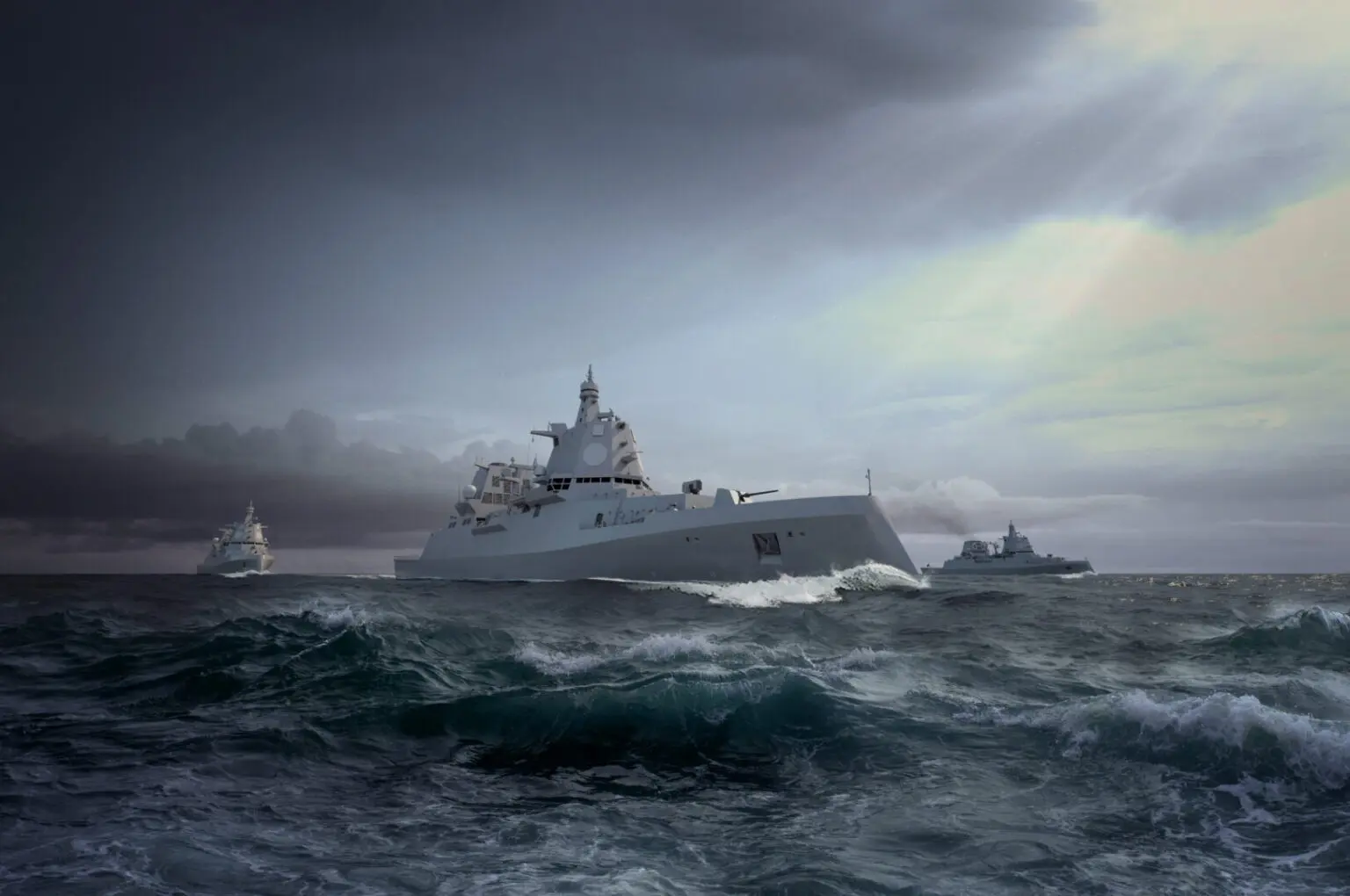
Expenditures in the double-digit billion-euro range associated with the procurement of eight F127 air defence frigates now trigger concerns among the other German service branches that their own projects could be sacrificed.
By Waldemar Geiger / hartpunkt – translation by Naval News
Media reports repeatedly circulated claims that a single ship of this new class could cost around five billion euros. However, according to the lead construction shipyard, TKMS, the claimed figure is too high.
The debate over other projects being crowded out by the F127 demonstrates that, despite the exemption of defence spending from the constitutional “debt brake” budget threshold, spending on all procurement projects planned under the Bundeswehr’s growth plan is not supported by unlimited funding. Planners, armament officials, and budget authorities must reportedly now set priorities and determine towards which projects, and at what scale, the available funds should be directed.
In the case of the F127—which is intended for Ballistic Missile Defence and is therefore slated to receive state-of-the-art US technology such as the SPY-6 radar and the Aegis combat management system—the risk of this program displacing funding on other projects appears to be less severe than initially suggested. Sources familiar with the matter told hartpunkt that an acquisition of all eight ships in their original configuration is reportedly off the table. Reportedly the effort already faces a significant amount of pressure to produce savings in order to reduce overall cost. Whether other procurement projects could nevertheless be adversely affected remains not entirely clear at this point.
Within the F127 procurement program, observers currently identify two basic choices for proceeding with the effort: The first option would be to not compromise on the specification itself, but rather purchase fewer frigates. An alternative would be to stick to an acquisition of eight frigates, but reduce capabilities of the design. This could imply a different radar-suite, reduced magazine depth for missile ordnance, or reduced endurance and availability. If this seconbd path is indeed taken, it will be interesting to see whether the project will be realized within the existing industrial team or whether alternative industrial arrangements are chosen.
This article by Waldemar Geiger was originally published in German language at hartpunkt.de. It has been translated and republished with authorization.