The Middle East continues to navigate a complex and evolving security landscape, and the list of threats seems to grow by the day. From safeguarding critical maritime routes to countering advanced aerial incursions, the need for a cost-effective, versatile, and interoperable platform has never been greater. Enter the MQ-9B SeaGuardian®: a game-changing unmanned aircraft system (UAS) from General Atomics Aeronautical Systems, Inc. (GA-ASI).
Sponsored content by:

Nations as diverse and far-flung as Japan, Canada, Belgium, Poland, the UK, and India have made MQ-9B an integral part of their security strategy, and last year Qatar announced it was seeking to buy eight of the aircraft.
The reasons are clear: MQ-9B has unmatched endurance, multi-mission flexibility, and a proven operational pedigree. With more than 30 hours of endurance in certain configurations, the SeaGuardian is now the global “gold standard” for uncrewed Intelligence, Surveillance, and Reconnaissance (ISR) missions.
And it just keeps getting better.
GA-ASI announced last year that it had teamed with Saab to create an Airborne Early Warning and Control (AEW&C) capability for SeaGuardian and its land-focused counterpart, SkyGuardian®.
With the addition of an AEW&C capability, the SeaGuardian is a serious asset for responsible nations looking to protect their interests and defend their borders.
Addressing Regional Security Challenges
The Middle East faces a variety of security challenges, including the protection of vital trade routes, monitoring expansive and busy maritime territories, and countering increasingly sophisticated aerial incursions.
High-end threats such as stealthy cruise missiles and fast-moving fighter aircraft are becoming more prevalent, while low-cost drones and coordinated swarms present a different but equally dangerous challenge. Traditional defense systems often struggle to address both ends of this spectrum effectively.
The MQ-9B SeaGuardian with AEW&C capability bridges this gap.
Equipped with Saab and GA-ASI’s advanced AEW&C mission package, the SeaGuardian will offer sensing over both sea and land unmatched on any UAS. This will enable operators to detect, track, and respond to threats ranging from high-altitude aircraft to low-flying drones.
The capability is particularly relevant for Middle Eastern nations, where the need for persistent surveillance and rapid response is critical. The SeaGuardian’s AEW&C package enhances situational awareness, enabling decision-makers to act decisively in the face of emerging threats. The package, set to be flown on the MQ-9B in 2026, is designed to provide affordable and accessible AEW capabilities to nations that may not have the need or the resources for traditional crewed AEW&C platforms.
Old-style airborne warning and control used large, multi-engine, airliner-derived aircraft with expensive, custom, built-in sensors. MQ-9B is a ready platform, adding proven sensors that can perform much faster than a traditional system and at less cost.
Fully interoperable with U.S. and coalition platforms, it also allows nations to extend the capability of crewed AEW assets in the region and put sensors forward in areas that may be too risky to send crewed assets.

“High- and low-tech air threats pose major challenges to global air forces,” said GA-ASI President David R. Alexander. “We’re developing an affordable AEW solution in cooperation with Saab, a leading provider of AEW&C systems, that will transform our customers’ operations against both sophisticated cruise missiles and simple but dangerous drone swarms.”
The MQ-9B SeaGuardian is already a proven performer in maritime operations, excelling in anti-submarine warfare, anti-surface warfare, and signals intelligence.
Its ability to seamlessly integrate with existing naval and air force assets makes it an ideal choice for Middle Eastern nations looking to strengthen their maritime security.
The Software Revolution
The MQ-9B SeaGuardian also comes with industry-leading ground control systems, powered by General Atomics’ advanced software environment, Quadratix, which unleashes the latest breakthroughs in computing technology, including autonomy, artificial intelligence, and machine learning. GA-ASI software synthesizes sensor data into a clear operational picture, providing operators with actionable intelligence and a highly intuitive user experience.
For MQ-9B, the software collects inputs from multiple sensors into a unified operational picture. In practice, this means that instead of each payload requiring its own specialist operator, a single SeaGuardian/SkyGuardian operator can manage an entire ISR sensor suite.
Operators can also fly multiple aircraft and reap the benefits of autonomy through advanced target correlation/machine learning. For example, they can program multiple aircraft to search designated areas and report back only when the aircraft has identified a target of interest — a military vehicle, a suspicious ship, or any number of developing potential threats. This means the human crews and operators at the ground station can focus on other things, or manage other aircraft searches, until the system alerts them to a target of interest.
The net effect of these changes is that users gain a clearer total operational picture, a streamlined experience between flight and sensor operations, and a more effective system that reduces their training burden and accommodates smaller crew sizes.
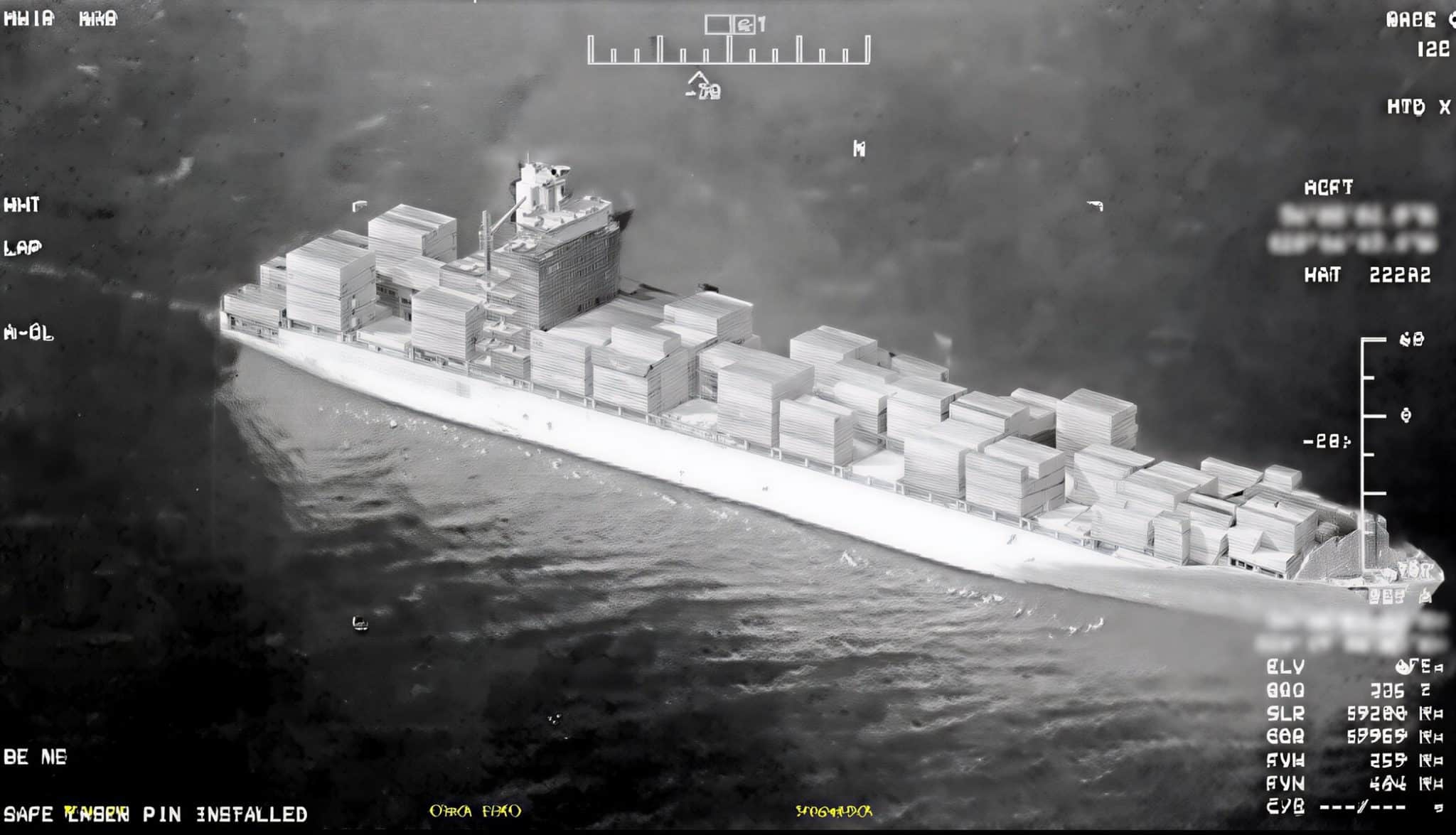
Combining unmatched ISR and AEW capabilities with endurance and a software suite that frees up manpower and reduces costs, the MQ-9B has emerged as the obvious choice for responsible powers around the globe.
SeaGuardian is opening the aperture of what is possible with uncrewed systems.