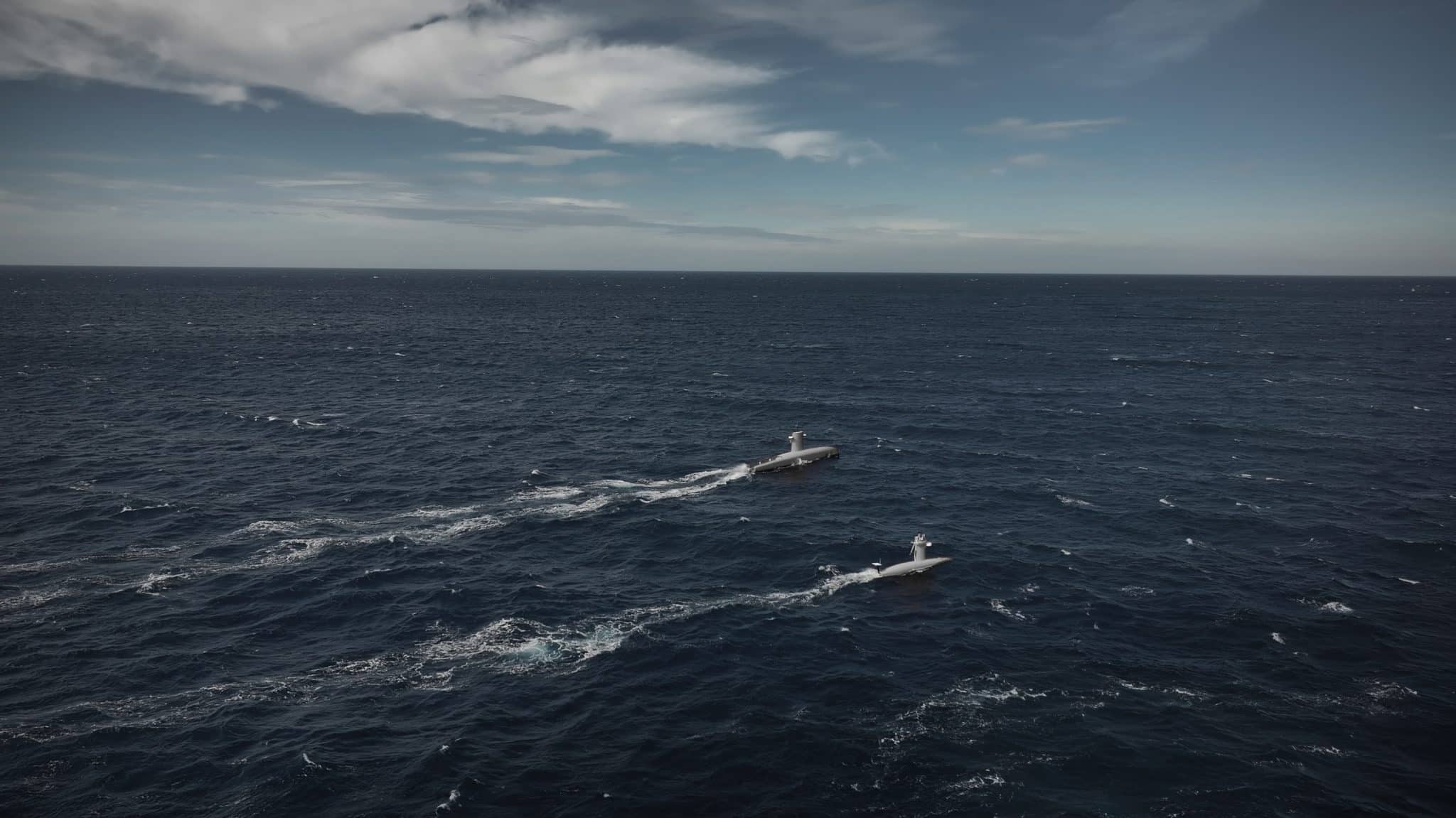
Exail introduced its Neptis uncrewed maritime surveillance system during the Euronaval press tour. Bringing together Oryx-family uncrewed surface vessels (USVs), mission-specific sensors and command-and-control software, the system can be configured for maritime surveillance, anti-submarine warfare and the protection of critical underwater infrastructure.
Exail describes Neptis as a “system of systems” designed to support persistent operations in maritime areas where access is restricted or the threat level is high. Oryx vessels carry sensors into the area of operations, while Neptis command-and-control software manages platform supervision and communications and presents collected information to operators. Relevant tracks and mission information can be shared with naval command authorities responsible for decisions and action.

The demonstrated capabilities were limited to platform supervision, tactical track visualisation, operator-led preliminary assessment and intelligence support. Mission planning, classification, advanced data fusion, decision support and interoperability with existing command systems are mentioned by the company as developments that can be tailored to customer requirements.
Neptis’ intelligence, surveillance and reconnaissance missions include monitoring sea lines of communication, strategic passages, ports and exclusive economic zone boundaries. Data from radar, electro-optical/infrared, Automatic Identification System and electronic warfare sensors can contribute to the surface picture and help identify unusual behaviour.
For anti-submarine warfare, Oryx vessels can be equipped with acoustic payloads suited to the mission. Options include the use of towed sensors and links with other underwater assets. Exail says this configuration can extend the acoustic sensor field and support early detection, while allowing crewed anti-submarine warfare units to conduct classification, tracking and response tasks.
The critical underwater infrastructure protection mission covers surveillance around subsea cables, pipelines, offshore energy installations and sensitive seabed infrastructure. Depending on the selected configuration, the system can combine a persistent surface presence with underwater sensing, anomaly detection and coordination with other uncrewed assets.
Other missions include protecting naval bases, anchorages and high-value vessels, as well as gathering environmental and tactical information before or during amphibious operations. Oryx vessels are also intended to detect and track low-altitude airborne threats and suspicious surface contacts, transmitting validated tracks to command-and-control and air-defence units.
The platform component of Neptis comprises three Oryx models. The compact Oryx H-8 is intended for rapid deployment, coastal surveillance and local force protection. It can be operated from suitable ships or shore facilities, and is described as having low logistical requirements.
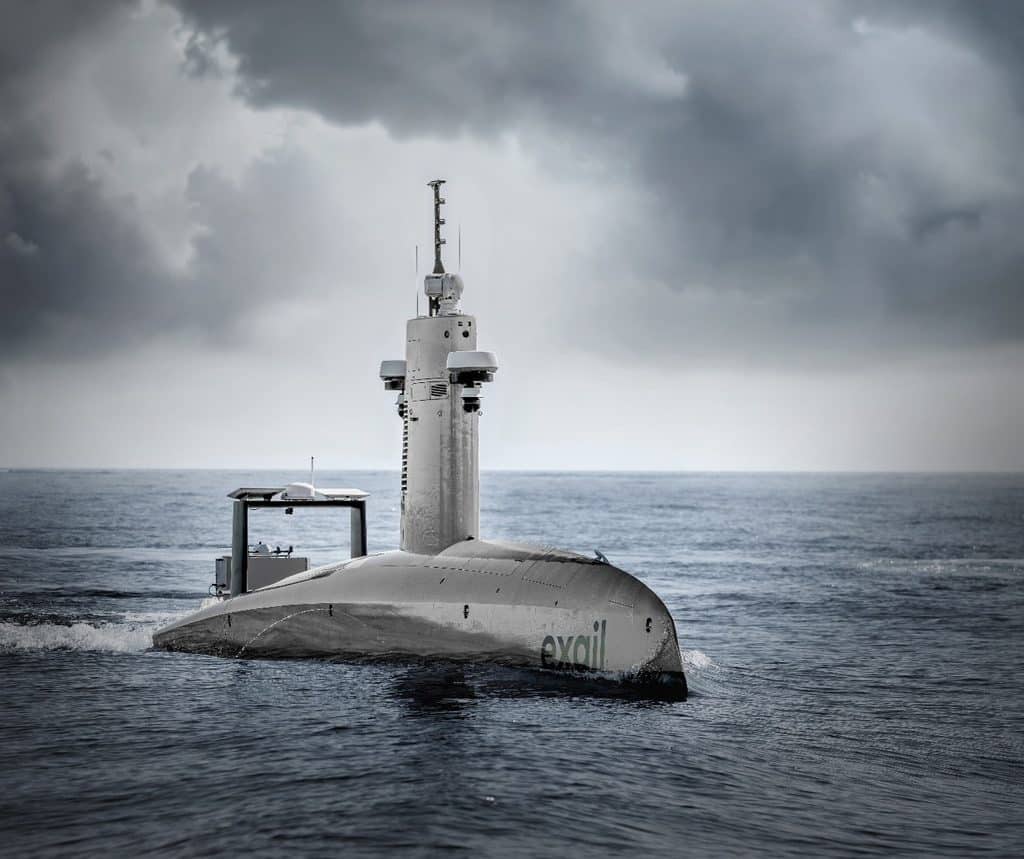
The mid-sized Oryx H-9 is designed for coastal and offshore surveillance and multi-sensor missions. The Oryx O-16 is intended for long-duration offshore operations, persistent surveillance and anti-submarine warfare. It can carry heavy mission payloads, including towed sonars and equipment for underwater assets.
The Oryx family draws on the naval architecture, hydrodynamics and autonomous-operation experience of Exail’s civil DriX platforms. The company says DriX vessels have participated in activities and exercises associated with the U.S. Navy’s Task Force 59 and 4th Fleet, NATO Task Force X, REPMUS and the French Navy.
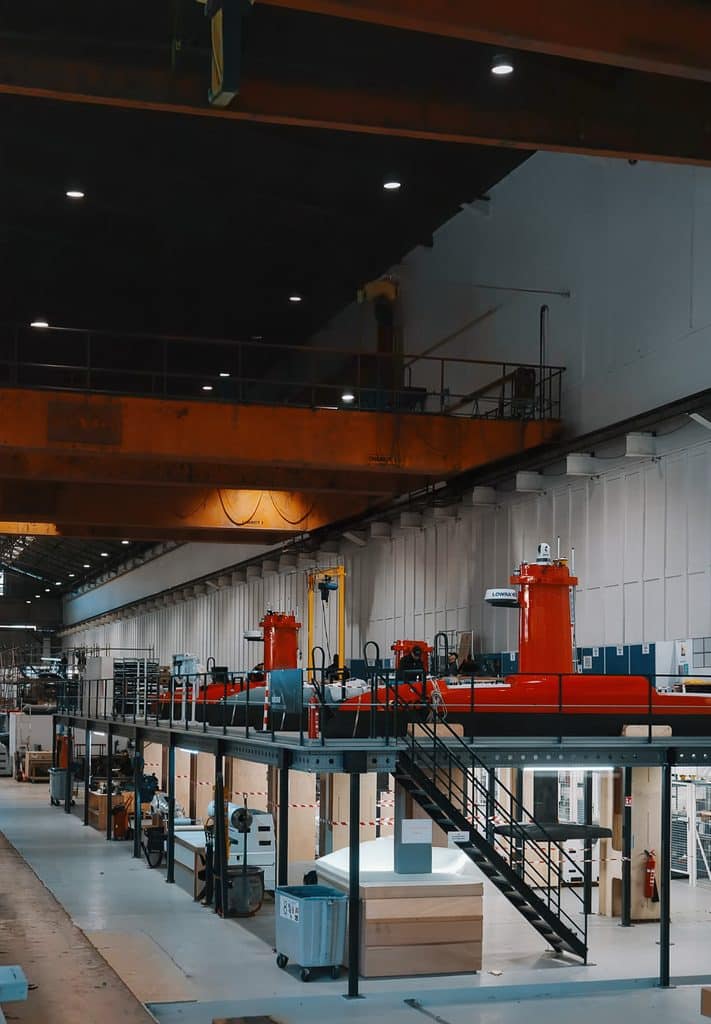
Neptis can be controlled from shore or from a ship. Its software is designed to retain human command for critical mission approval and retasking. Requirements for data processing, secure communications and integration with existing naval networks will be defined for each customer configuration. Exail also says it will open a new production facility in southern France to increase its USV manufacturing capacity.