PteroDynamics Inc., an innovator in autonomous vertical takeoff and landing (VTOL) aircraft systems, has been awarded a contract by the Royal Australian Navy (RAN) to supply Transwing VTOL unmanned aircraft systems (UAS) to support RAN’s autonomous maritime distributed logistics capabilities.
PteroDynamics press release
PteroDynamics will deliver P4 Transwing UAS aircraft, plus training and support, with the option for RAN to purchase larger P5 Transwing UAS systems for delivery starting in 2027. The competitive contract award comes on the heels of the successful April 2025 demonstration for Australian Defence Force (ADF) and RAN personnel of the P4 Transwing’s operational capabilities over land and water, examining endurance, speed, rate of climb, and ability to launch, transit, and recover payloads within confined areas. The contract extends PteroDynamics’ strategic relationship with RAN and is the company’s first international defense sale of Transwing VTOL UAS aircraft.
“With the growing strategic importance of the Indo-Pacific region and the trilateral AUKUS security partnership, Australia and the Royal Australian Navy have established a forwardlooking vision for the role of autonomous uncrewed platforms for logistics missions in maritime environments,” commented PteroDynamics CEO Matthew Graczyk. “PteroDynamics looks forward to continuing our close collaboration with RAN and ensuring our customer takes full advantage of the Transwing’s unique combination of VTOL and fixed-wing performance capabilities for a range of missions. We’re also grateful for the tremendous in-country support we received from the American Chamber of Commerce and the U.S. Commercial Service.”
“The Royal Australian Navy is pleased to acknowledge the significant progress made through our joint uncrewed aerial vehicle project with PteroDynamics,” said Commodore Catherine Rhodes, Director General Logistics, Royal Australian Navy. “This collaboration reflects the strong trust, technical expertise, and shared commitment that underpin our long-standing defence cooperation. By bringing together our collective strengths in advanced aerospace design, autonomous systems, and rigorous operational testing, we are advancing next-generation uncrewed capabilities that directly support the Integrated Force.”
U.S. Mission to Australia Chargée d’Affaires Erika Olson commented, “Autonomous uncrewed platforms are just one way our U.S. companies are taking the U.S.-Australia Alliance to new heights. We’re delighted that close collaboration between U.S. Commercial Service and PteroDynamics has resulted in this partnership with the Royal Australian Navy and lays the foundations for further success in coming years.”
“This contract reflects the strength of US-Australia defence and innovation collaboration and the growing momentum behind trusted partners working together in the Indo-Pacific,” said April Palmerlee, CEO of the American Chamber of Commerce in Australia. “AmCham is proud to have supported PteroDynamics’ engagement in Australia and to see advanced U.S.
autonomous technologies contributing to Australia’s sovereign defence capability and the Royal Australian Navy’s future-focused logistics vision.”
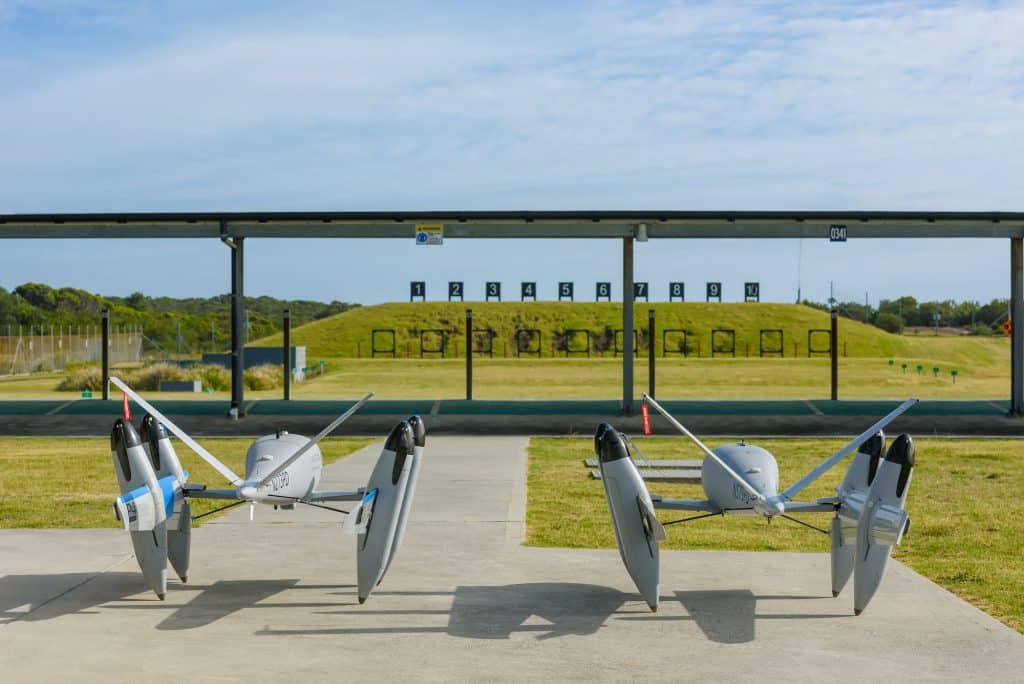
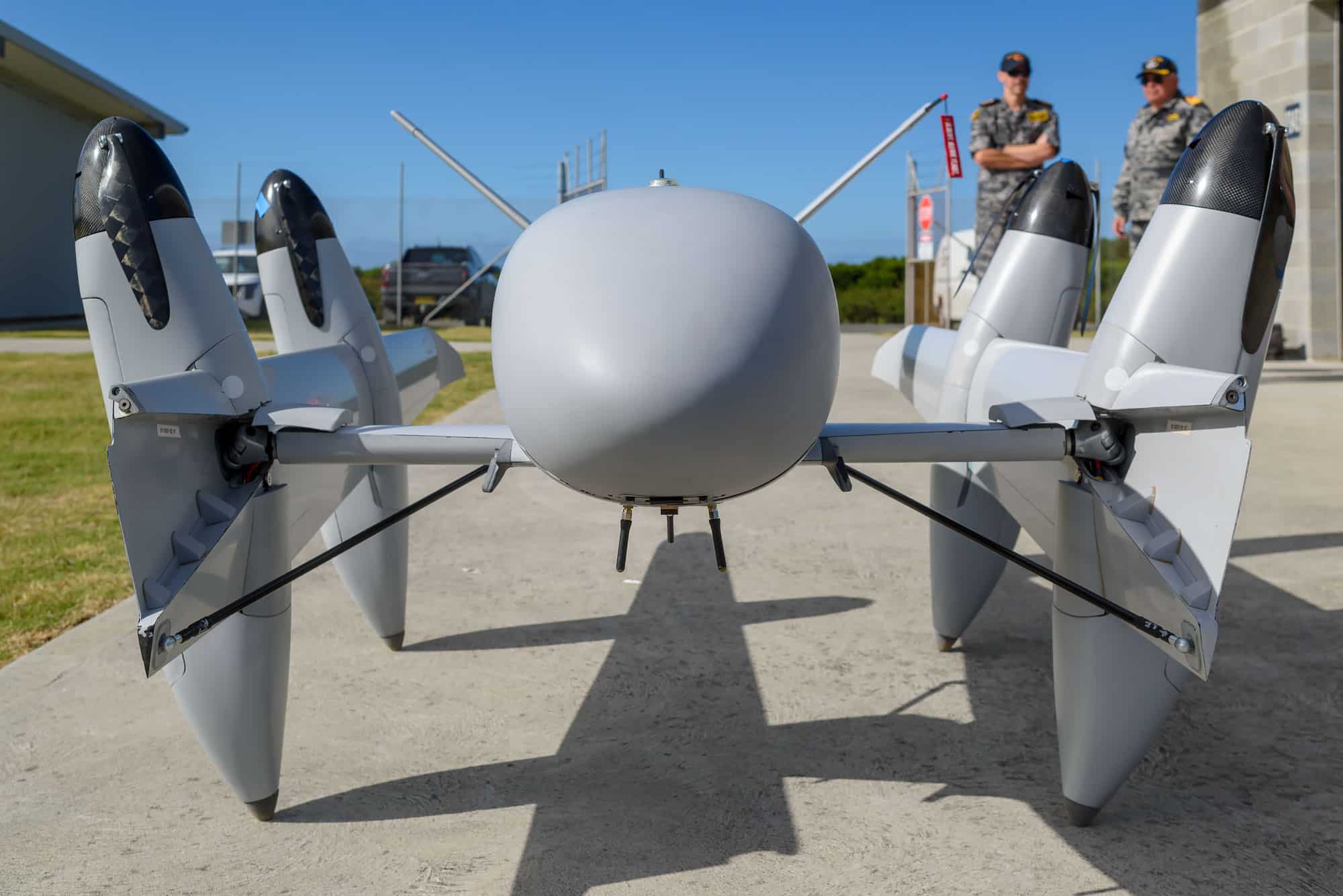
PteroDynamics’ Transwing is a revolutionary VTOL aircraft system that folds its wings to transition seamlessly between configurations optimized for vertical and winged horizontal flight. It delivers superior VTOL stability and gust tolerance, requires no launch and recovery infrastructure, and occupies one-third or less ground footprint than other VTOL aircraft with a comparable wingspan.
The contract calls for the delivery of Transwing P4 aircraft to RAN in the spring of 2026 and includes training and ongoing technical support. The P4 Transwing has a maximum take-off weight of 89 pounds (41 kg) with a maximum payload of 15 pounds (6.8 kg). RAN has the option to purchase larger autonomous P5 Transwing VTOL UAS systems for future delivery. The P5 Transwing will have a maximum take-off weight of 330 pounds (145 kg) and a range of over 400 nautical miles (740 km), carrying 50 pounds (23 kg) of payload at 70 knots (36 m/s).