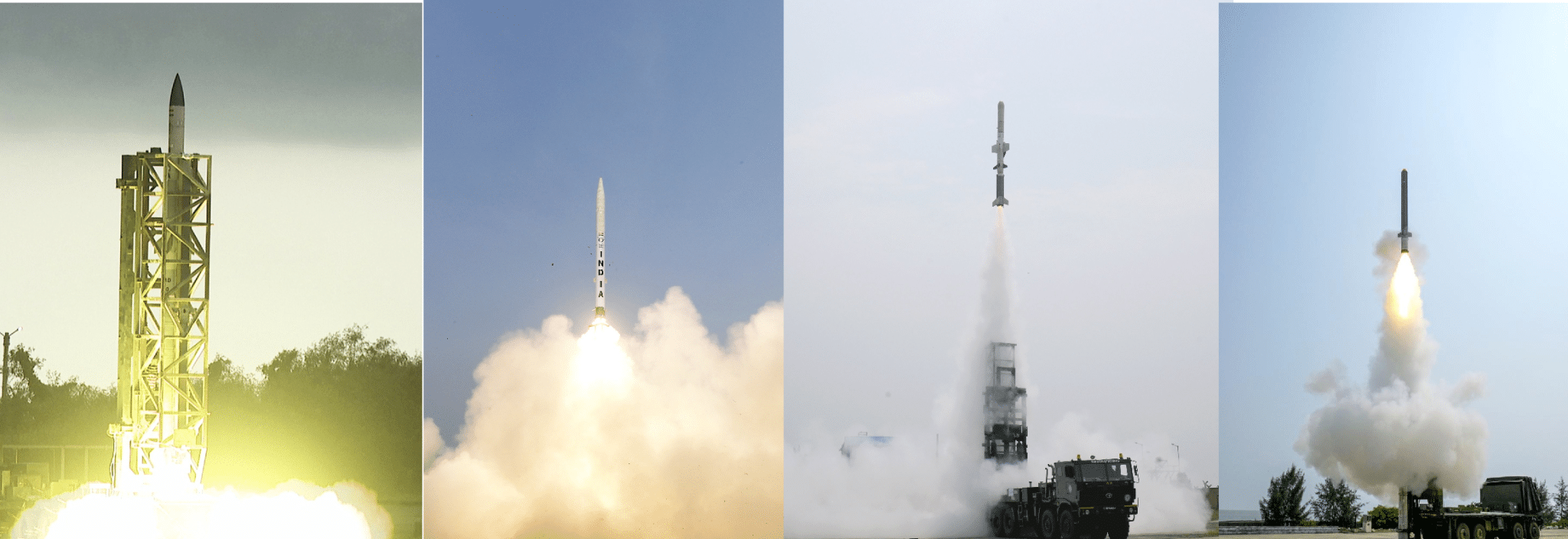
India ’s DRDO successfully demonstrated multi-layered BMD against long range ballistic missiles by testing AD-1 and AD-2 missiles, anti-ship capability at medium range by testing the NASM-MR and strike capability with the Rudram-2 and LRLACM missiles.
The three consecutive flight-tests were conducted for AD-1, AD-2 and NASM-MR on June 10 and 11, 2026. The BMD interceptors successfully engaged their respective targets and validated capability to intercept even ICBMs. AD-1 and AD-2 are part of India’s Phase-2 BMD program. AD-1 is an endo-atmospheric, short ranged missile while AD-2 is exo-atmospheric and has a longer range. Phase-3 of the BMD program has been initiated with the development of AD-AH and AD-AM missiles underway. These are expected counter hypersonic maneuvering and MIRV threats respectively. The Indian Navy can also be expected to be an eventual user of these BMD systems given the emergence of threats like the DF-26B. India had tested a Phase-1 endo-atmospheric BMD missile, named AAD, from INS Anvesh in 2023.
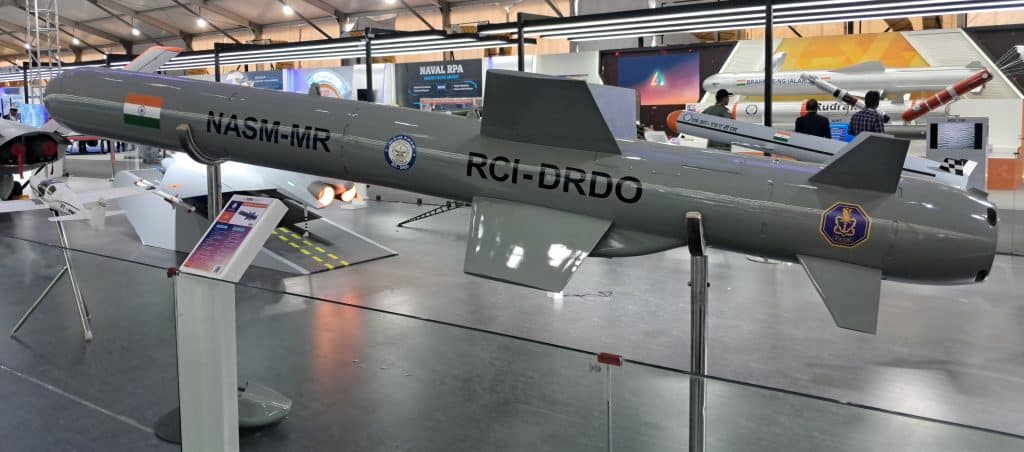
The maiden flight-test of the Naval Anti-Ship Missile-Medium Range (NASM-MR) was carried out successfully. NASM-MR has a range of about 300 km with midcourse INS +GPS guidance and a radar altimeter for sea-skimming. Terminal guidance utilizes an X band AESA RF seeker unlike the NASM-SR which uses an IIR seeker. NASM-MR is equipped with a two way datalink and a penetration-cum-blast warhead. The NASM-MR is expected to be powered by a DRDO ATGG turbofan engine during full scale production. However, initial testing was slated to utilize a Safran engine.
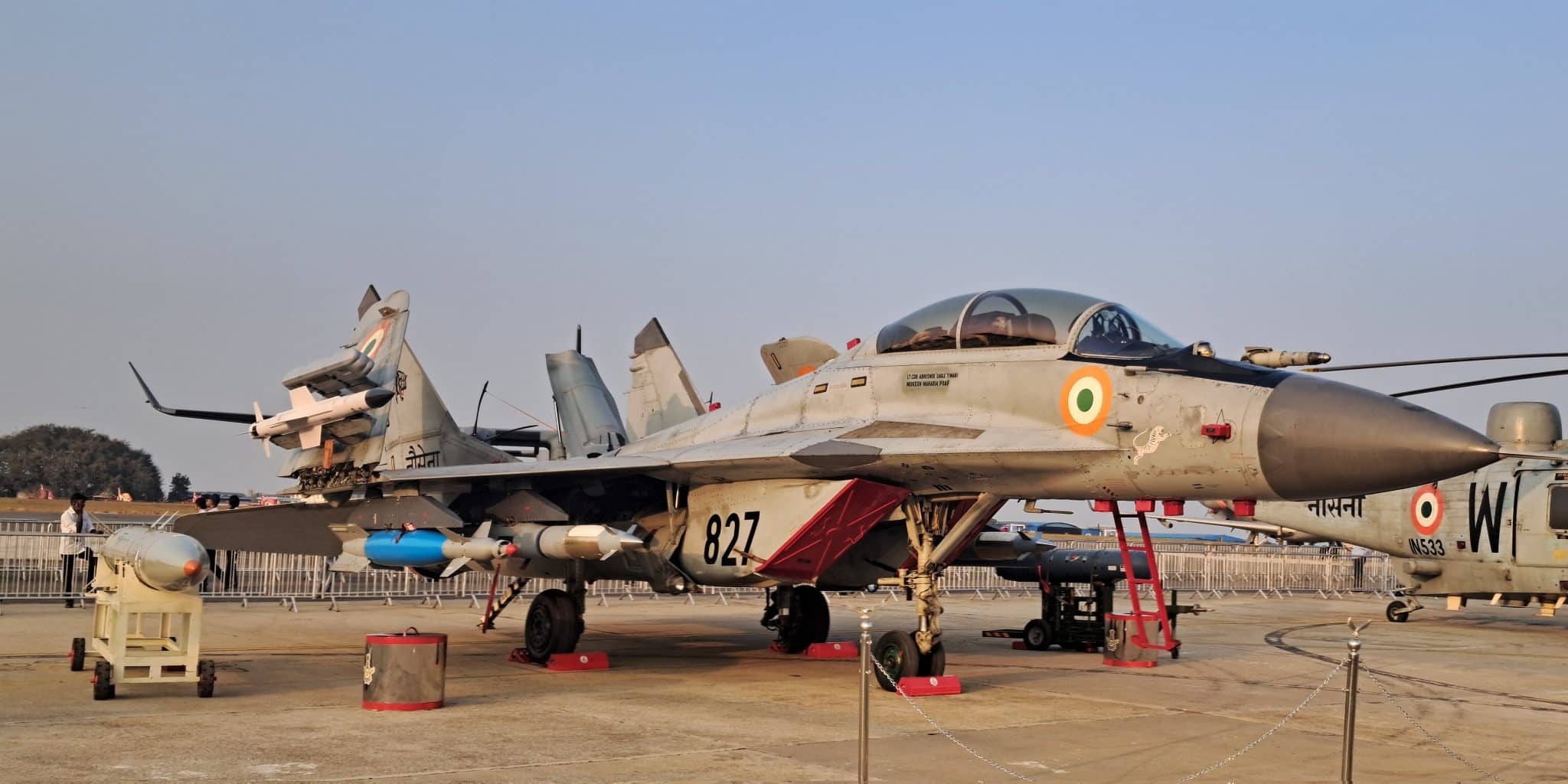
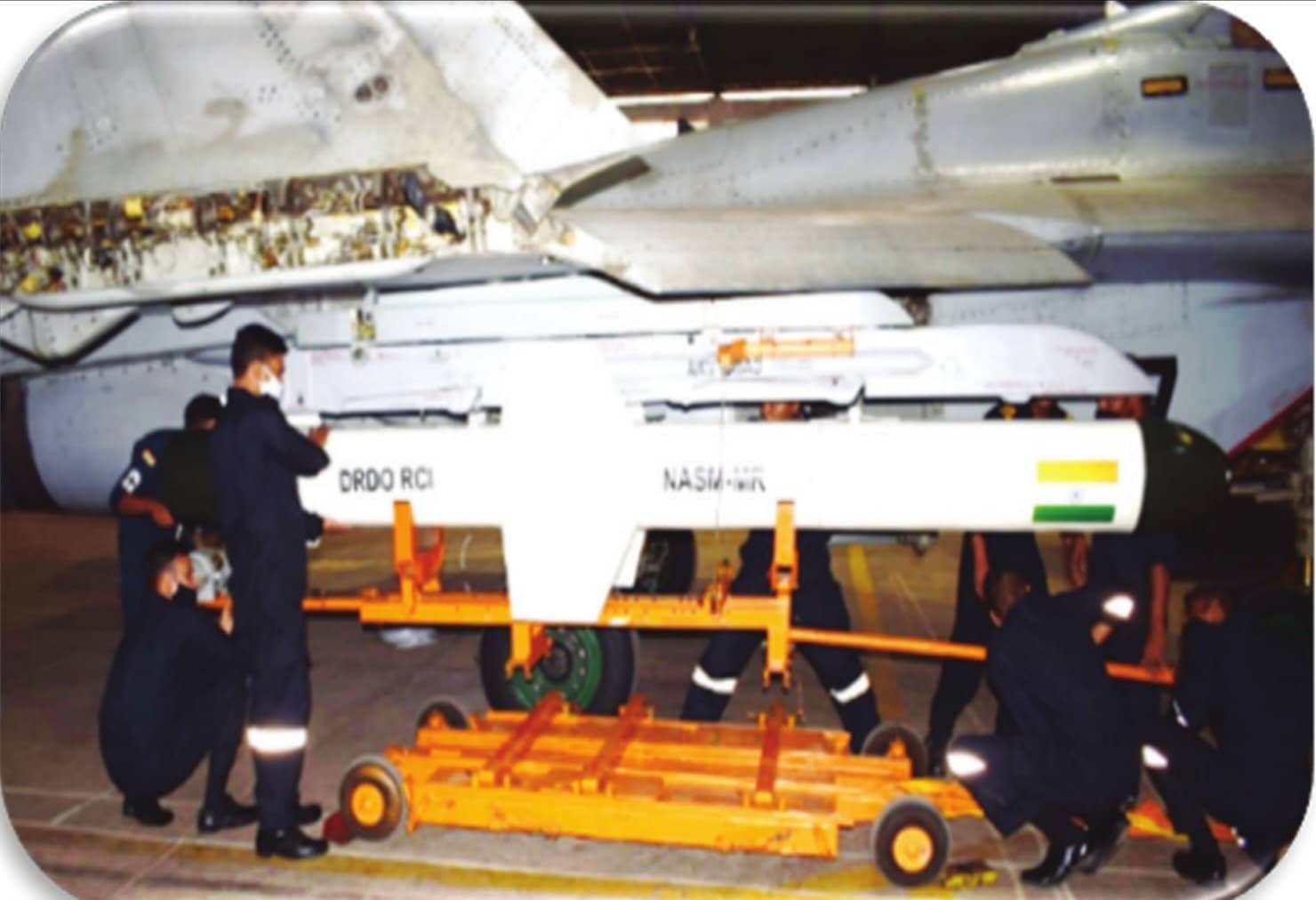
NASM-MR is originally an ‘Air to Ship’ weapon designed for the MiG-29K which can carry four such missiles and the project was officially cleared in 2023. Other aircraft are also expected to be integrated with the missile, like the Tejas Mk1A (which can carry up to five such missiles) and the C-295 MRMR. The maiden test however, was from an 8×8 Tata truck launcher. The ground launched variant features a large solid rocket booster and is expected to be offered as a product. A ship launched version is also expected as a Medium Range Anti-Ship Missile (MRAShM), 450 of which are expected to be procured for shipborne use. Another project for ‘Glidefire’ missiles is also in a similar class as NASM-MR.
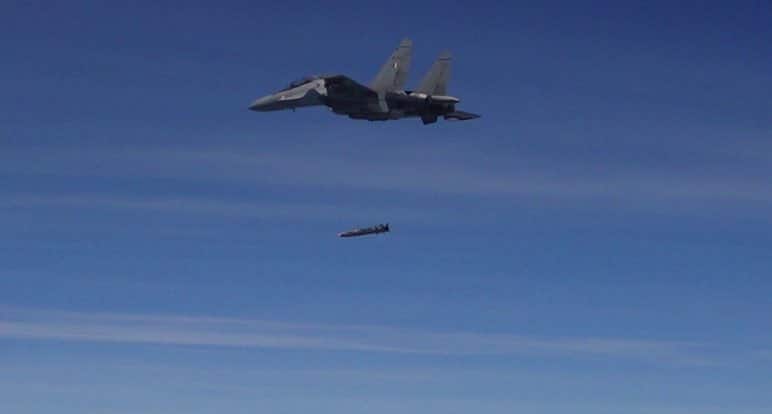
The MiG-29K is currently equipped with Rampage and Kh-35E missiles. In the future, NASM-MR and Rudram-2 missiles will also be integrated. The Rudram-2 was tested on June 2, 2026 from an IAF Su-30 MKI and is a 300 km ranged near hypersonic missile with RF and IIR seekers for anti-radar and ground attack. On June 15, the subsonic LRLACM was also tested. First tested in 2024, the missiles are expected to form an integral part of the Navy and IAF strike operations. LRLACM is powered by the DRDO STFE turbofan engine.