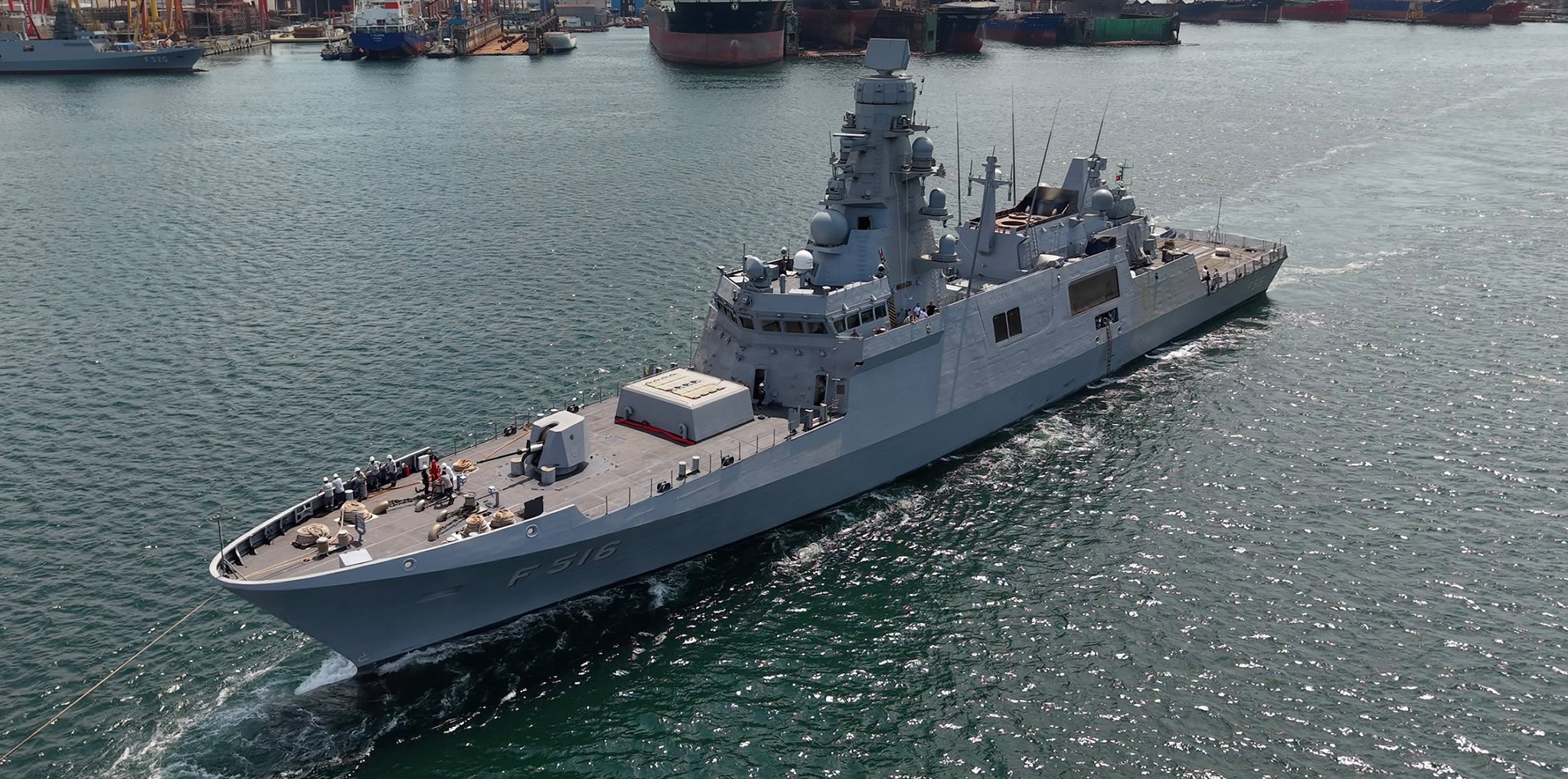
On August 26, 2026, Türkiye’s Anadolu Shipyard announced that the second ship of the I-class (Istif-class) frigates, the future TCG Izmir (F-516), has begun her first Sea Acceptance Trials (SAT)—featuring a visibly enlarged Vertical Launch System (VLS) configuration compared to lead ship TCG Istanbul.
According to a statement released by the Tuzla/Istanbul-based private shipbuilder, the frigate departed for her initial sea trials on 10 August 2026. TCG Izmir is the sixth vessel built under Türkiye’s MILGEM (National Ship) programme and the second of the four initial I-class frigates ordered for the Turkish Naval Forces. While the lead vessel, TCG Istanbul (F-515), was constructed at Istanbul Naval Shipyard, the remaining three sister ships are being built concurrently by private shipyards under a partnership between STM and the TAIS consortium.
The commencement of SAT marks the critical phase where the vessel transitions from harbour integration and dockside tests to dynamic trials at sea. During this period, the ship’s propulsion machinery, seaworthiness, platform management systems, navigation equipment, sensors, and indigenous combat systems will be evaluated under operational conditions. Anadolu Shipyard noted that the frigate has achieved a domestic systems rate exceeding 80 percent.
I-class VLS Configuration Difference
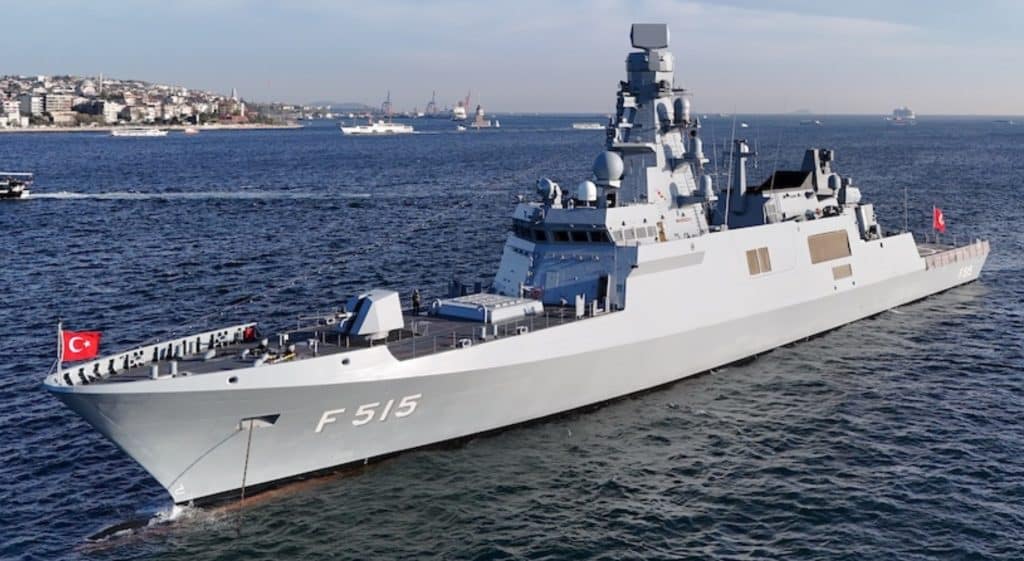
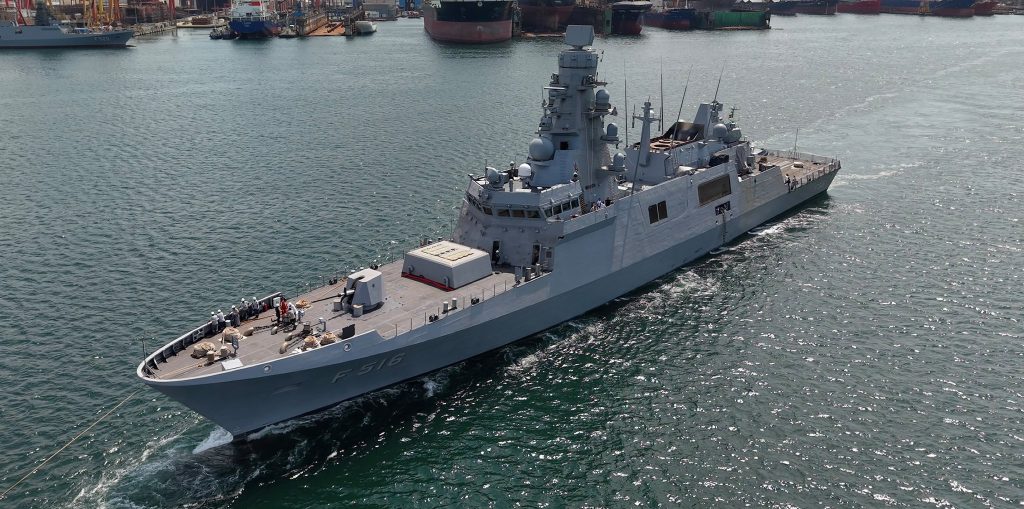
Photographs released during the departure for sea trials reveal a notable structural difference in the forward vertical launch system (VLS) compartment compared to the lead ship, TCG Istanbul.
While TCG Istanbul is fitted with a 16-cell tactical-length indigenous MIDLAS VLS configured primarily for the HİSAR-D RF surface-to-air missile family, the VLS section on TCG Izmir appears visibly larger and deeper. This modification is consistent with the strike-length configuration of the MIDLAS system. TCG Izmir retains a 16-cell count.
A strike-length VLS will provide the necessary volume to accommodate longer and larger missiles, including extended-range air defense interceptors such as the SİPER family, as well as vertically launched land-attack cruise missiles (LACMs) like GEZGİN or vertically launched ATMACA anti-ship missiles. Neither the shipyard nor the Defence Industry Agency (SSB) has yet released technical dimensions or officially confirmed the initial missile loadout for the enlarged installation.
About I-class Frigates

The I-class Frigate Program was launched to replace the aging YAVUZ-class (MEKO 200 Track I) frigates in Turkish Navy service. Developed under the MILGEM programme, the I-class represents an enlarged and upgraded evolution of the Ada-class anti-submarine corvette design, featuring a 50 percent increase in fuel capacity and extended operational endurance.
The frigates are designed to conduct multi-role missions, including surface warfare, sub-surface warfare, anti-air warfare, maritime surveillance, electronic warfare, and Exclusive Economic Zone (EEZ) protection.
Specifications:
- Length Overall: 113.2 meters
- Beam: 14.4 meters
- Draught: 4.05 meters
- Displacement: 3,000 tons
- Maximum Speed: 29+ knots
- Cruise Speed / Range: 14 knots / 5,700 nautical miles
- Main Propulsion: CODAG (2x diesel engines + 1x LM2500 gas turbine, 2 shafts with CPP)
- Combat Management System: HAVELSAN ADVENT
- Sensor Suite: ASELSAN CENK-S 3D AESA radar, ALPER-P LPI navigational radar, 2x AKR-D fire control radars, AHTAPOT electro-optical system, PİRİ infrared search and track (IRST), FERSAH hull-mounted sonar, and HIZIR torpedo countermeasures system
- Armament: 16-cell MIDLAS indigenous VLS, 16 (4×4) ATMACA anti-ship missiles, 1x 76 mm naval gun, 1x 35 mm ASELSAN GÖKDENİZ CIWS, 2x 25 mm ASELSAN STOP remote weapon stations, and 2×3 lightweight torpedo tubes (Mk-46 / Roketsan ORKA)