NATO moves to enhance CUI surveillance activity in Baltic Sea
NATO is enhancing its maritime vigilance activity in the Baltic Sea, building alliance military presence in the region with emphasis on monitoring critical undersea infrastructure (CUI).

Some vessels that are part of the Charles de Gaulle Carrier Strike Group (CSG) will call at Okinawa, Japan’s southernmost prefecture, between February and March 2025.
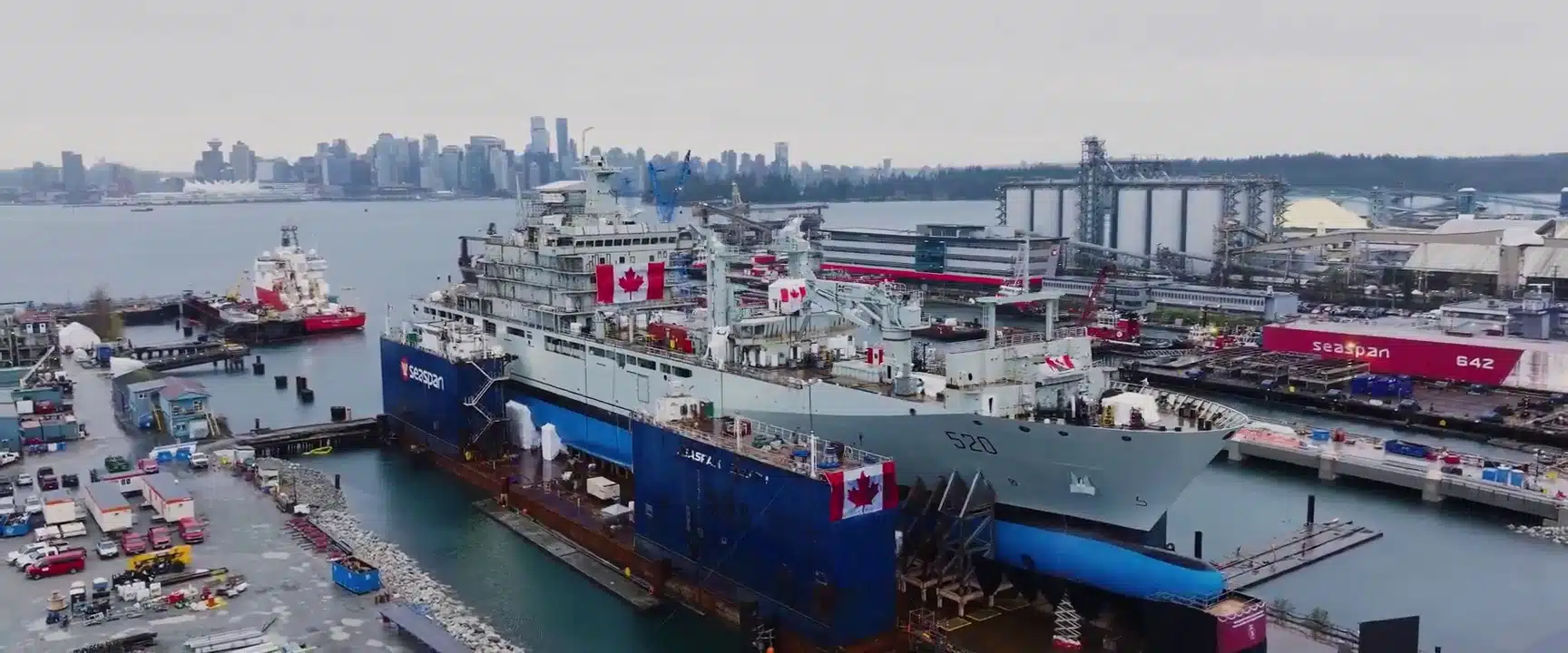
Canadian shipbuilder Seaspan christened and ceremonially launched ‘HMCS Protecteur’, the first in a new class of Auxiliary Oiler Replenishment (AOR) vessels…
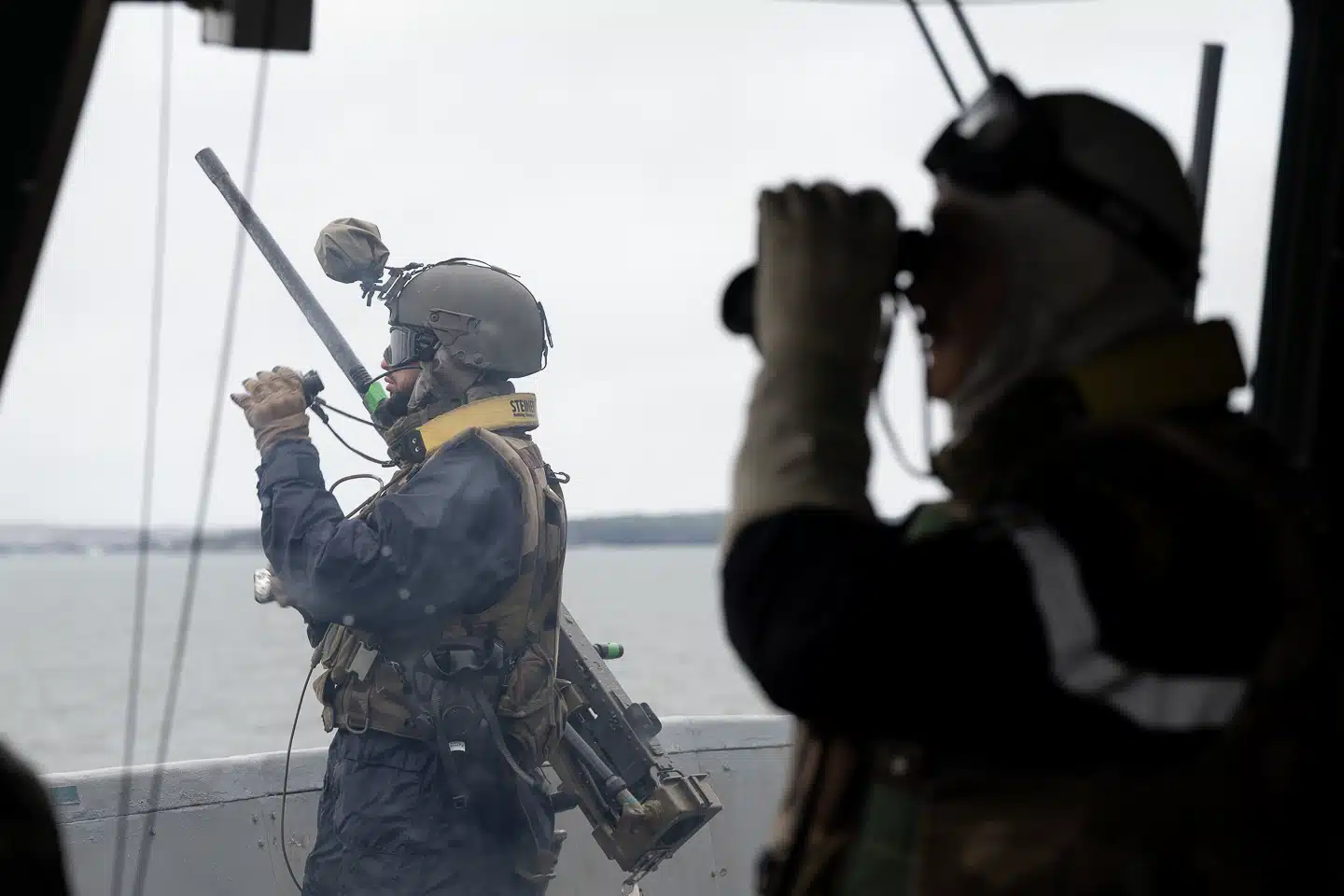
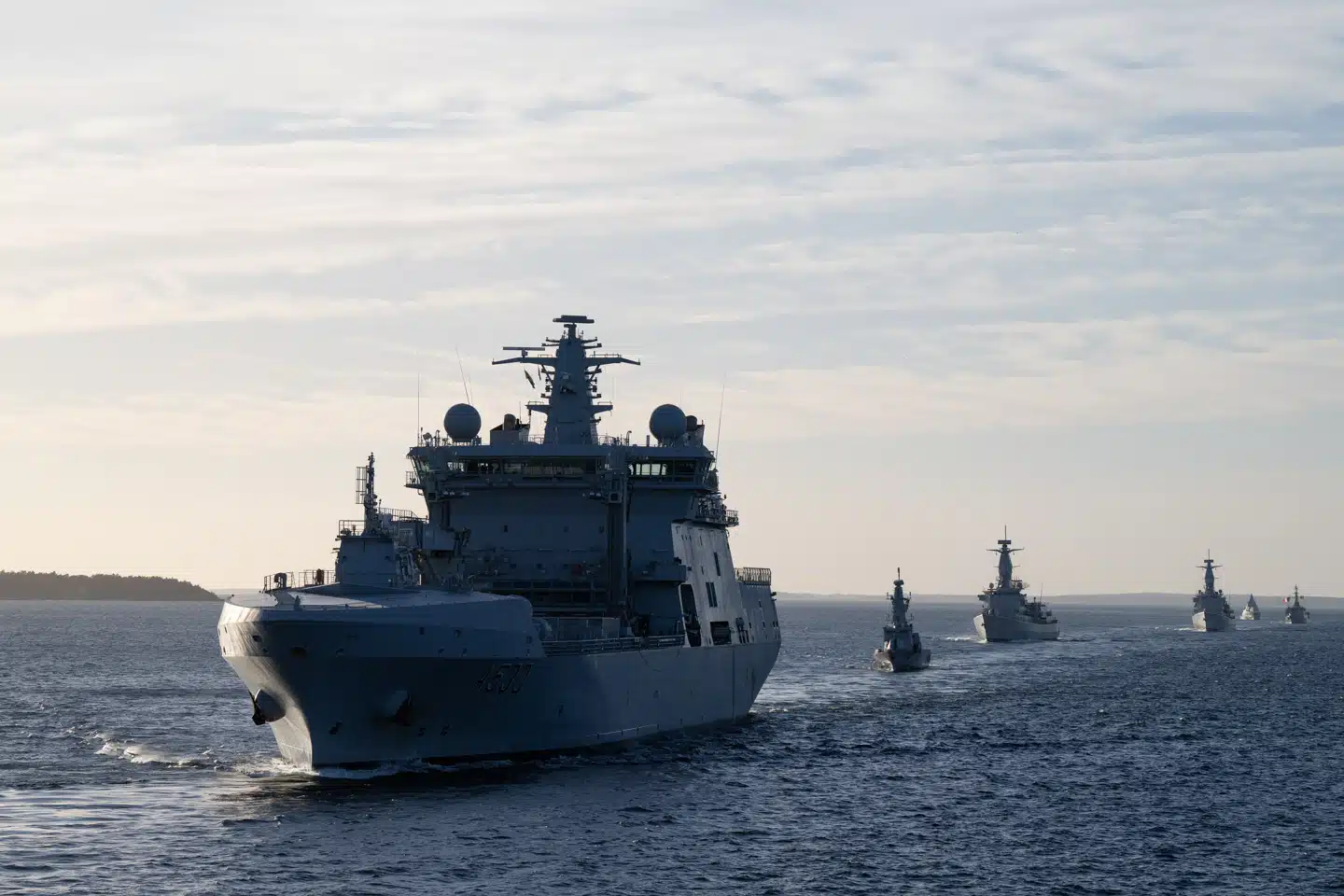
Two NATO task groups and 15 NATO navies are currently working together in the Baltic Sea on a Finnish Navy-led exercise designed to integrate high-level naval capabilities to build deterrence against enduring and emerging threats in the region. An emerging threat that is now enduring is the risk to critical underwater infrastructure (CUI) on the Baltic seabed.
German underwater robotics manufacturer Evo Logic used biomimetic design to create their new AUVs, Quadroin and Greyshark, which were displayed during the Euronaval exhibition.
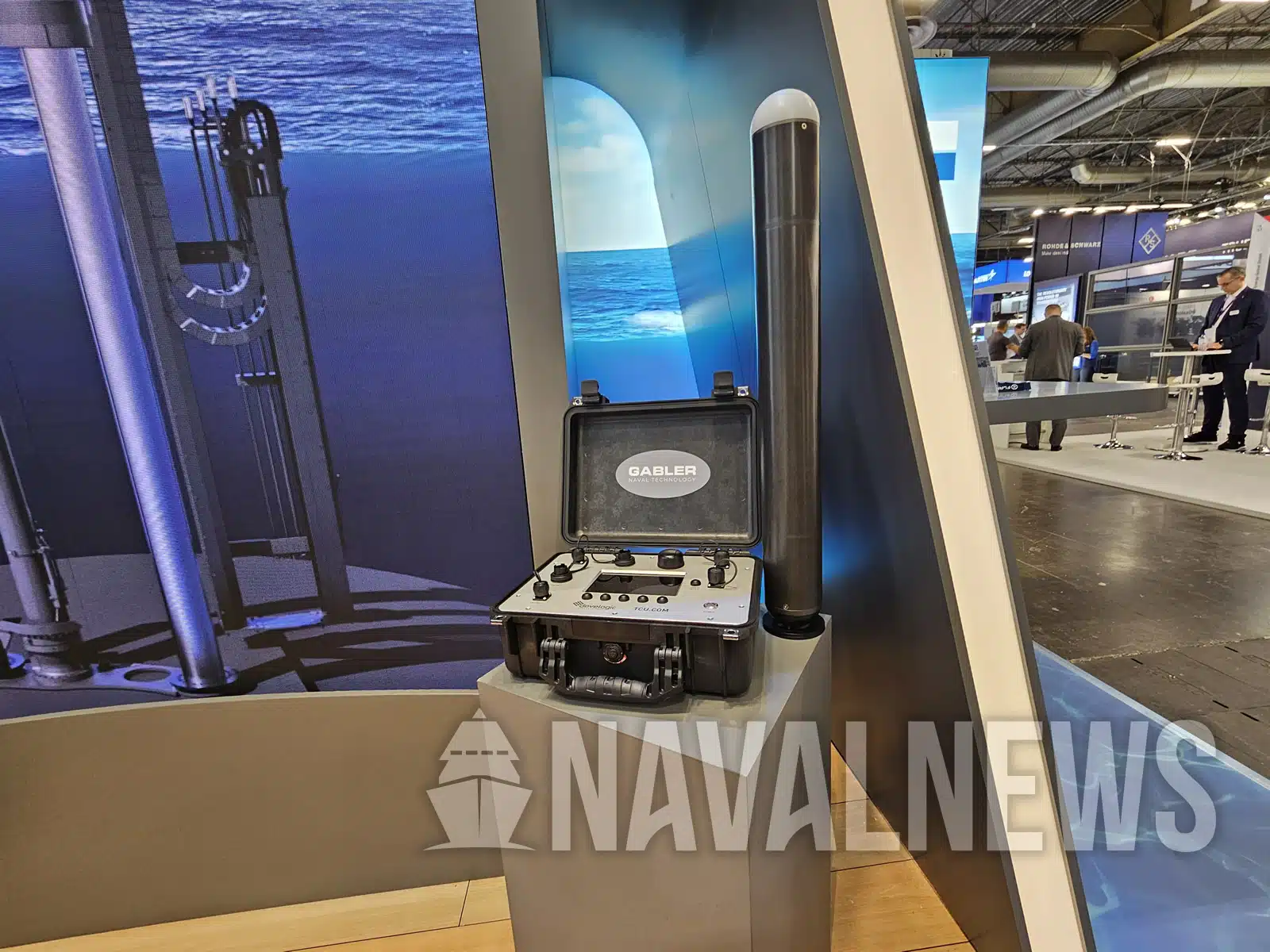
German company Gabler introduced an expendable communication buoy and an underwater acoustic monitoring module during the Euronaval 2024.
German builder TKMS has shown its MEKO A-400 AMD missile frigate at Euronaval 2024 in Paris. The concept aims at the German F127 requirement.
Indian Navy’s Talwar-class frigate INS Tabar was joined by a P-8I Neptune in the first such deployment of the maritime patrol aircraft to Europe.
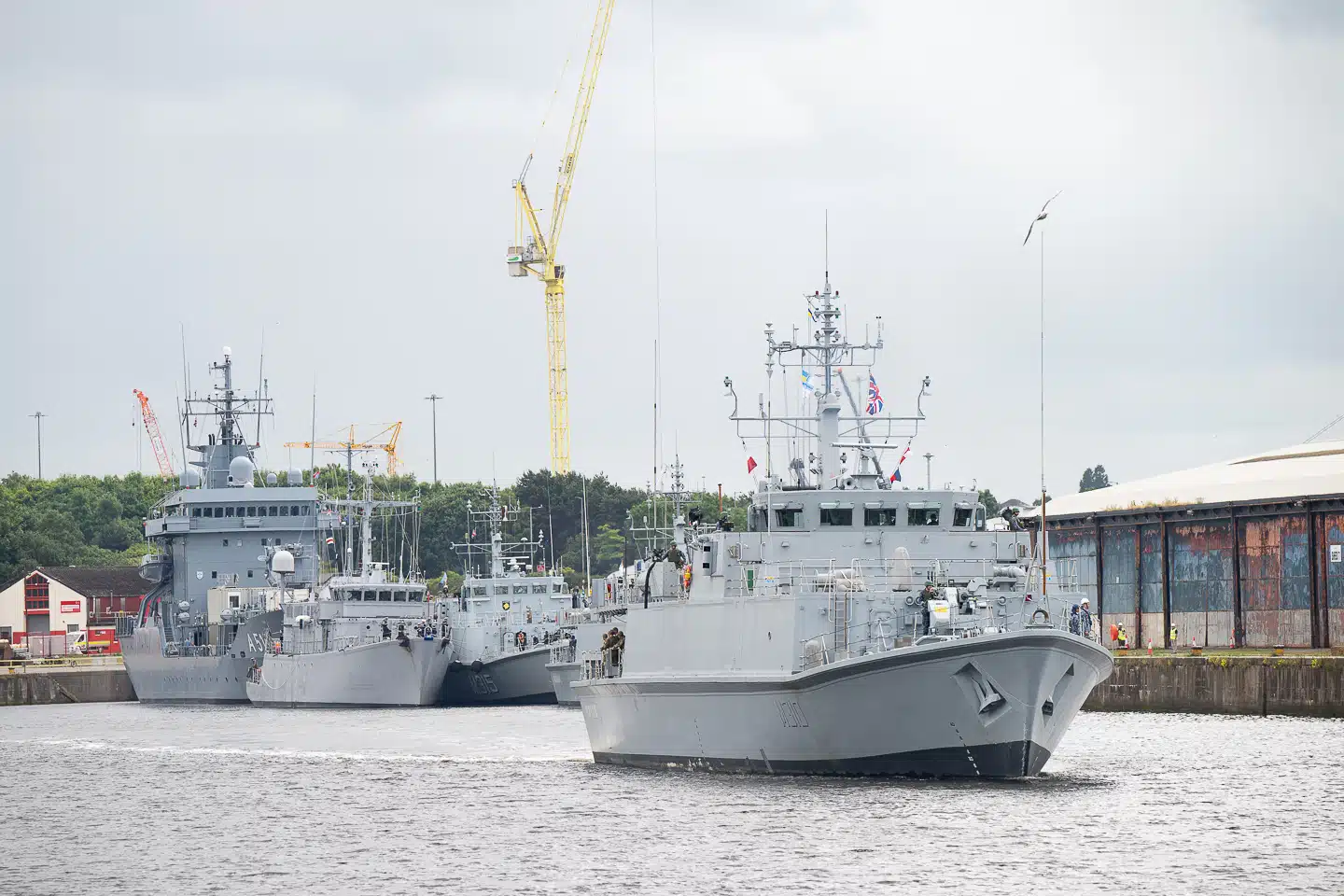
The Ukrainian Navy is developing its new MCM capability, and will demonstrate this capability during Exercise Sea Breeze.
The Greek frigate Hydra is part of an EU naval group under the CDSP maritime security operation ASPIDES that aims to safeguard maritime security and