News
U.S. Stations Marine Anti-Ship Missiles in the Western Pacific
A Japan-based U.S. Marine Corps unit designed to lock down maritime chokepoints and sink naval vessels has deployed the first forward-based American anti-ship missiles along


A Japan-based U.S. Marine Corps unit designed to lock down maritime chokepoints and sink naval vessels has deployed the first forward-based American anti-ship missiles along
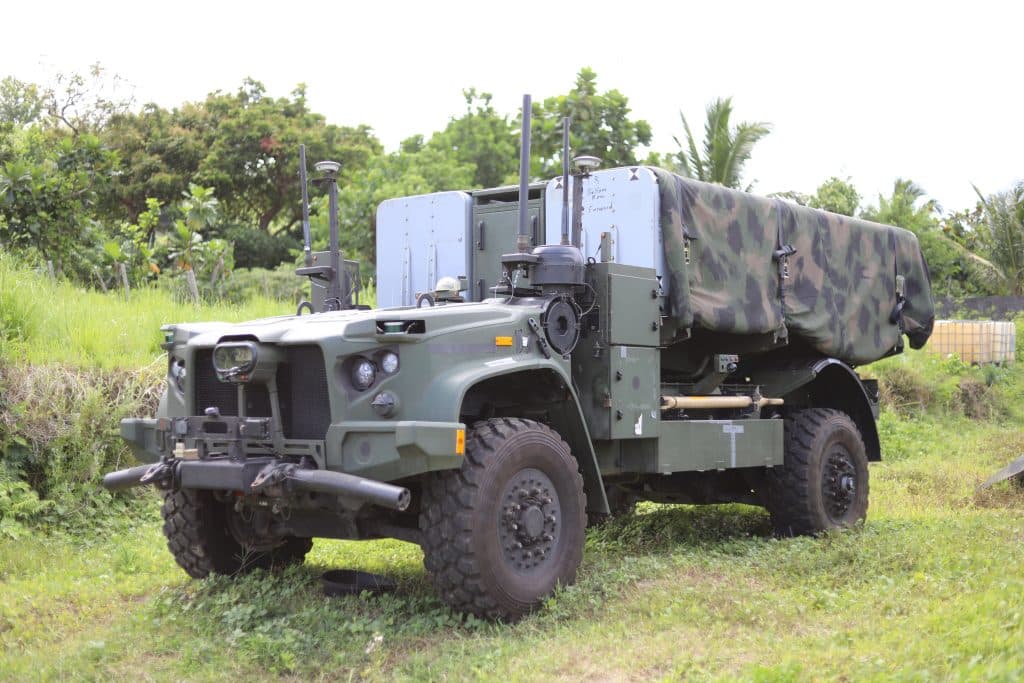
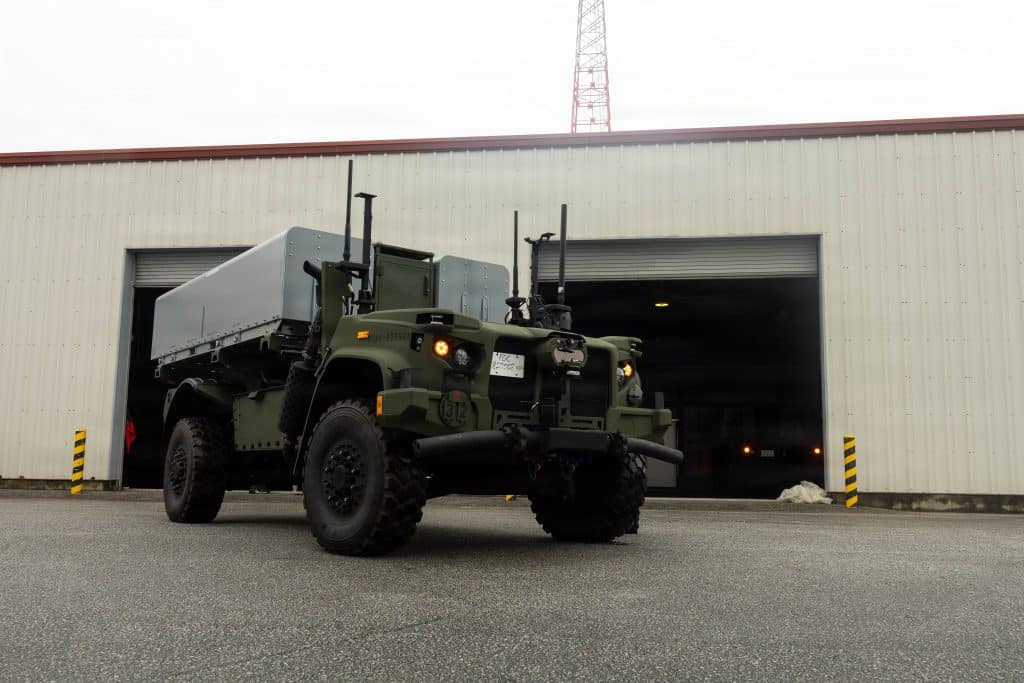
Two new pieces of equipment have recently joined the ranks of the US Marine Corps (USMC): the NMESIS – short for Navy-Marine Expeditionary Ship Interdiction
U.S. forces surged missiles across the Philippines over the course of Balikatan 2026 at key locations for simulated and live-fire exercises in some of the
American anti-ship missile launchers have been deployed to the Northern Philippines near the Luzon Strait in support of planned maritime strike, coastal defense and sea

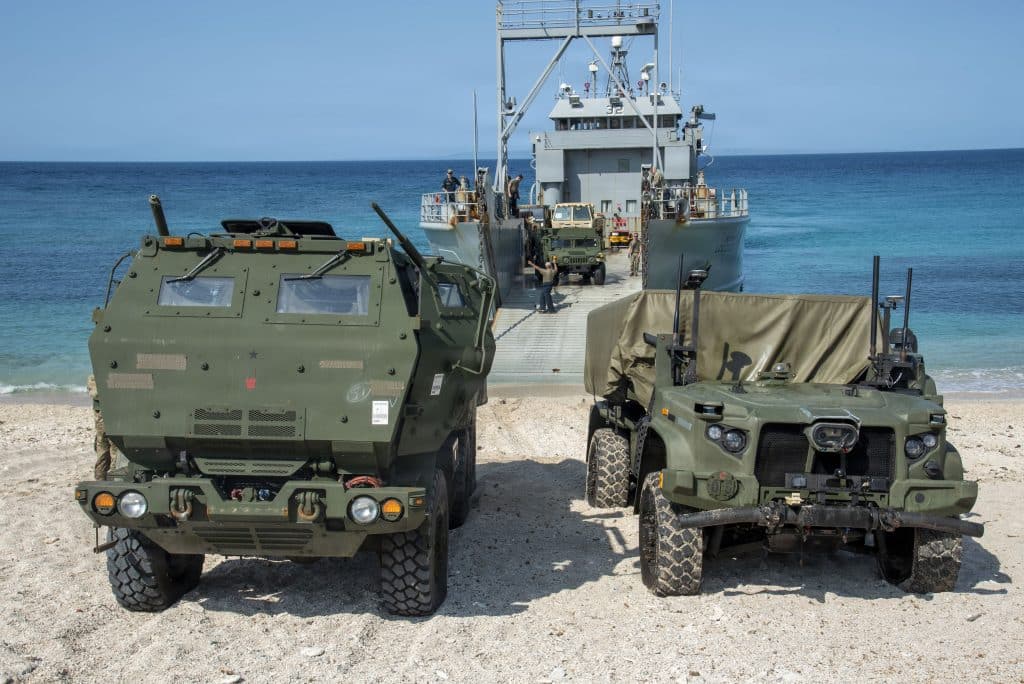
The U.S. Army’s latest watercraft demonstrated its ability to transport a Marine Corps NMESIS anti-ship launcher last week in Hawaii. The U.S. Army’s next-generation landing

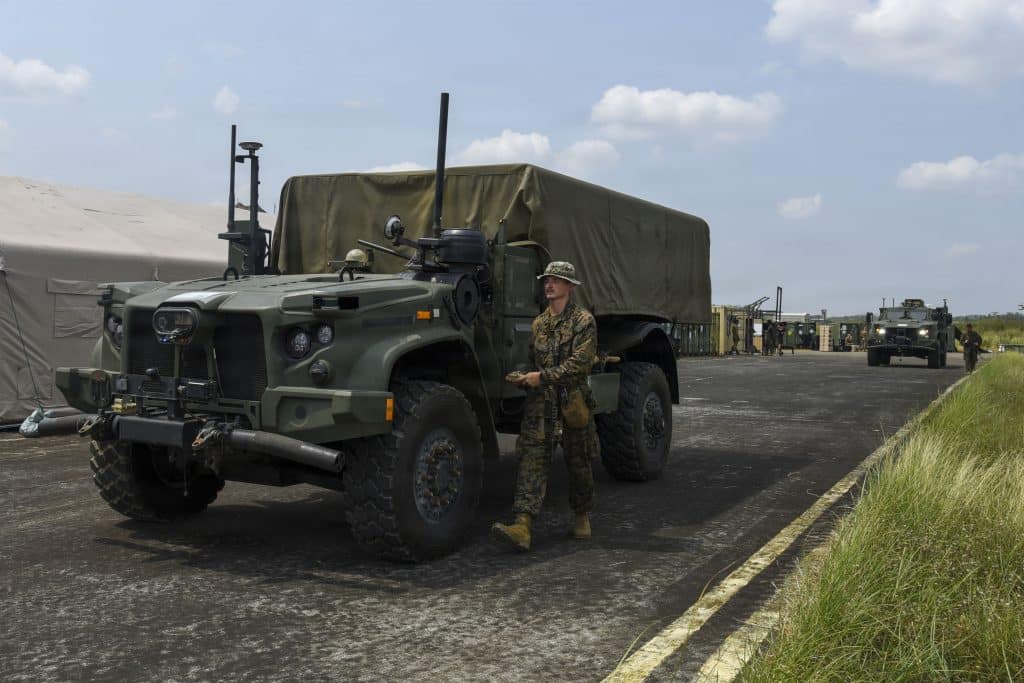
The U.S. Marine Corps’ Long Range Fires (LRF) launcher, built around a single-cell Mark 41 VLS cell for Tomahawk missiles on a ROGUE-Fires carrier vehicle,

The 3rd MLR has conducted numerous simulated fire missions in support of U.S.-Philippine exercises in the Luzon Strait and South China Sea since arriving on

U.S. Marine Corps anti-ship missiles will deploy to the Luzon Strait, a strategic first island chain chokepoint between the Philippines and Taiwan, during Balikatan 2025.

The U.S. Marine Corps’ 12th Littoral Combat Team (LCT) will field the first forward deployed NMESIS unmanned anti-ship battery. The 12th LCT is the third

The Rogue Fires JLTV brings area denial and anti-ship capabilities to the U.S. Marine Corps, with the U.S. Army expressing interest as well.