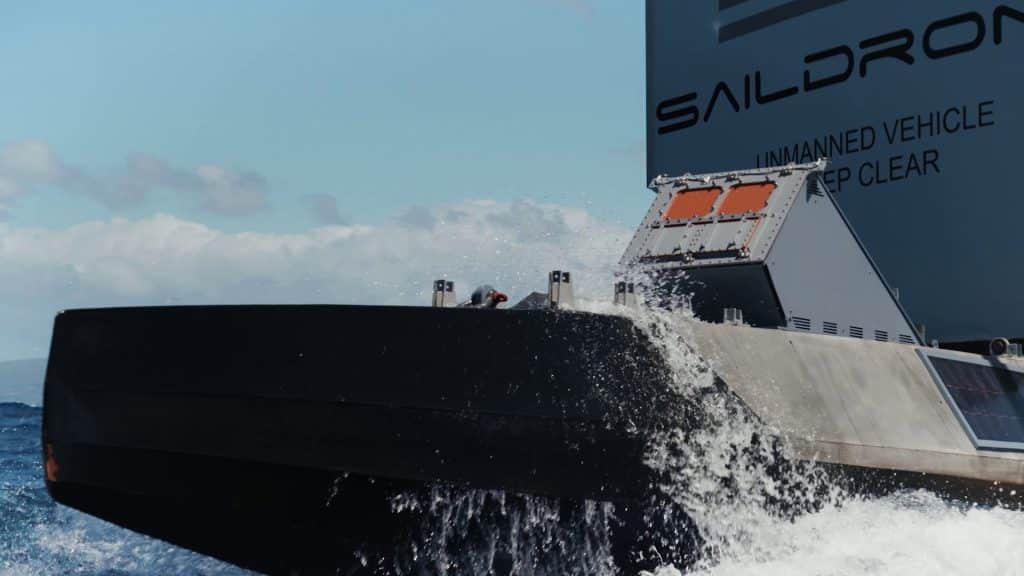
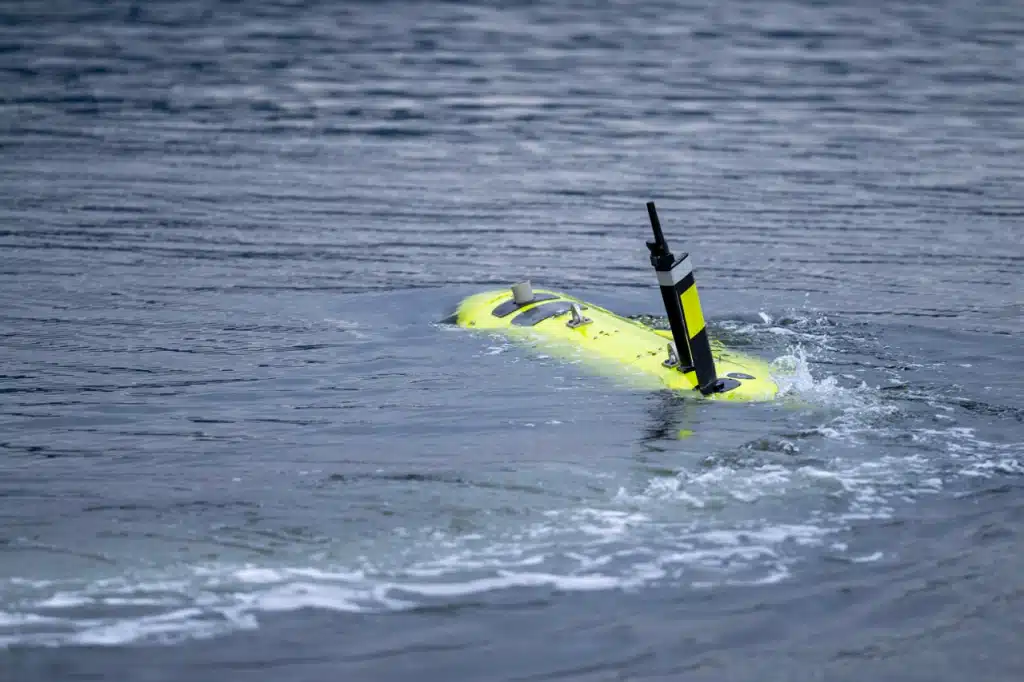
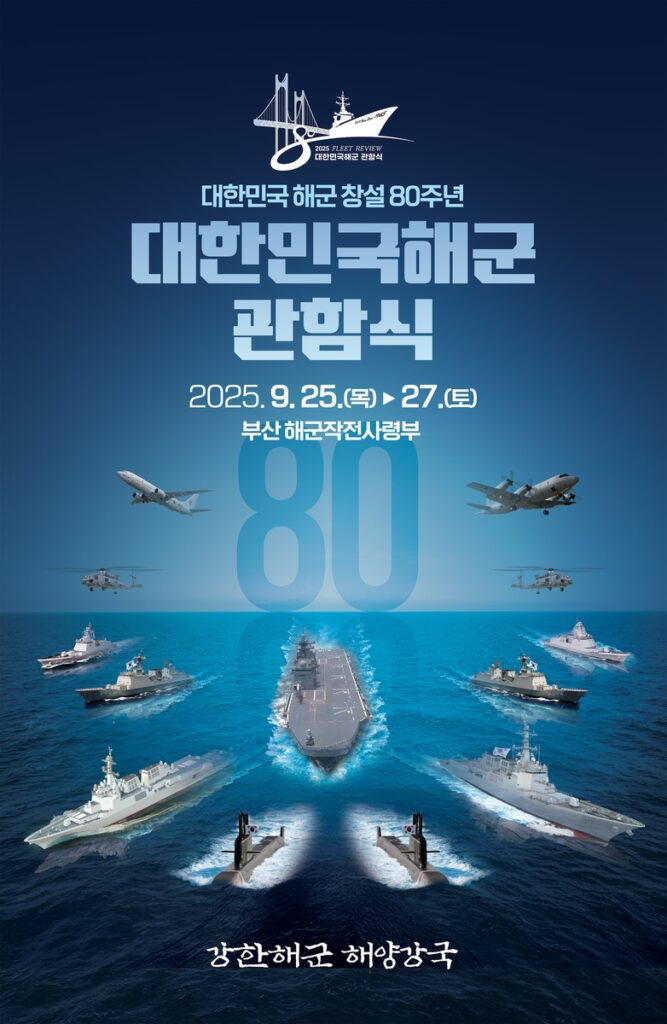
The ROK Navy held a Fleet Review marking its 80th anniversary off the coast of Busan from September 25th to September 27th. The event featured a naval parade of 31 warships, including Aegis destroyers, ROK Navy’s submarines, amphibious assault ships, and landing vessels, alongside aircraft and unmanned systems.
Defense Minister Ahn Kyu-baek and about 300 senior officials boarded the LST-II ROKS Ilchulbong, while over 2,100 guests, including selected members of the public, observed the review from the LPH ROKS Marado and the LST-II ROKS Nojeokbong.
The entire fleet review event was held from the 25th to the 27th, consisting of maritime events, land-based events, other commemorative ceremonies, as well as base open house events for the public.
The maritime events took place over two days, on the 25th and 26th. Despite the rainy and cloudy weather on the 25th, the event showcased the history of the Republic of Korea Navy as well as various maritime and aerial assets, serving as a meaningful occasion that connected the Navy with the people. The program began with a commemorative speech by the Chief of Naval Operations, followed by a review of warships and aircraft, an anti-submarine warfare demonstration, and a naval firepower demonstration.
The recently commissioned Aegis destroyer ROKS Jeongjo the Great (DDG-995) served as the lead ship of the maritime review. Under the command of Rear Admiral Kim In-ho, the inaugural commander of the Task Fleet Command, the vessel signaled the beginning of the naval review by rendering honors and firing gun salutes toward the fleet review’s flagship.
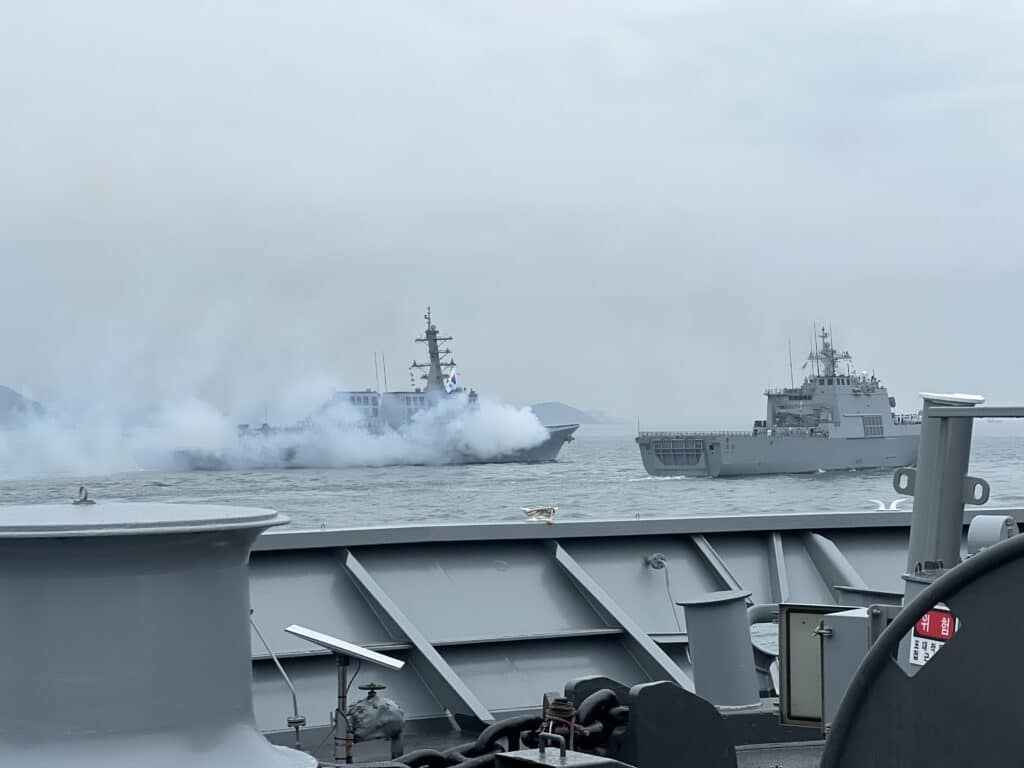
The fleet review then proceeded in sequence with an aerial parade, a surface fleet parade, and a submarine parade.
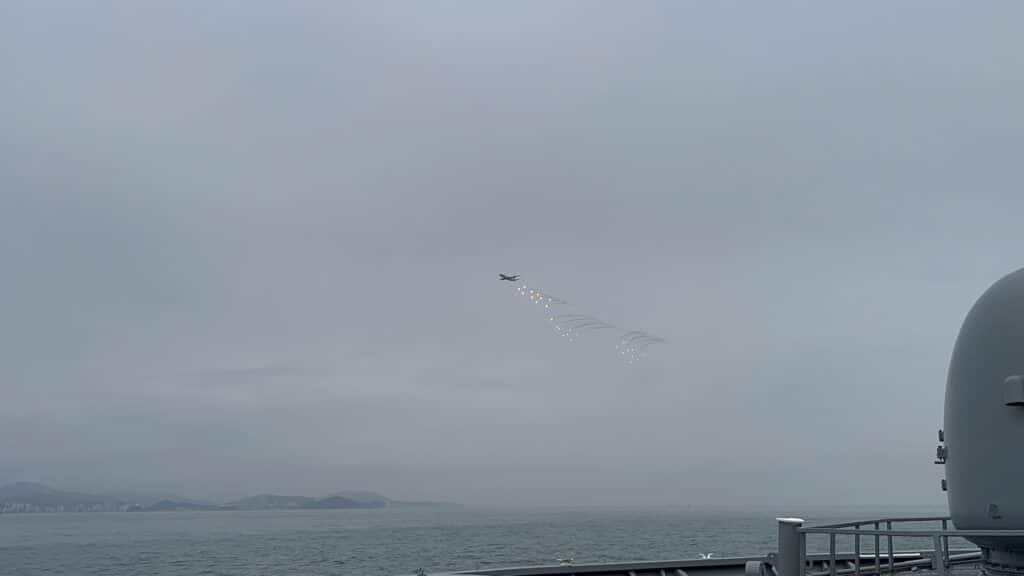
In the aerial parade, the Republic of Korea’s recently fielded P-8 Poseidon maritime patrol aircraft, Lynx helicopters, and the newly acquired MH-60R Seahawks flew overhead.
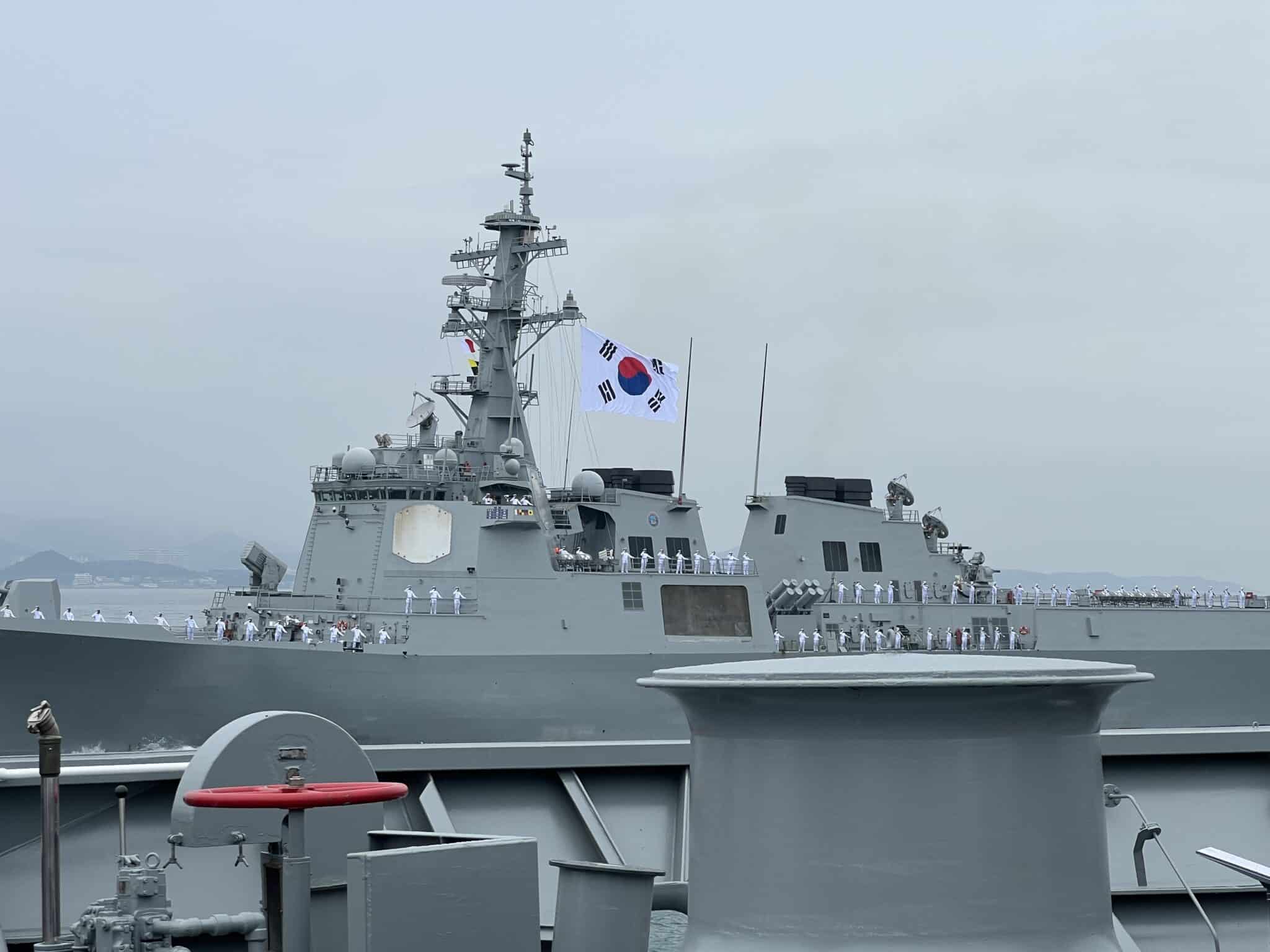
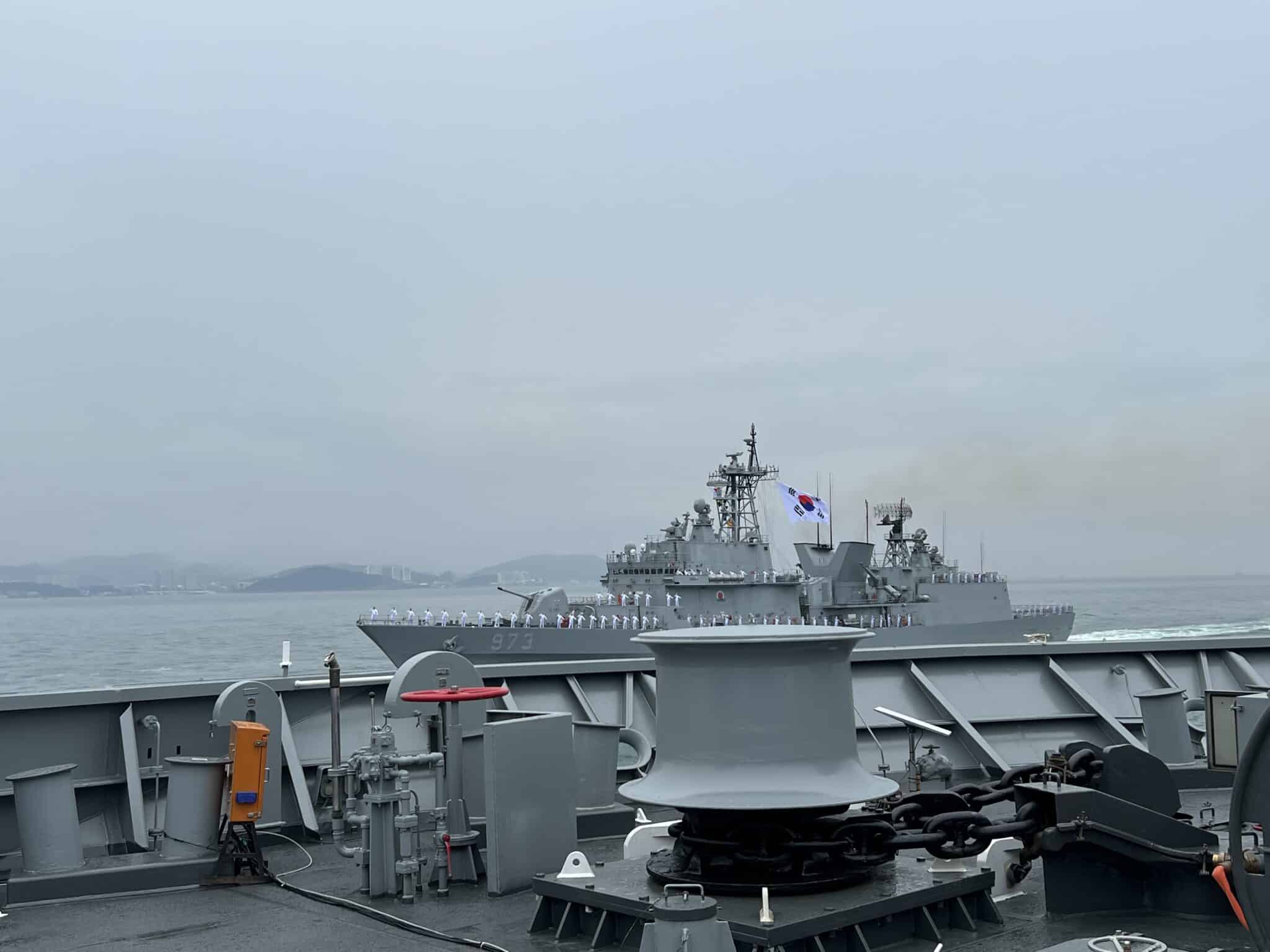
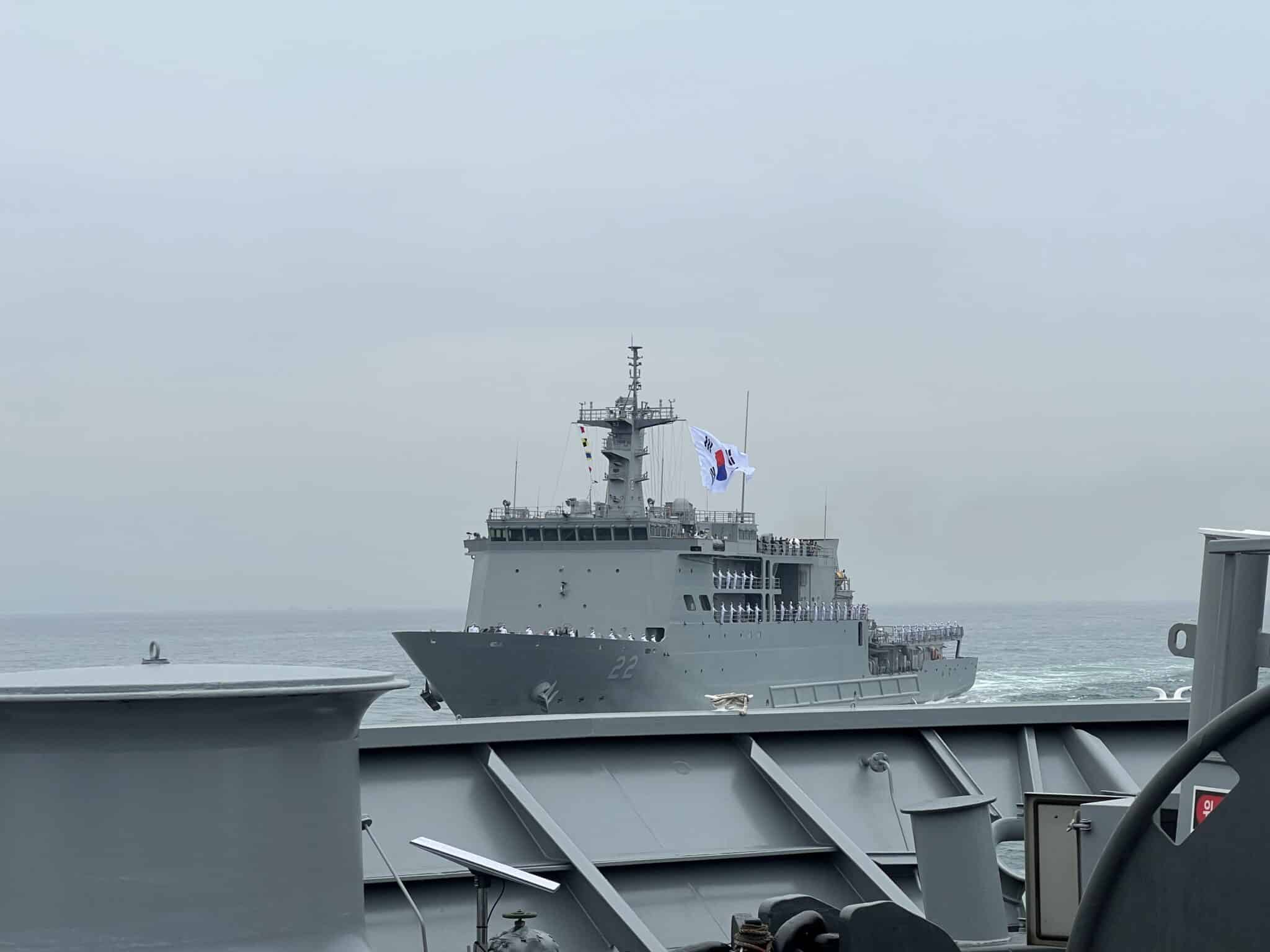
Following this, showcasing the history of the ROK Navy’s development, the Navy’s first domestically built Ulsan-class frigate was reviewed in succession with the Incheon-class, Daegu-class, and the latest Chungnam-class frigates. They were followed by the Gwanggaeto the Great-class destroyers, the Chungmugong Yi Sun-sin-class destroyers, and the Sejong the Great-class Aegis destroyers.
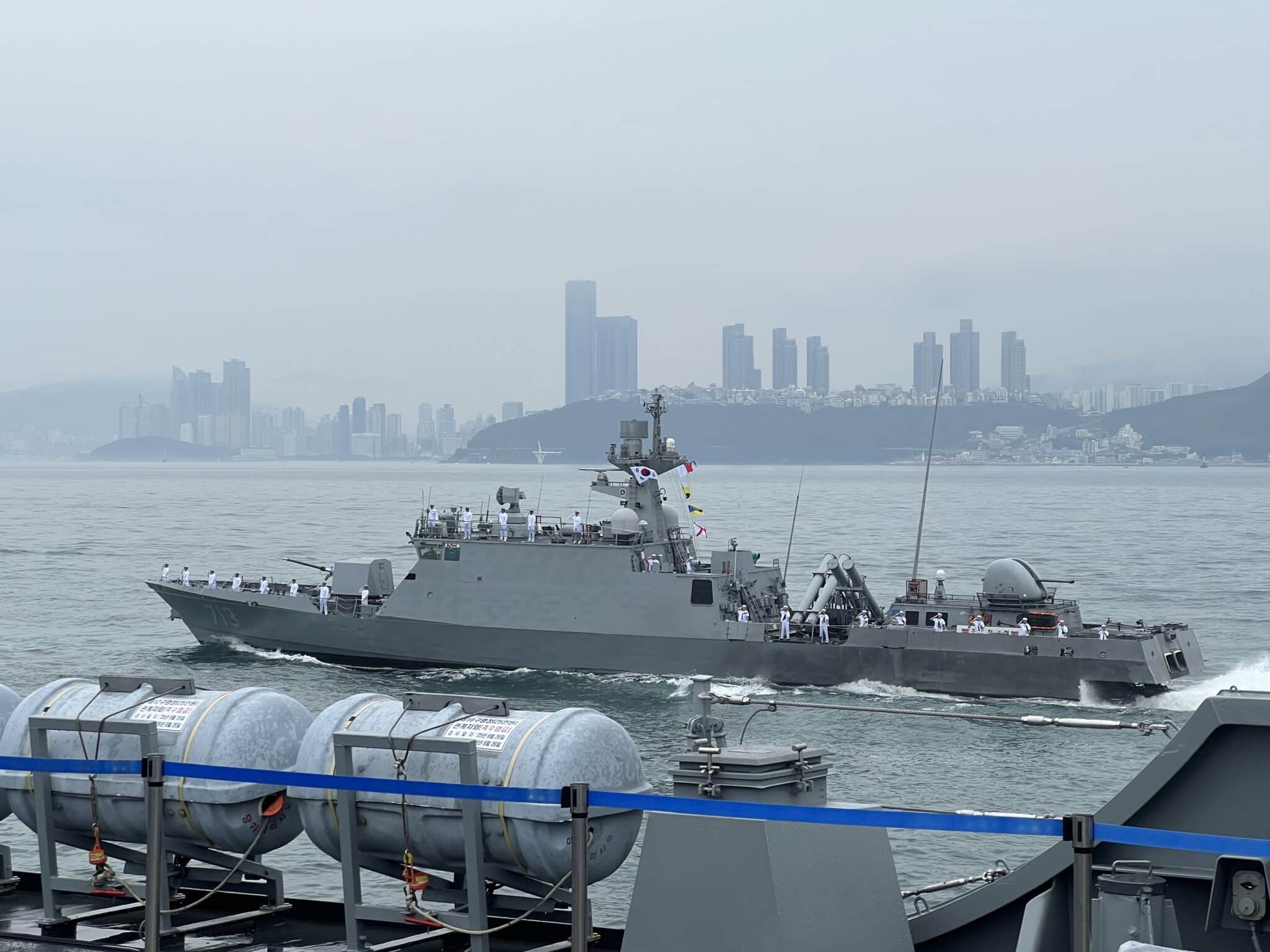
In addition, patrol vessels that safeguard the Northern Limit Line (NLL) also participated the fleet review, including the Yoon Young-ha-class PKG, the new Chamsuri-class PKMR, and the old PKM patrol craft.
The naval review included not only combat ships but also a variety of combat support vessels such as the Tongyeong-class rescue and salvage ship and the Navy’s latest submarine rescue ship, ROKS Ganghwado. The Republic of Korea Coast Guard also participated, along with Hanbada, the training vessel of Korea Maritime & Ocean University.


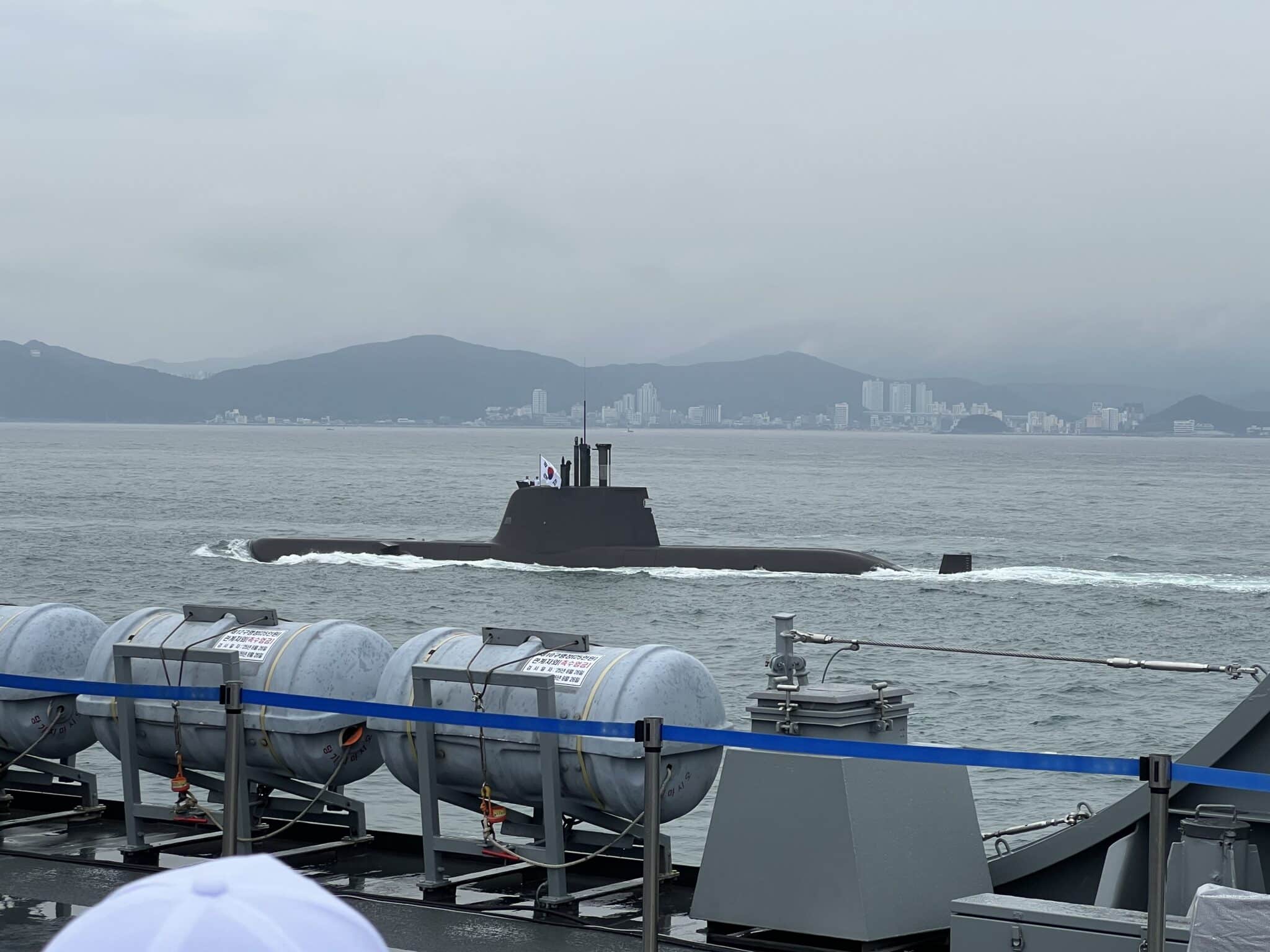
Next came the series of the Republic of Korea’s submarines—KSS-I, KSS-II, and KSS-III Batch-I. This was followed by an anti-submarine warfare (ASW) demonstration: a P-8 Poseidon deployed sonobuoys into the target area, an MH-60R Seahawk showcased the use of its dipping sonar, and finally, Lynx helicopters simulated torpedo drops to conclude the demonstration.


Before moving on to the live-fire exercise, Shield AI’s V-BAT unmanned aerial vehicle took off vertically from the helicopter deck of ROKS Nojeokbong and, together with the Sea Sword USV positioned ahead of the live-fire formation, demonstrated the Navy’s growing unmanned capabilities.
Finally, the day’s naval review concluded with a live-fire demonstration against sea targets, using 5-inch naval guns, 76mm guns, and 40mm CIWS.