News
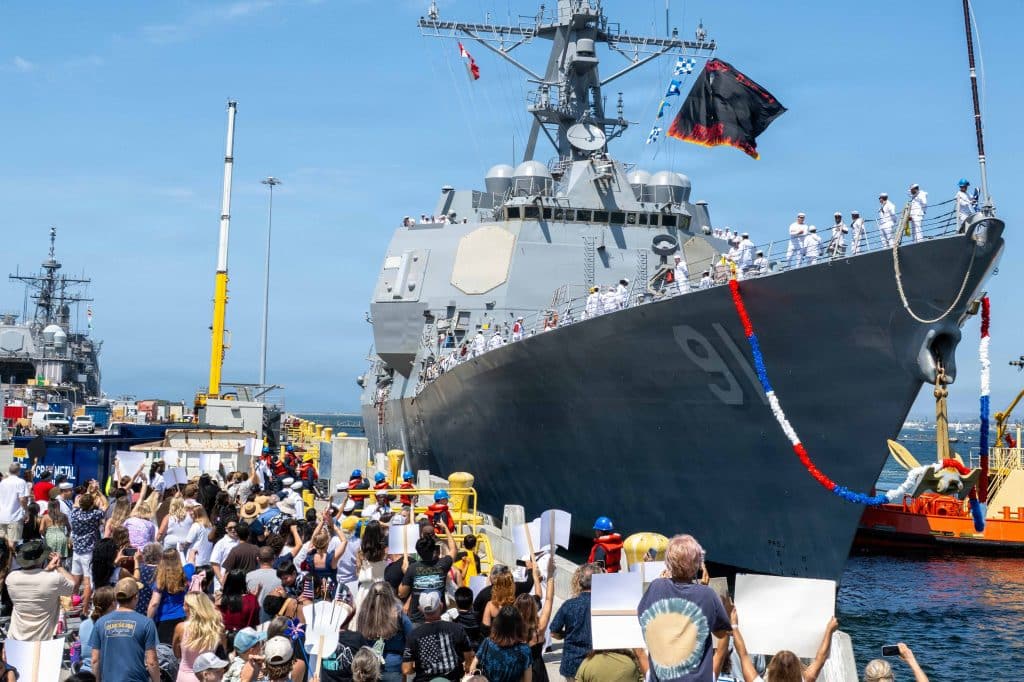
First U.S. Navy Destroyer Enters Phase Two of DDG MOD 2.0 Modernization
USS Pinckney becomes the first U.S. Navy destroyer to enter Phase Two of the DDG MOD 2.0 program, adding advanced SPY-6 radars to counter growing global threats.


USS Pinckney becomes the first U.S. Navy destroyer to enter Phase Two of the DDG MOD 2.0 program, adding advanced SPY-6 radars to counter growing global threats.
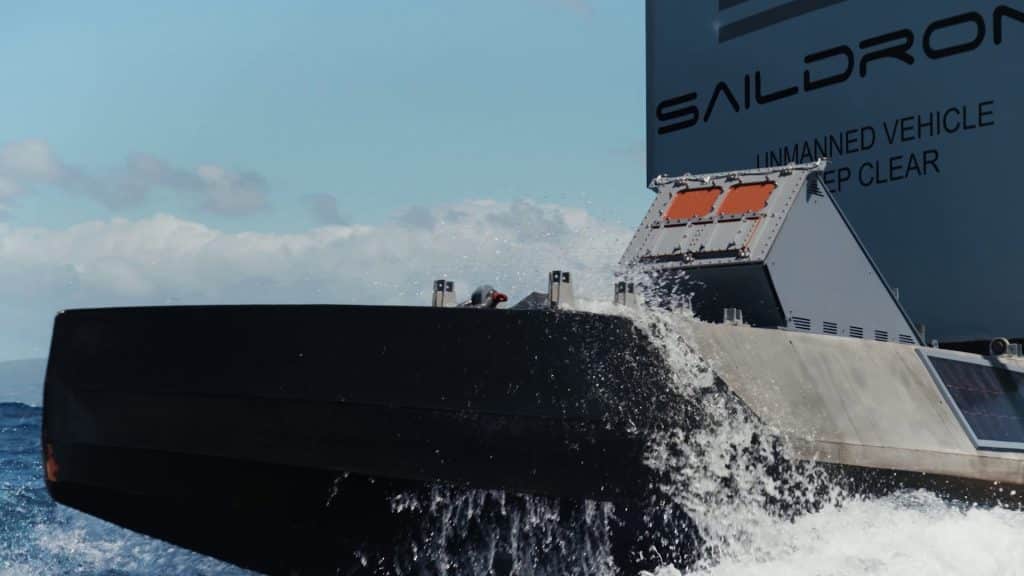
The Pentagon and DIU launched a 120-day sprint to acquire and field new counter-UAS armed USVs to defend surface fleets against low-cost drone threats.
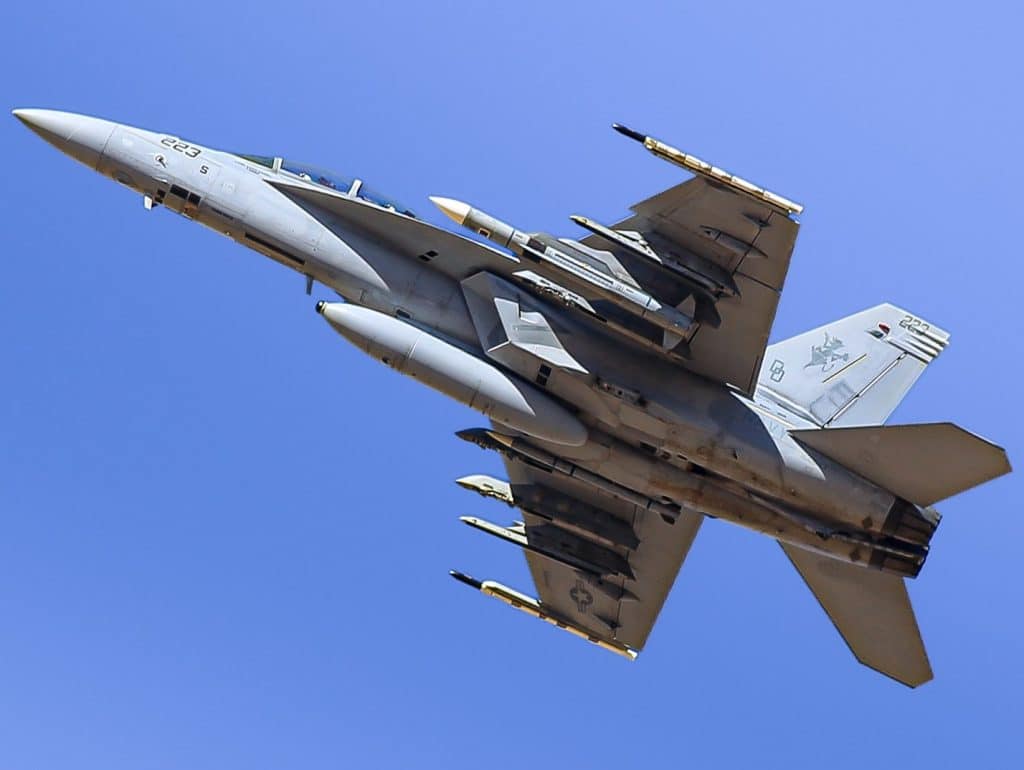
A U.S. Navy F/A-18 Super Hornet was spotted carrying the AIM-174B and AIM-260A JATM, marking the first documented dual-loadout of these secretive weapons.
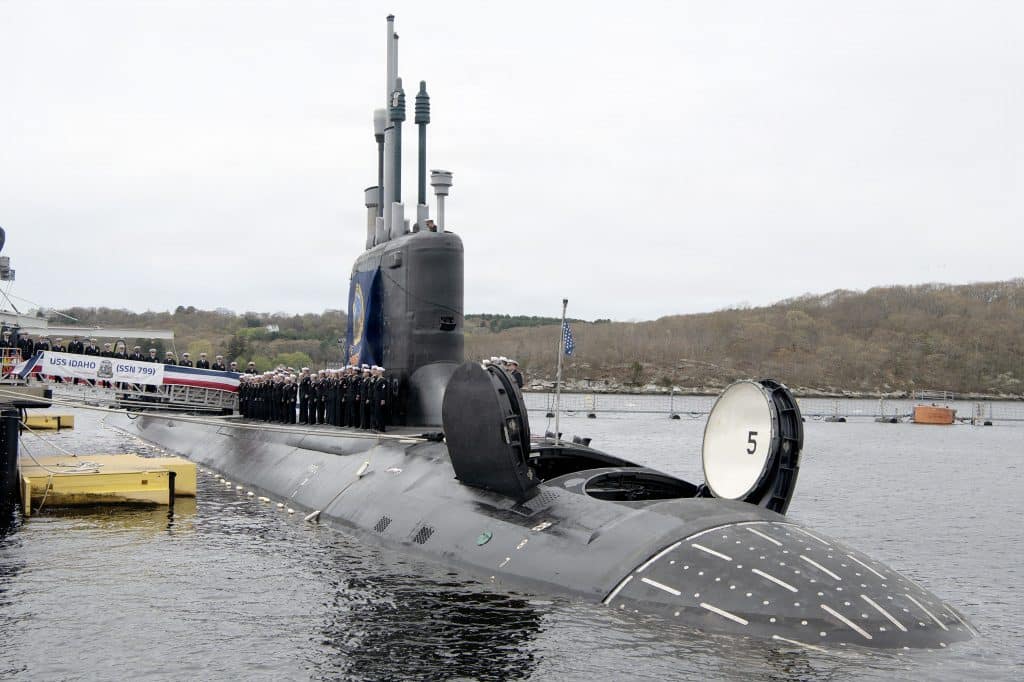
U.S. Navy and General Dynamics are converting the future USS Baltimore (SSN 812) into an elite seabed warfare submarine to succeed the USS Jimmy Carter.
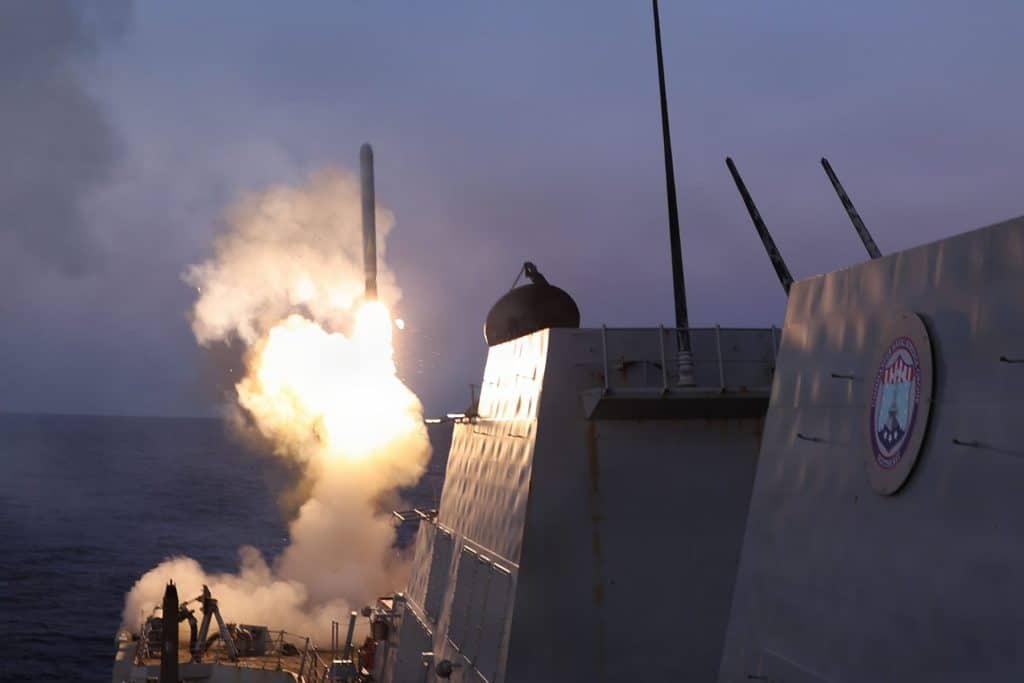
Citing a “current international conflict”, the U.S. Navy is modifying a SLAM-ER contract with General Dynamics to fast-track Tomahawk warhead production.
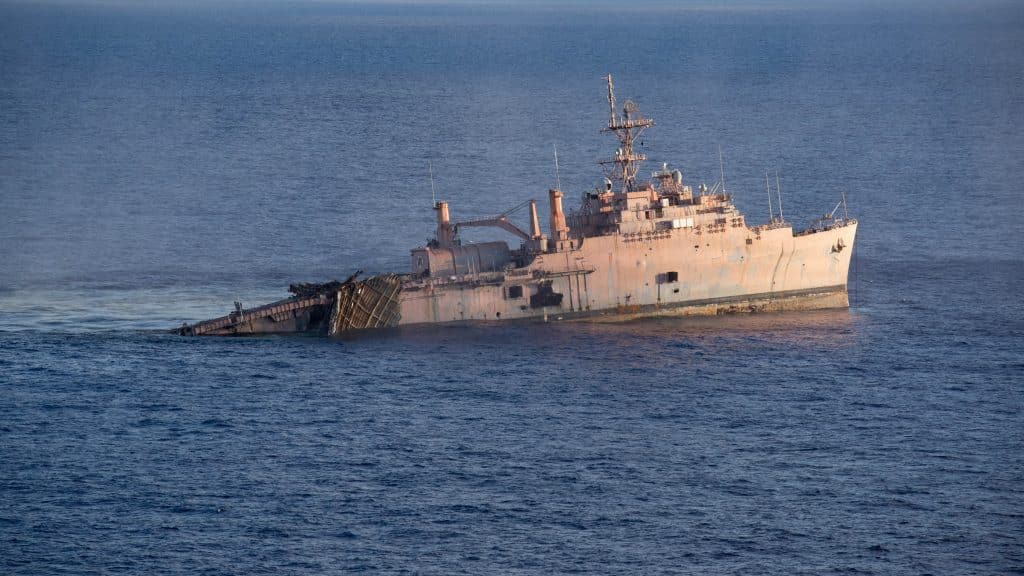
Liberator is a classified seabed warfare system deployable from uncrewed submarines, capable of firing the U.S. Navy’s largest ship-killing torpedoes.
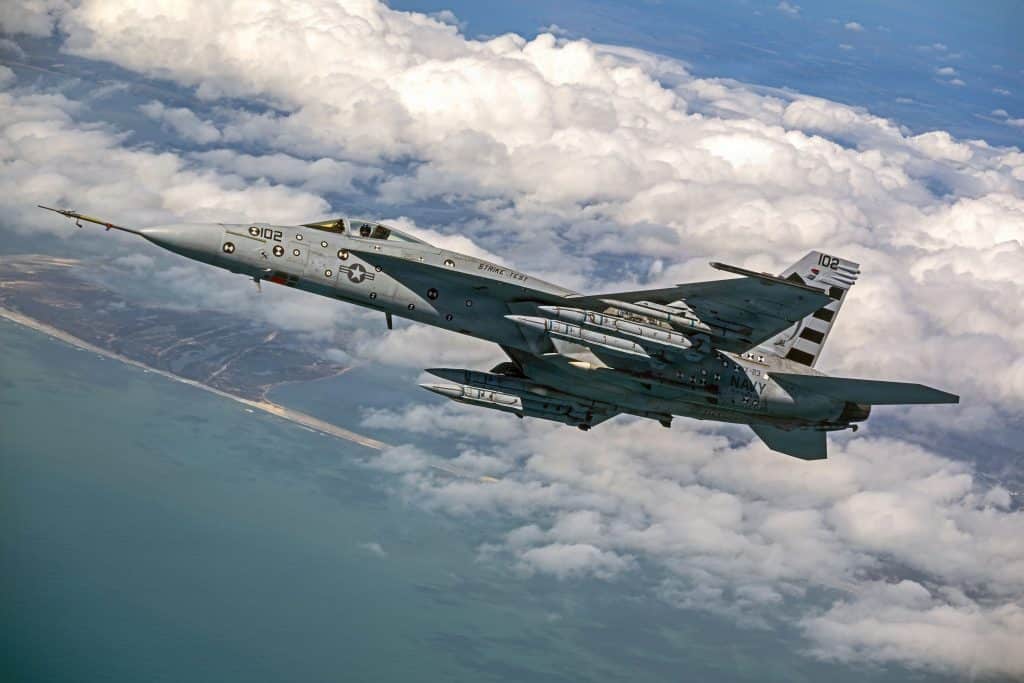
The U.S. Navy and Raytheon have unveiled the AIM-424 Malice, a long-range air-to-air missile built to hit targets over 250 nautical miles away.
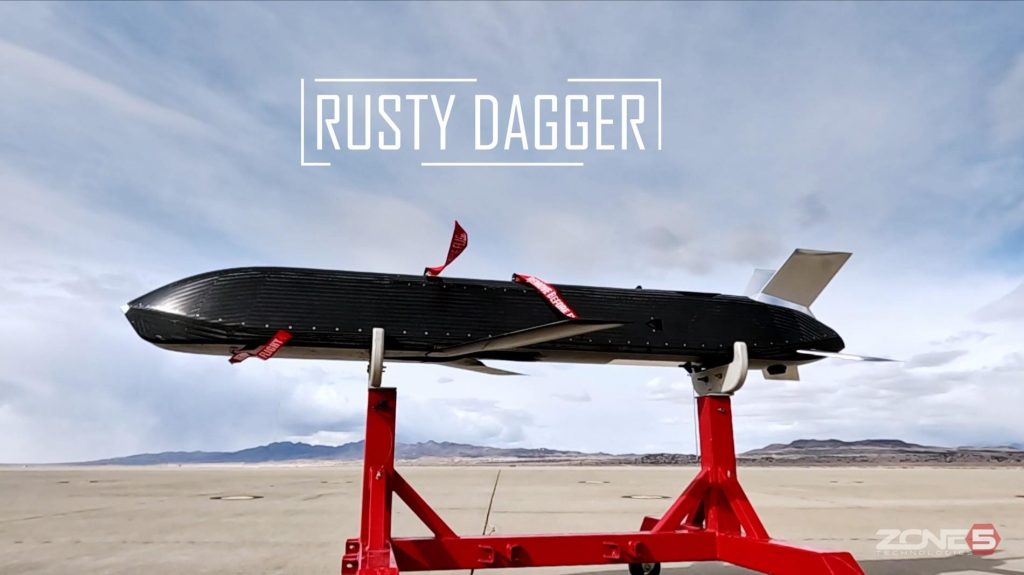
The U.S. Navy has awarded Zone 5 Technologies a contract to build its combat-proven Rusty Dagger low-cost cruise missile for the new CHAOS program.

The U.S. Navy’s Pacific Fleet is testing new UUV roles, including carrier-basing and undersea resupply, to boost stealth in contested waters.
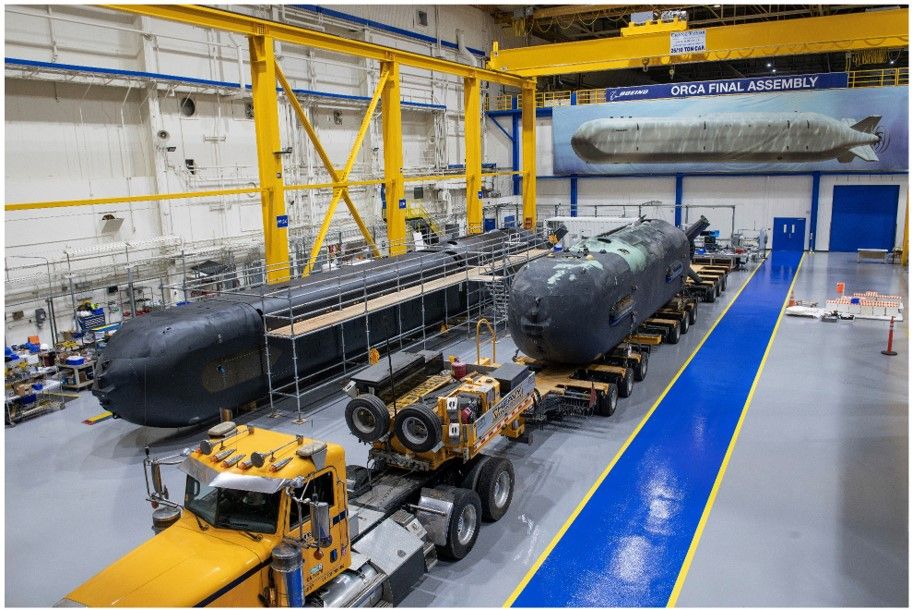
The U.S. Navy completed a 1,000 nautical mile transit with the service’s Orca XLUUV uncrewed submarine in July, a first for the service. The U.S.