The five ‘Álvaro de Bazán’-class frigates operate simultaneously in different deployments, thanks to their suitability to interoperate with other allied navies, a solid logistic support, and the effectiveness of their capabilities as escorts.
Spanish Navy press release
The Armada is facing a rare operational milestone: its entire class of F-100 ‘Álvaro de Bazán’ frigates, escort vessels of over 6,000 tons, are currently sailing and conducting operations simultaneously in various national and international theaters, participating in integrated operations with NATO and in Allied naval-air Task Groups.
Maintaining the deployment of all five units at the same time presents a significant challenge in terms of planning, maintenance, and logistic support, both for the Armada and –more specifically– for the Ferrol Naval Base, which is responsible for a large part of their maintenance. This ongoing effort requires a high degree of coordination between crews, shore-based support structures, and the industrial supply chain, and ensures the continued operational readiness of a class with over twenty years of service in highly demanding environments.
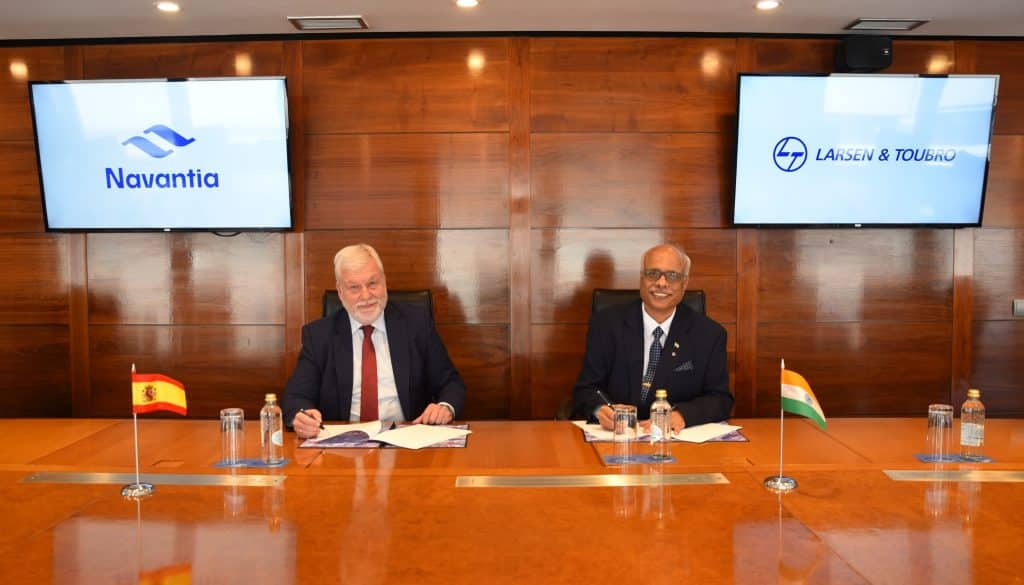
This operational context coincides with the boost to the Mid-Life Modernization Program (MMV) of the F-100 frigates, whose contract was signed in December 2025, with an investment of 3.2 billion euros and a time horizon until 2036. The program includes actions on the platform and in the combat systems, aimed at mitigating obsolescence and adapting the ships to the operational scenarios of the future, including the modernization of the AEGIS combat system.
Pioneers in Europe in the Incorporation of the AEGIS System

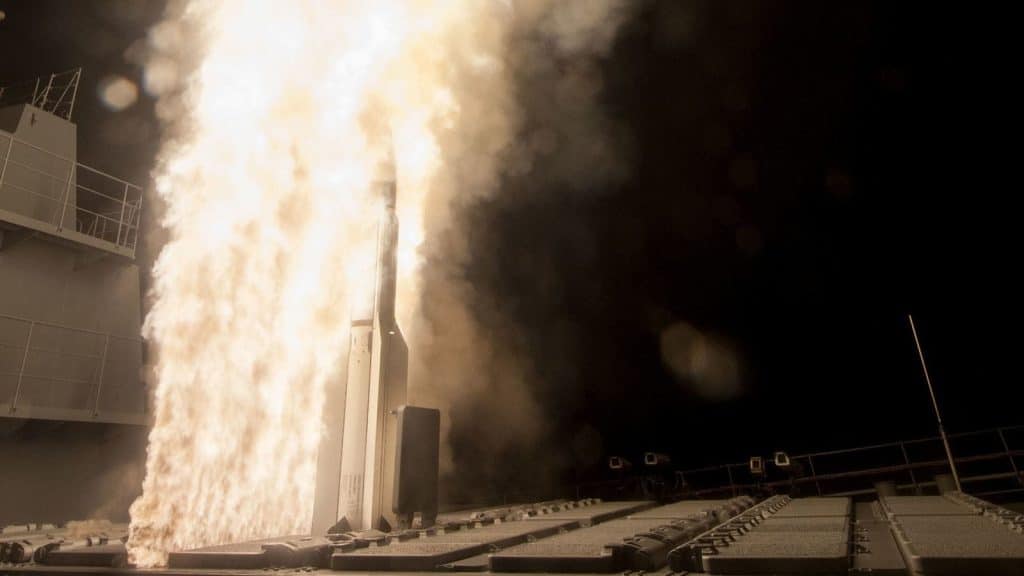
Designed and built in Ferrol, the F-100 frigates were pioneers in Europe in the incorporation of the AEGIS combat system. Two decades after entering service, they continue to be among the most capable air defense escorts on the continent. This has been demonstrated by their recurring participation in live-fire missile exercises such as ‘Formidable Shield’, their regular integration into NATO’s Standing Naval Groups, and their presence in some of the most strategically important maritime theaters.
Currently, the frigates carry out missions of particular significance alongside allies and strategic partners. The ‘Álvaro de Bazán’ (F-101) is integrated into the French Naval Air Combat Group of the aircraft carrier ‘Charles de Gaulle’, participating in the high-intensity, multi-domain exercise ‘Orion 26’. The ‘Almirante Juan de Borbón’ (F-102) serves as flagship of NATO’s Standing Naval Group 1 (SNMG-1), while the ‘Blas de Lezo’ (F-103) participates in the United States in the demanding COMPTUEX certification exercise with the U.S. Navy.
Meanwhile, the ‘Méndez Núñez’ (F-104) is acting as a naval platform in the joint activation ‘Eagle Eye’, integrated into the National Air Defense System, and the ‘Cristóbal Colón’ (F-105) is participating in NATO’s exercise ‘Steadfast Dart 26’ in the Baltic Sea. This set of missions reflects the F-100s’ capability to effectively integrate into multinational structures and operate with navies such as the French, the US and other allies, as well as with the Spanish Army and Air Force.
This level of activity is made possible thanks to the sustained effort of their crews, the continuous logistic and maintenance support, and the close coordination between the Armada, the DGAM (Directorate General of Armament and Material), and Navantia to guarantee their availability.
The current situation, with the five F-100s sailing simultaneously, is the best example of the reliability of these units and the human, logistic and industrial system that supports them, while anticipating the Armada’s commitment to maintain them as reference escorts for the coming decades.
– End –