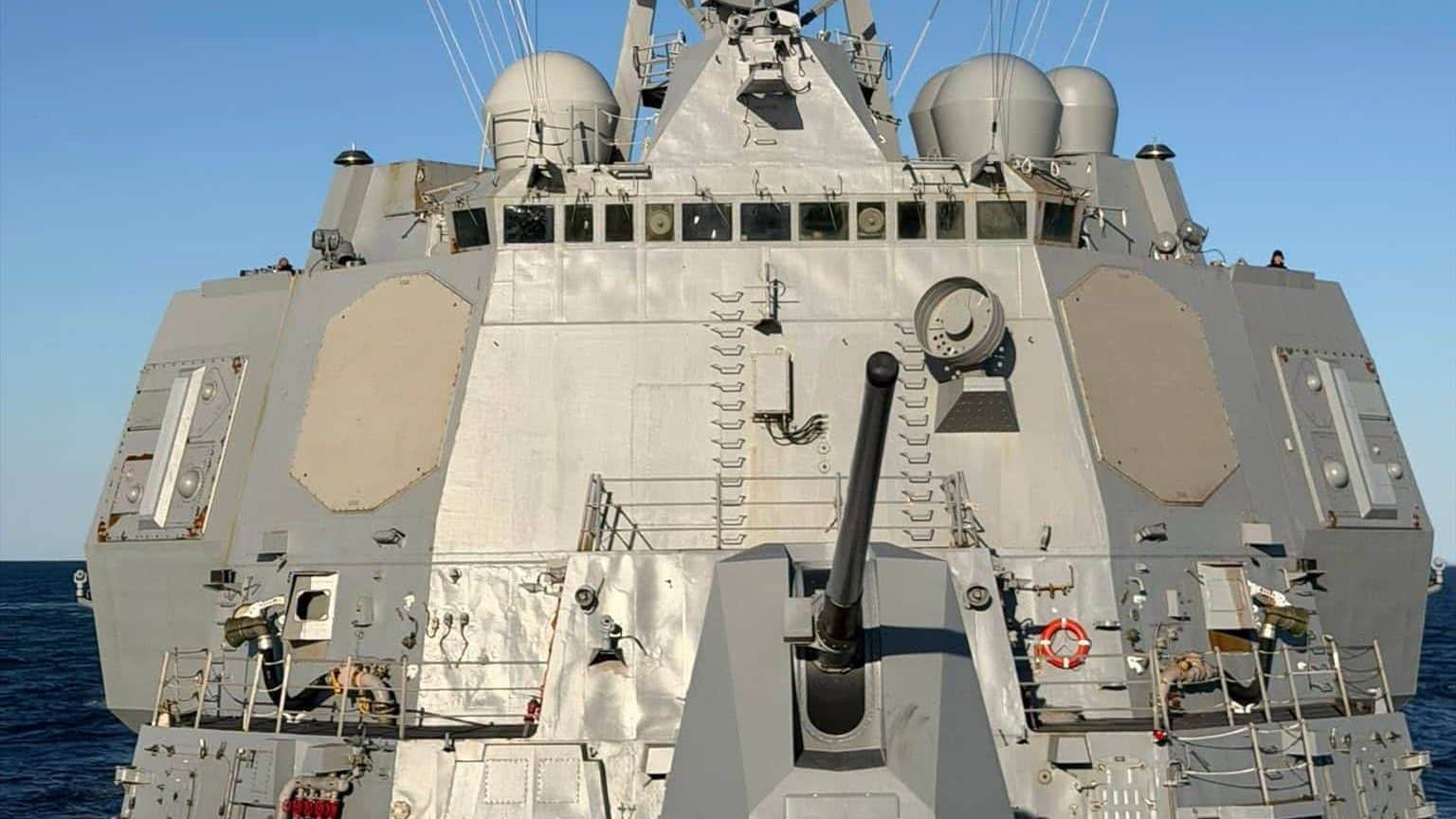
The U.S. Navy took delivery of two modernized destroyers, USS Chung-Hoon (DDG 93) and USS James E. Williams (DDG 95), ahead of schedule through accelerated acquisition, planning, and execution milestones led by the service’s new Portfolio Acquisition Executive (PAE) Maritime office.
Both ships completed their combat system sea trials, calibrations, and shakedowns successfully and ahead of schedule, becoming the second and third ships to enter the fleet with Northrop Grumman’s SLQ-32(V)7 SEWIP Block 3 electronic attack system behind USS Pinckney (DDG 91).
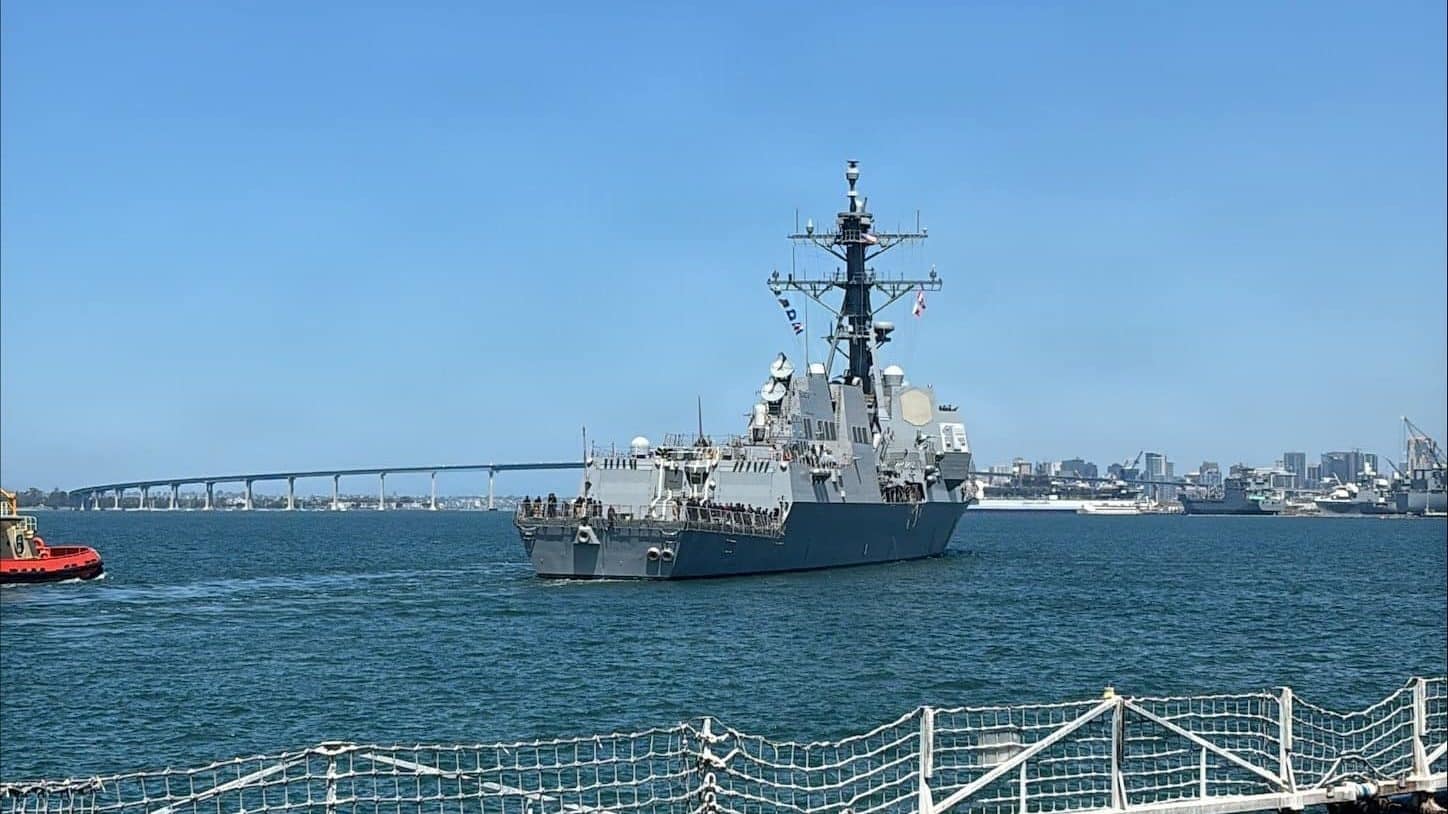
“This destroyer modernization effort is the cornerstone of increasing service life and delivering decisive combat power to the US Navy via our Flight IIA destroyers,” said Capt. Tim Moore, Program Manager, Destroyer Modernization 2.0 (DDG MOD 2.0) in a media release covering the ship deliveries. “We focused on opportunities to shift milestones supporting acquisition, planning and execution left to provide these game-changing capabilities to the operators sooner.”
DDG MOD 2.0 is a major mid-life upgrade to aging Arleigh Burke-class guided missile destroyers, upgrading their combat systems, radars, and electronic warfare capabilities largely through a two-step process that has allowed the service’s regional maintenance centers and industry partners to learn their best techniques and processes for upgrades.
The first step, which is now underway for USS Halsey (DDG 97) and complete for Picnkney, James E. Williams, and Chung-Hoon, installs the SEWIP Block 3 electronic attack package and a series of cooling and combat system upgrades for the second step, which installs Raytheon’s SPY-6(V)4, a specific variant of the SPY-6 family intended for Flight IIA destroyers.
General Dynamics NASSCO and BAE Systems both cooperated with the U.S. Navy’s regional maintenance centers to achieve the accelerated timeline for James E. Williams and Chung-Hoon. The lessons learned across industry and the fleet have, thus far, prevented the crises and problems of the service’s Ticonderoga-class modernization effort.
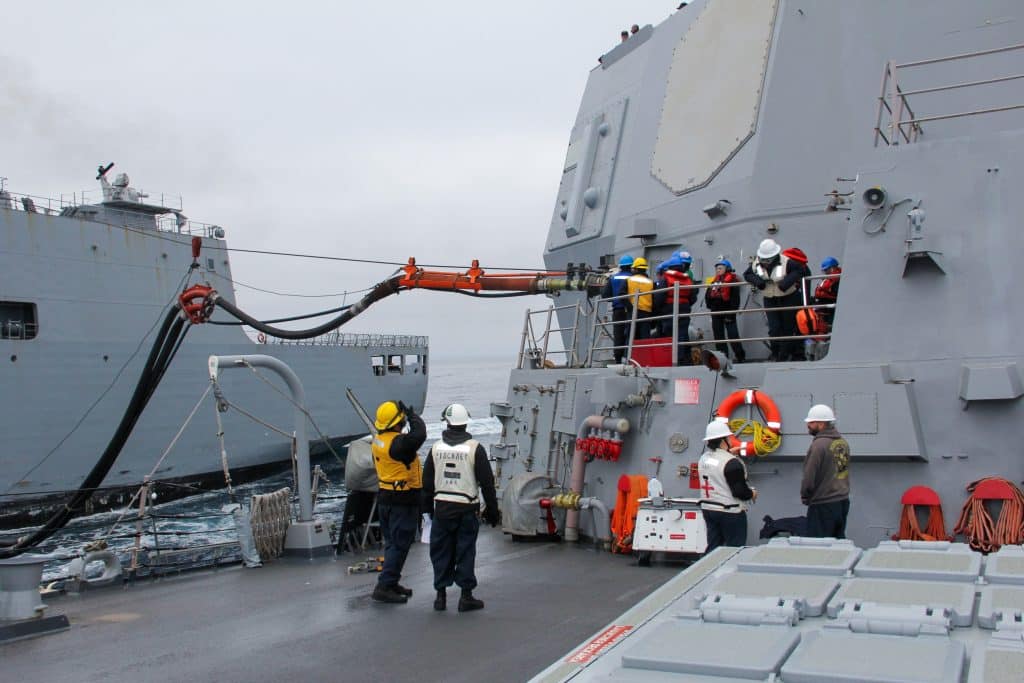
“When we do maintenance on our surface ships, it’s done in the private sector with the ship’s crew, the industrial partner, and government oversight. When they work and collaborate together, it goes much smoother,” U.S. Navy Vice Admiral John Gumbleton said during a presentation at the Combined Naval Event in 2025. “In [the new] construct, we have been on time 11 of 12 times, and the one outlier was two weeks late. We’ve made the conscious decision to prioritize predictability over deferring modernization.”
Naval News previously covered the service’s improving modernizations in 2025, when improvements were first beginning to appear across the fleet. Today, the Chung-Hoon and James E. Williams are yet another step in the improvement of surface fleet overhauls.