News
French E-2D Advanced Hawkeyes to Feature Aerial Refueling Capability
The future E-2D Advanced Hawkeyes of the French Navy (Marine Nationale) will come with aerial refueling capability…



The future E-2D Advanced Hawkeyes of the French Navy (Marine Nationale) will come with aerial refueling capability…
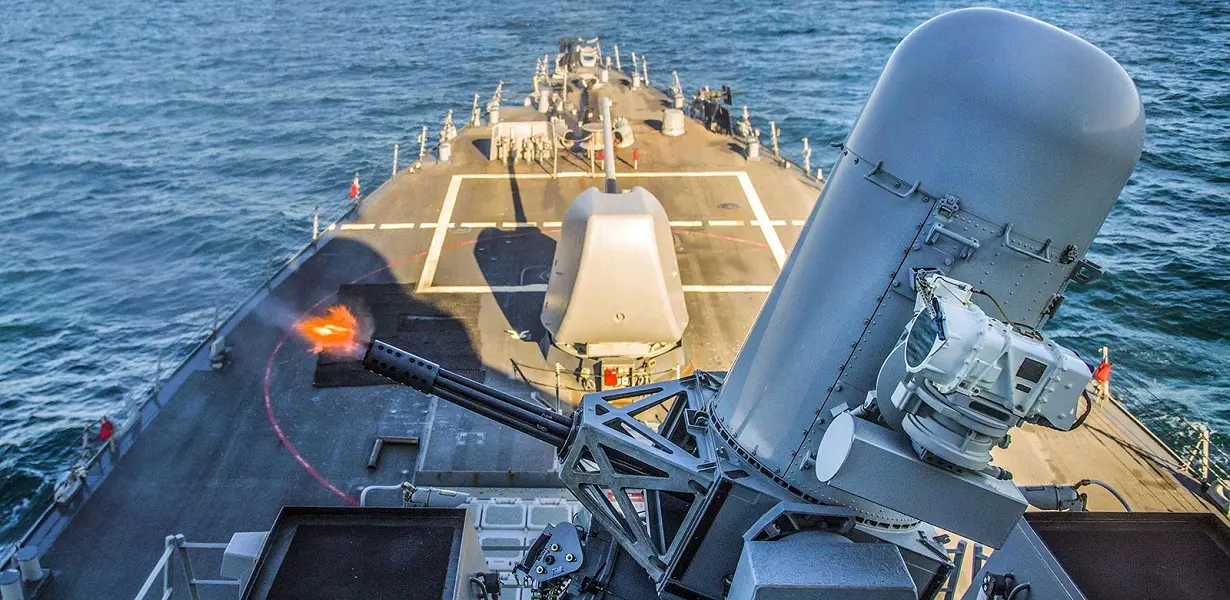
The United States’ State Department approved a possible Foreign Military Sale (FMS) to the Republic of Korea (ROK) of two Phalanx Close-In Weapons Systems (CIWS). These will be fitted aboard the ROK Navy’s first KDX III Batch II Destroyer.

As reported earlier in the Naval News’ Land Based Anti-Ship Missiles (LBASM) article, the U.S. Army has now decided to purchase the U.S. Navy’s Tomahawk
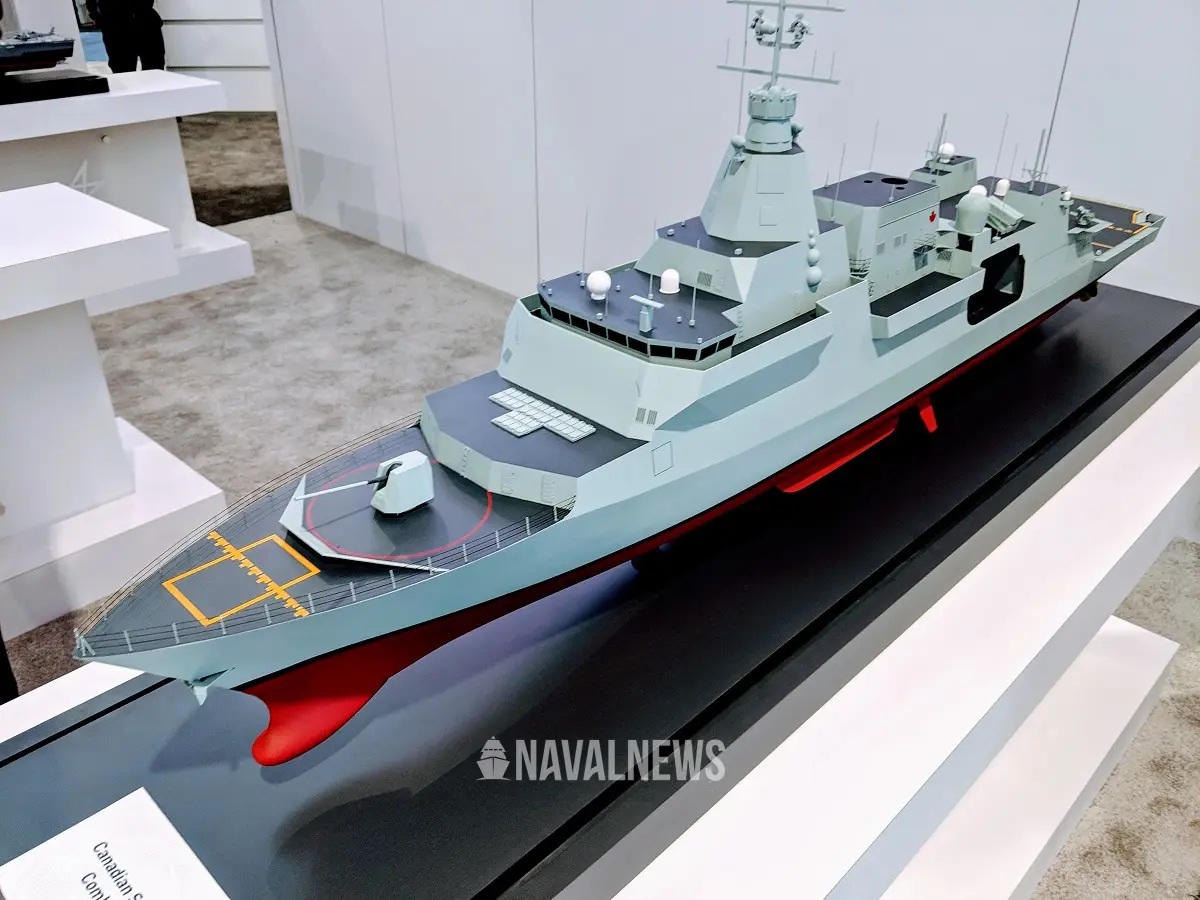
The Royal Canadian Navy (RCN) released the latest details on the configuration of its next generation frigates: the Canadian Surface Combatant (CSC). They will be heavily armed, featuring Naval Strike Missiles, Tomahawk and both ESSM and Sea Ceptor!

Peter Ong reports on the Land-Based Anti-Ship Missile (LBASM) options on the table for the USMC and US Army ground forces to use against threatening enemy ships, with the latest from Virtual Modern Day Marine Expo 2020.
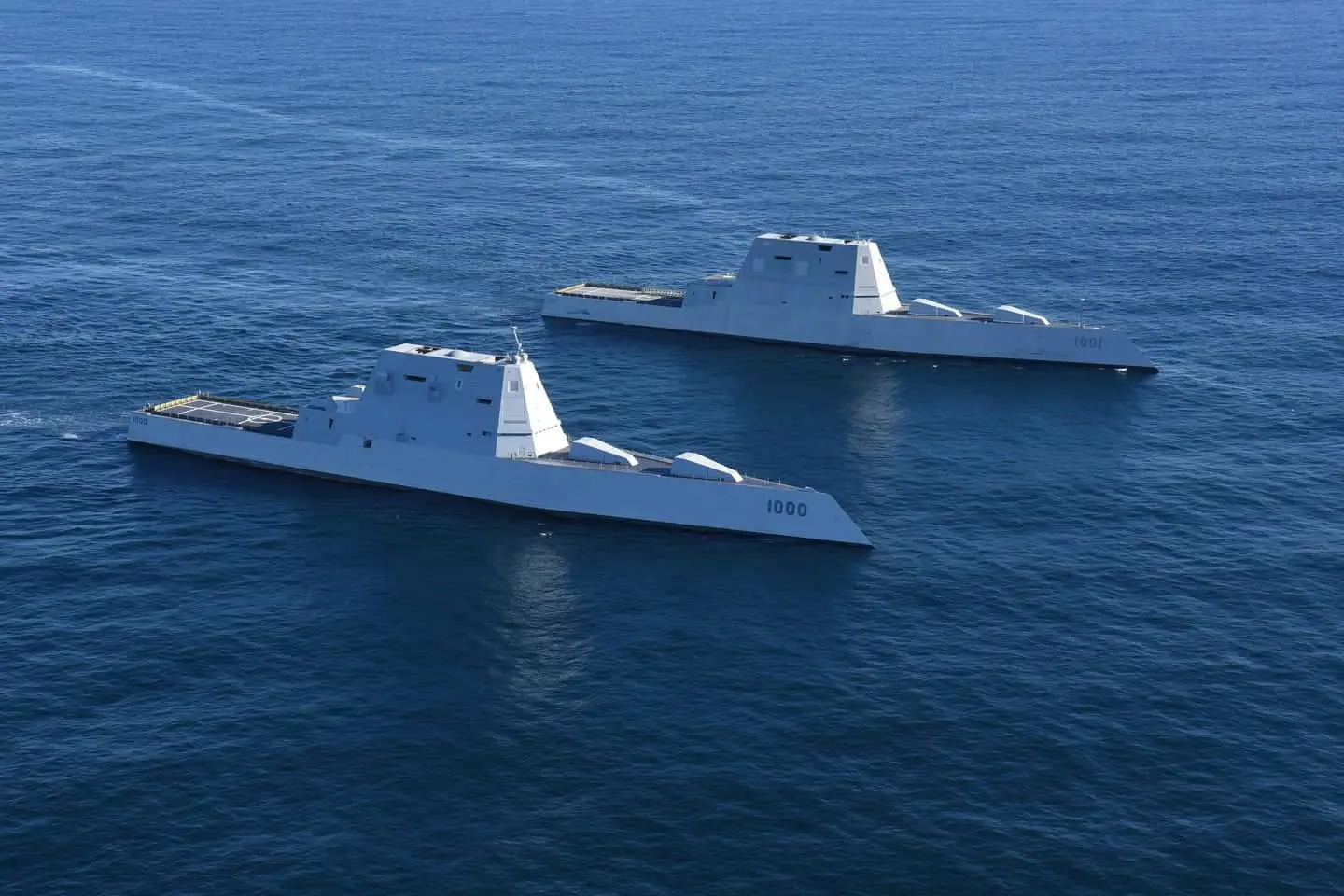
In truth, many view the three Zumwalts as expensive U.S. Navy design failures since their two currently inactive 155mm Advanced Gun Systems (AGS) cannot fire

According to pictures released on social media, the Japan Maritime Self-Defense Force (JMSDF)’s Final Aegis destroyer, JS Haguro, left Yokohama on June 23 to start its initial sea trials.

The Japanese Ministry of Defense (MOD) announced this week its intention to halt deployment of the Aegis Ashore missile defense system citing difficulties in ensuring that rocket boosters from the interceptors do not fall in populated areas. The real reason may actually have to do with the radar system, namely SPY-6 and SPY-7. Yoshihiro Inaba has the story.

According to a document released by the Japan Maritime Self-Defense Force (JMSDF), the Guided Missile Destroyer JS Maya (DDG-179)「まや」 and her crew will undergo a “capability test”.
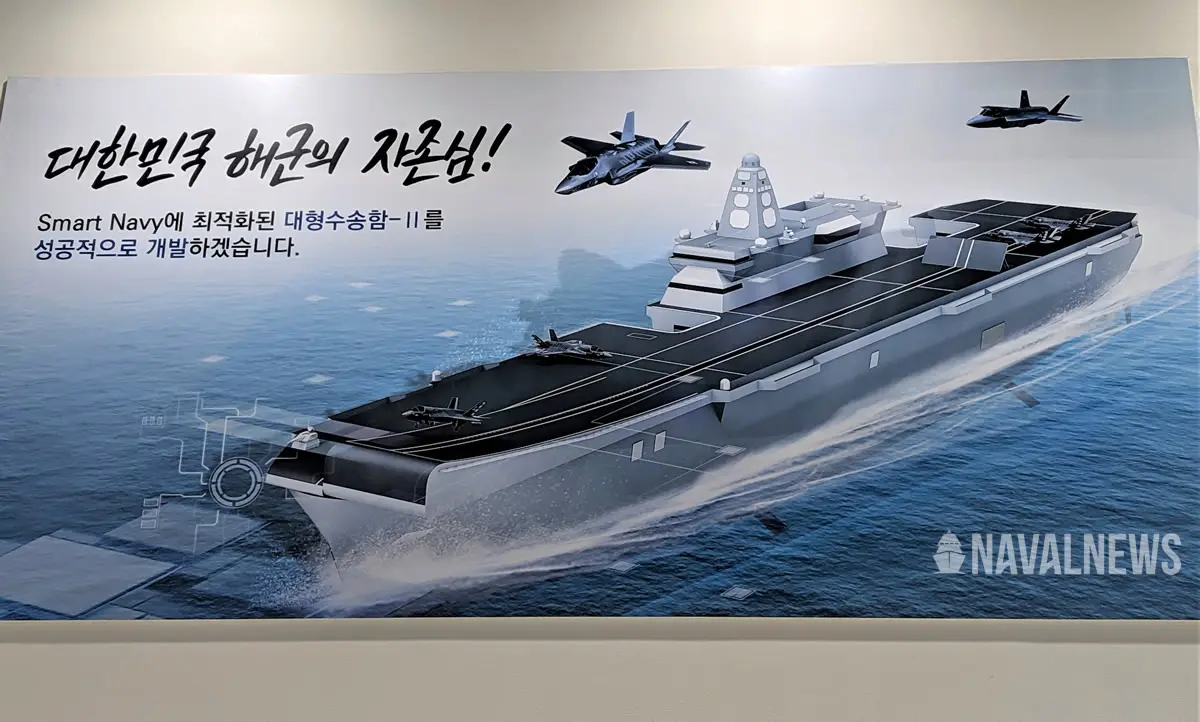
Despite the COVID-19 crisis, South Korea’s defense budget remains mostly unaffected. Budget reductions in the “2020-2024 mid-term defense acquisition plan” will be limited to programs deemed as “non essential” and to a limited number of foreign procurement programs.