U.S. and allied forces sank two warships off Hawaii during RIMPAC 2026 sinking exercise (SINKEX), showcasing joint HIMARS, Type 12, LRASM, and submarine-launched Harpoon strikes.
The U.S. and its allies sunk two ships off Hawaii this month for the culminating sinking exercise of Exercise Rim of the Pacific 2026.
30,000 personnel are operating across 30 vessels, five submarines and 15 ground force components in this year’s iteration of the drills. While RIMPAC began in June, live-fires and more intensive training activities are ramping up as the at-sea phase of the exercise intensifies.
In recent iterations, the U.S. has involved more technologies and capabilities designed to counter China at the multilateral naval drills. American armed service branches have used RIMPAC to debut and showcase new maritime strike systems in a combined joint operating environment. Allied and partner nations, such as Japan, Australia, the Philippines and South Korea, have also used the drills to conduct live-fires.
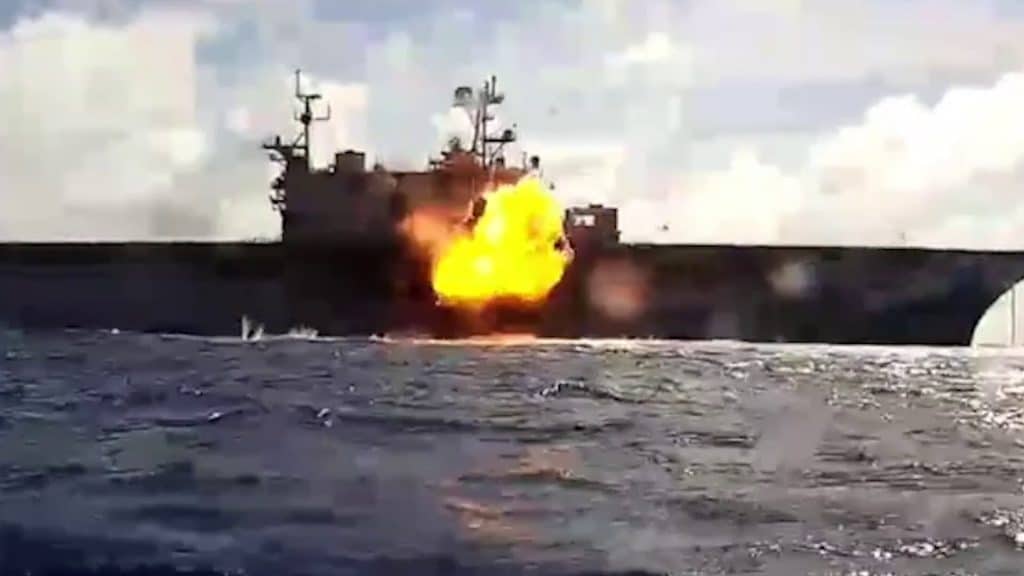
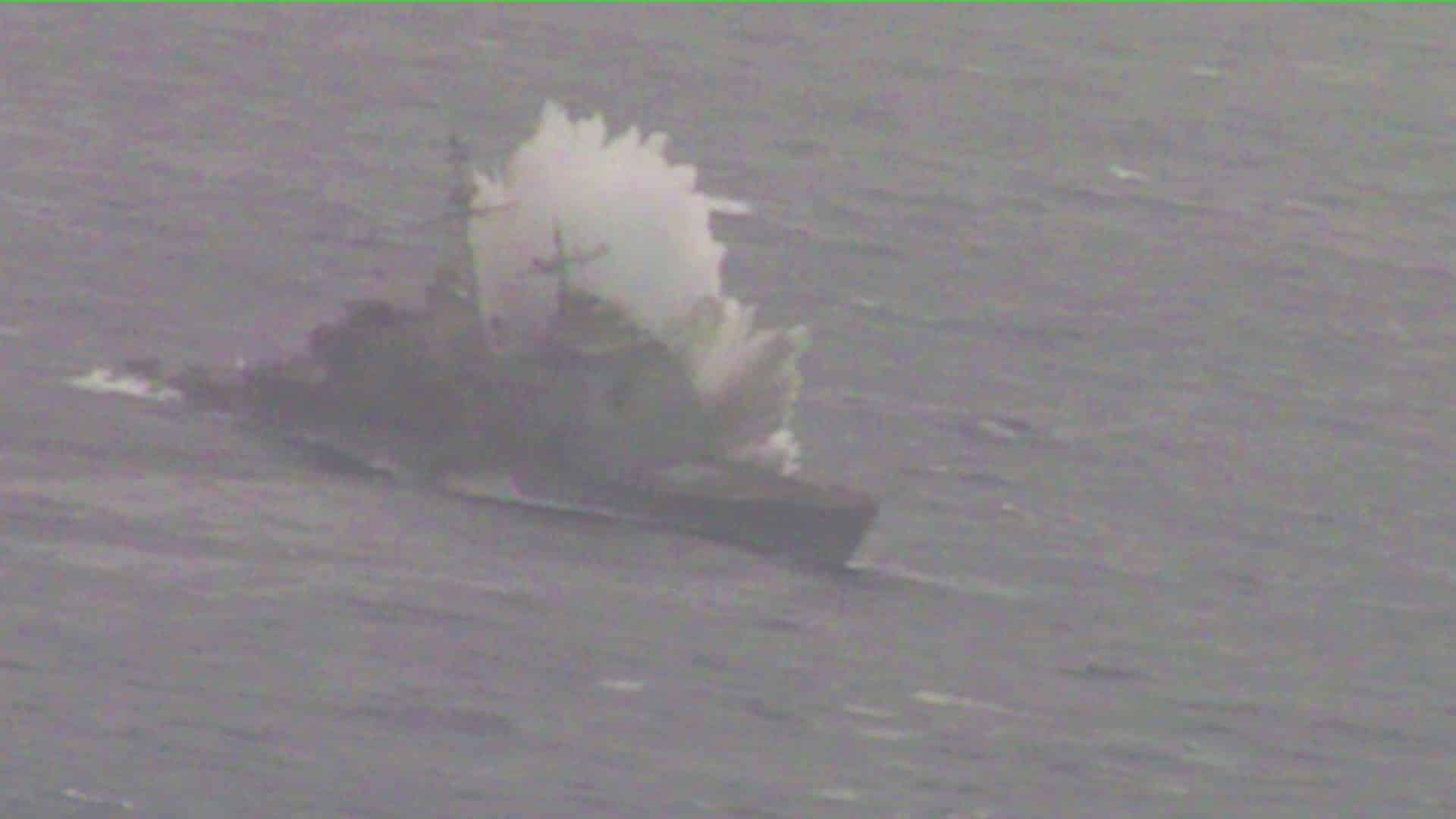
RIMPAC drills culminate with a SINKEX that allows participating nations to showcase their new maritime strike weaponry through American-provided targets and kill chain networks. For this year’s line-up, participants sank the decommissioned amphibious assault ship USS Peleliu (LHA-5) and guided-missile cruiser USS Mobile Bay (CG-53).
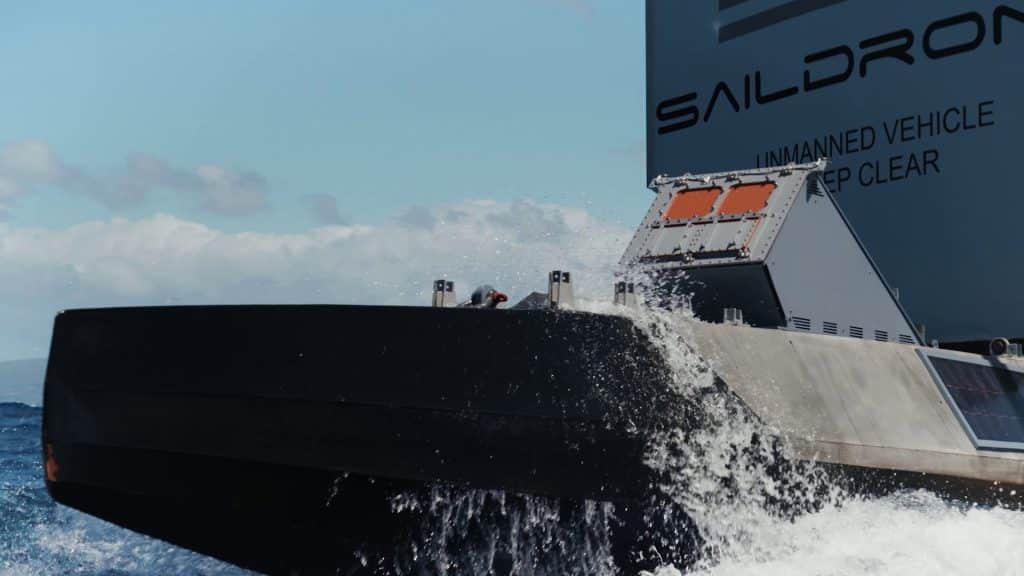
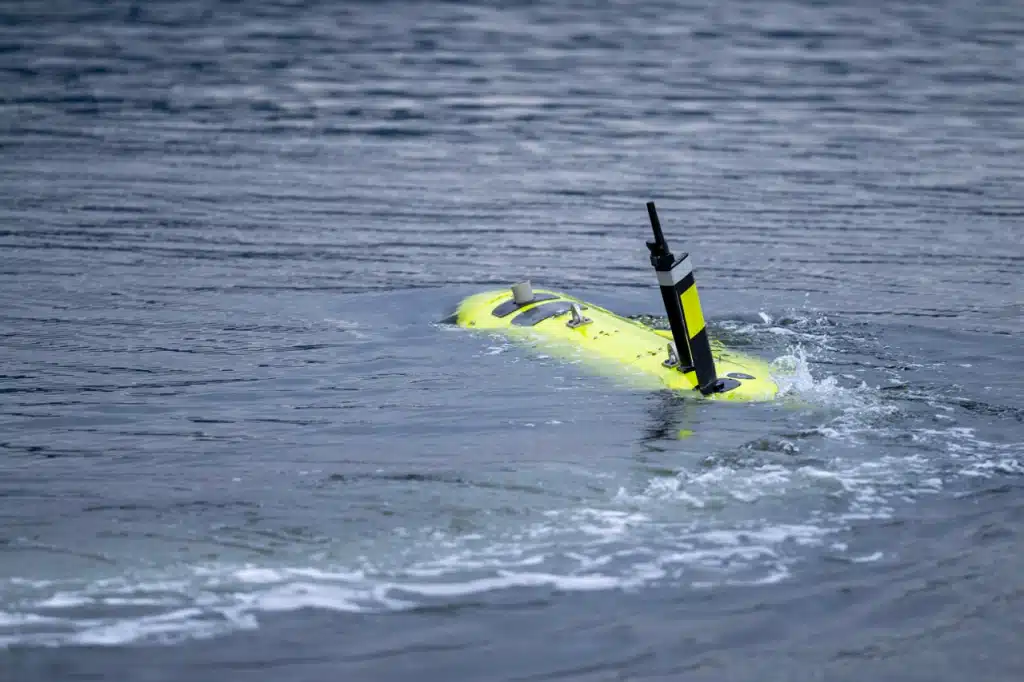
Media from the Pentagon and respective participating nations have revealed the extent of long-range strike munitions, air defense systems and unmanned surface vessels that have been deployed for RIMPAC 2026.
Maritime Strike and Air Defense at RIMPAC
Over the weekend, U.S. and Japanese ground branches coordinated joint targeting and firing against an unspecified maritime target off Hawaii. Soldiers from the 1st Battalion, 623rd Field Artillery Regiment of the Kentucky Army National Guard fired their M142 High Mobility Rocket Artillery System. The Japanese missileers salvoed their Type 12 surface-to-ship missile system, which has become a hallmark in many of Tokyo’s maritime strike activities with its partners.
Washington and Tokyo are heavily investing into expanding the capabilities of these two systems in a bid to bolster ground-based maritime strike fires to counter China in a potential conflict. The U.S. Army wants to field munitions capable of striking ships at extended ranges that can be fired from HIMARS. Proof of concept deployments via landing craft and transport aircraft onto remote islands across the first island chain by the ground branch and the U.S. Marine Corps have preceded the deployment of envisioned ship sinking munitions.
In Japan, improved Type 12s were recently introduced to the JGSDF and batteries of the SSMs will be fully operational along the Ryukyu Islands near Taiwan.
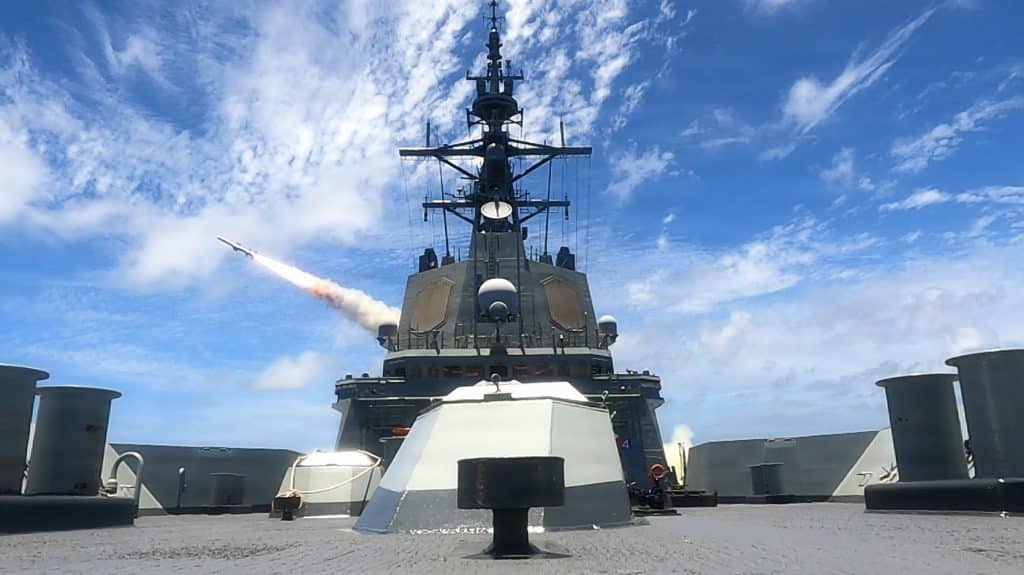
Offshore, the Spanish Navy frigate ESPS Alvaro De Bazan (F101) fired a AGM-84 Harpoon at Peleliu. Additional Harpoons were deployed from American nuclear attack submarines.
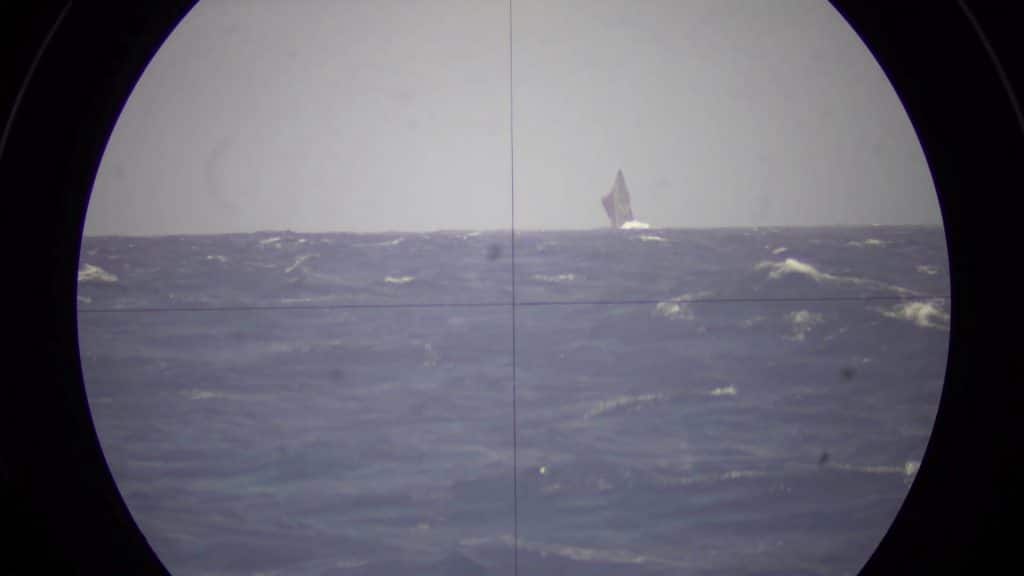
The Los Angeles-class loaded at least one UGM-84 missile for the SINKEX. These Cold War-era encapsulated anti-ship missiles were brought back during RIMPAC 2018 amid the rise of the Chinese Navy in the late 2010s.
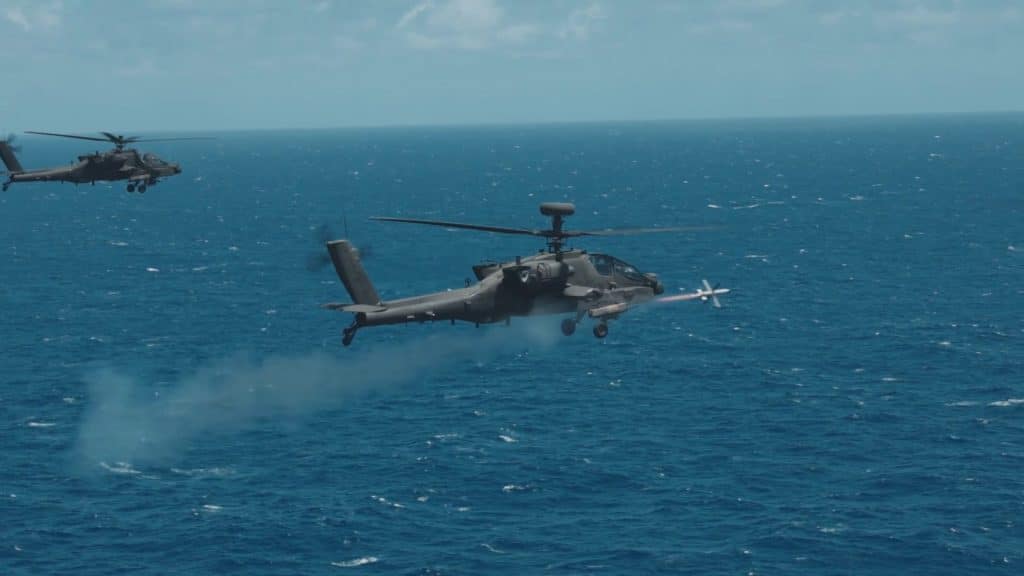
At least one AGM-158C Long-Range Anti-Ship Missile was fired by an American Super Hornet. U.S. Army, U.S. Navy and Royal New Zealand Navy helicopters also salvoed missiles against the target hulks.