Future USS Jack H. Lucas starts combat system testing with SPY-6 radar onboard
Raytheon Missiles & Defense’s SPY-6 Air and Missile Defense Radar attained another milestone when the future USS Jack H. Lucas achieved “light off”…
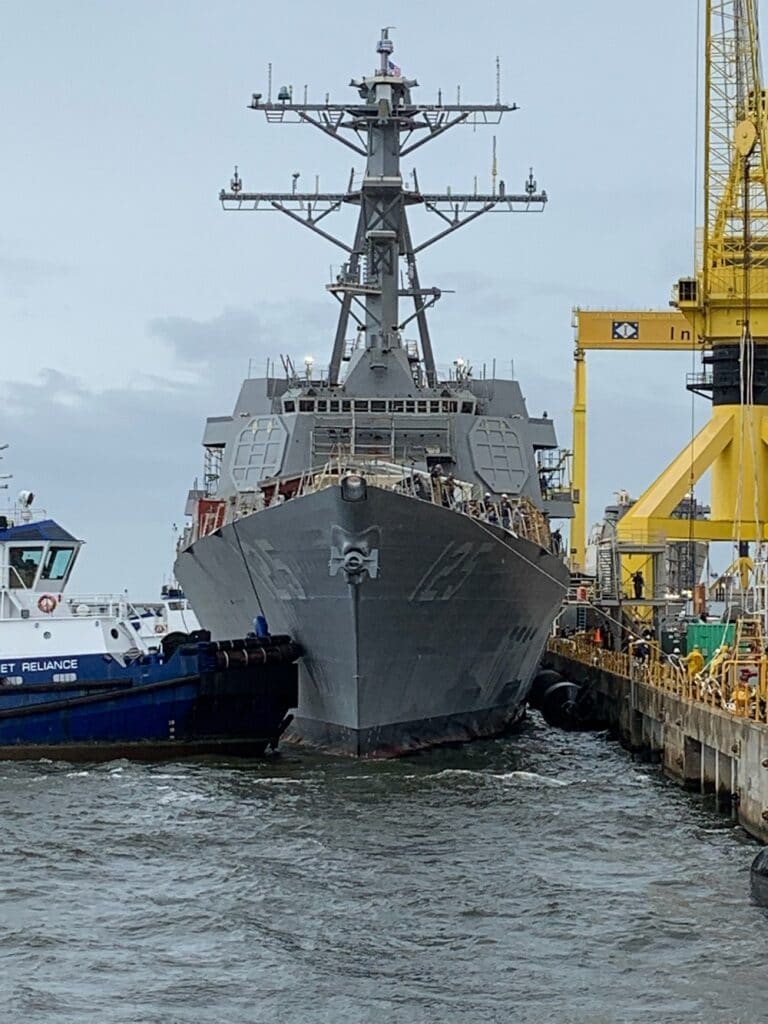
The U.S. Navy’s first DDG-51 Flight III destroyer, the future USS Jack H Lucas (DDG-125) has achieved “light off” on its AEGIS Combat System. This marks the beginning of on-board system testing and crew training for the ship and its AN/SPY-6(V)1 Air and Missile Defense Radar (AMDR).

Raytheon in partnership with the Office of Naval Research (ONR) completed successful demonstrations of the Network Cooperative Radar program…

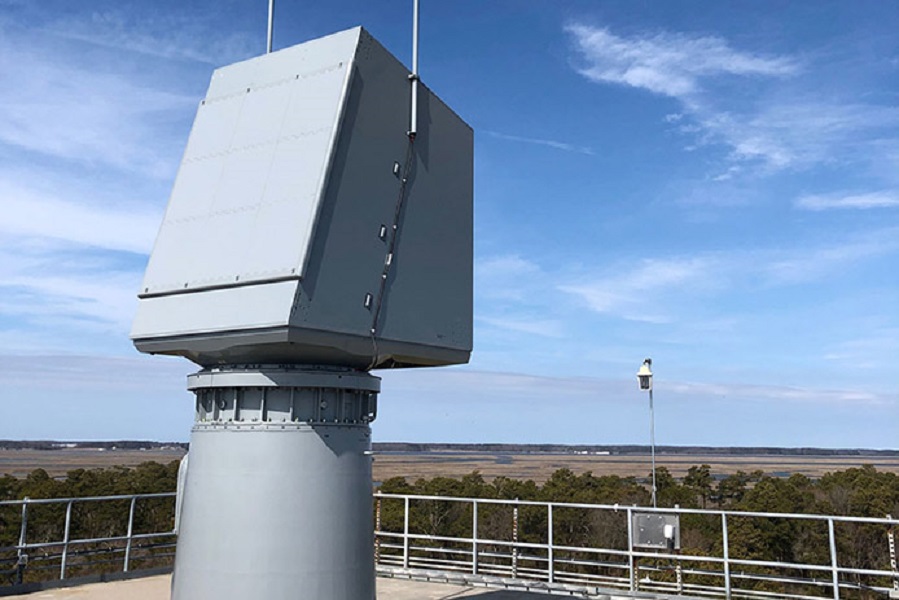
The U.S. Navy and Raytheon Missiles & Defense, a Raytheon Technologies business, completed a series of tests on the Enterprise Air Surveillance Radar at the Navy’s Wallops Island Test Facility in Virginia.
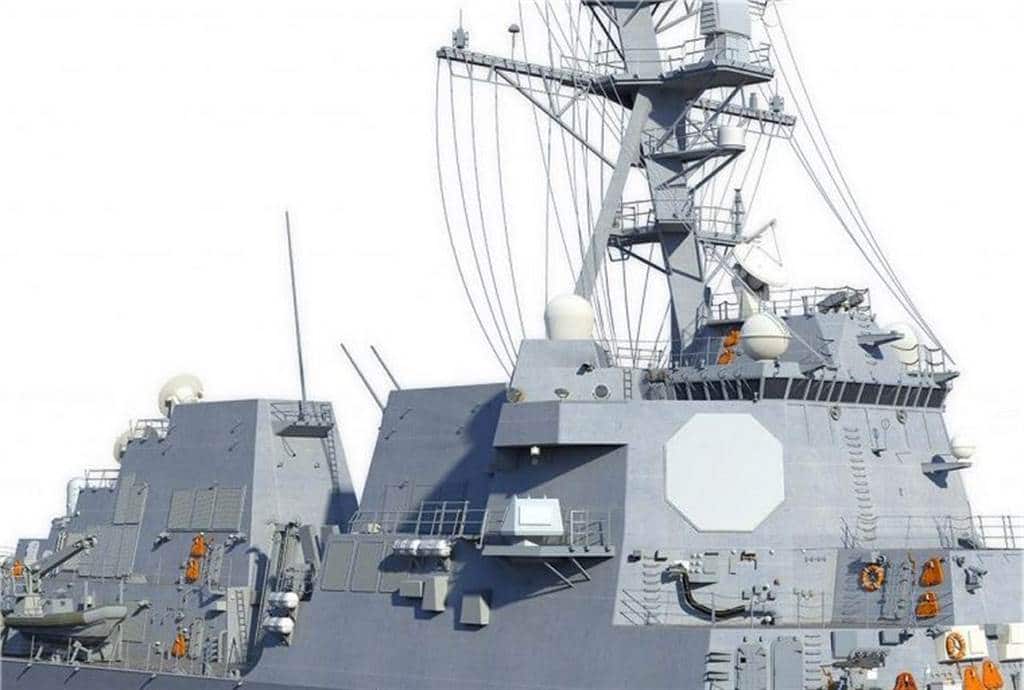
Raytheon Missiles & Defense, a Raytheon Technologies business, is working with shipbuilder Huntington Ingalls Industries in Pascagoula, Mississippi, to integrate four SPY-6 radar arrays onto the USS Jack H. Lucas (DDG-125). The ship is the first in a class of guided missile destroyers known as Flight III.
The Japanese government announced in December 2020 a plan to procure two “Aegis System-equipped ships” for the Japan Maritime Self-Defense Force (JMSDF)…

Installation of the U.S. Navy’s AN/SPY-6(V)1 radar has begun on the service’s new Aegis Flight III guided-missile destroyer, the future USS Jack H. Lucas (DDG 125).
On August 4, 2020, Japanese Prime Minister Shinzo Abe received the recommendations report of the “Missile Defense Study Team” of the Liberal Democratic Party (LDP) which is Japan’s ruling party.

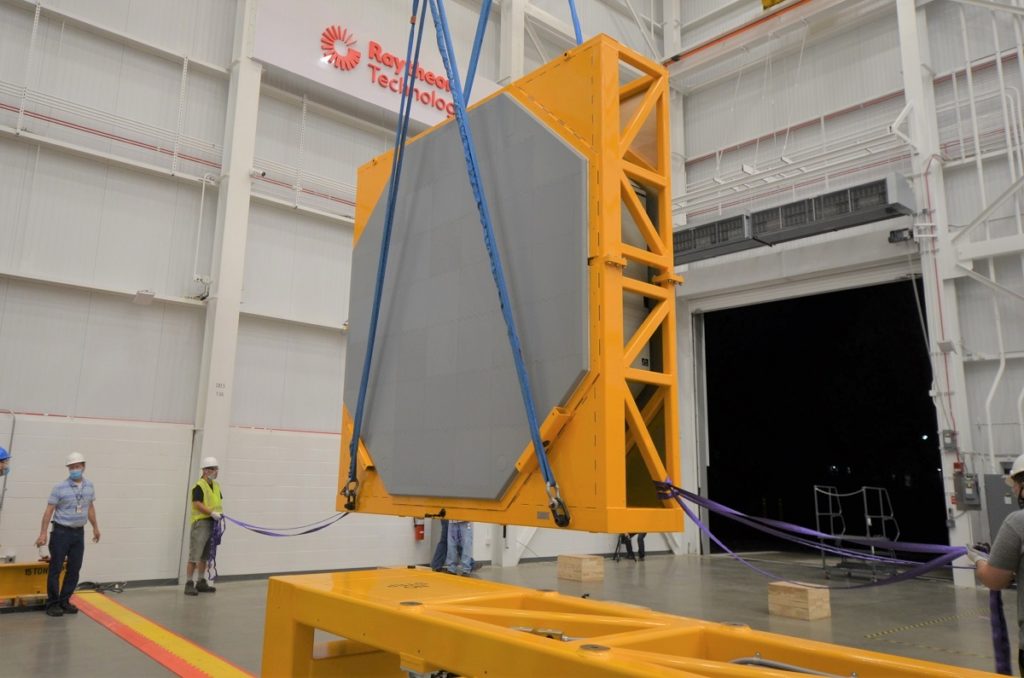
Raytheon Missiles & Defense delivered the first AN/SPY-6(V)1 radar array for installation on the future USS Jack H. Lucas (DDG 125), the U.S. Navy’s first Flight III guided-missile destroyer.

The Japanese Ministry of Defense (MOD) announced this week its intention to halt deployment of the Aegis Ashore missile defense system citing difficulties in ensuring that rocket boosters from the interceptors do not fall in populated areas. The real reason may actually have to do with the radar system, namely SPY-6 and SPY-7. Yoshihiro Inaba has the story.