U.S. Navy and General Dynamics are converting the future USS Baltimore into an elite seabed warfare submarine to succeed the USS Jimmy Carter.
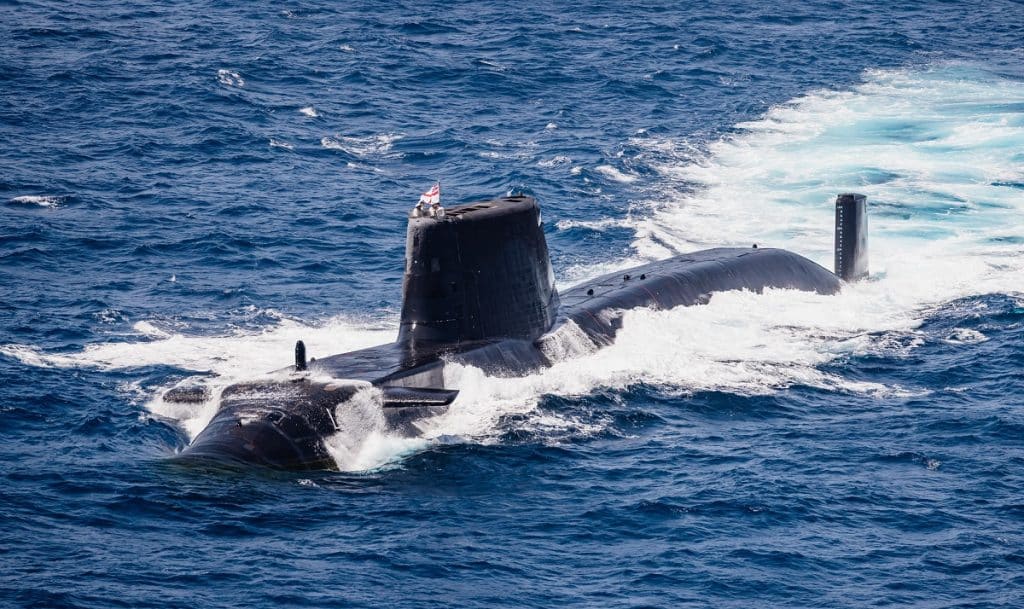
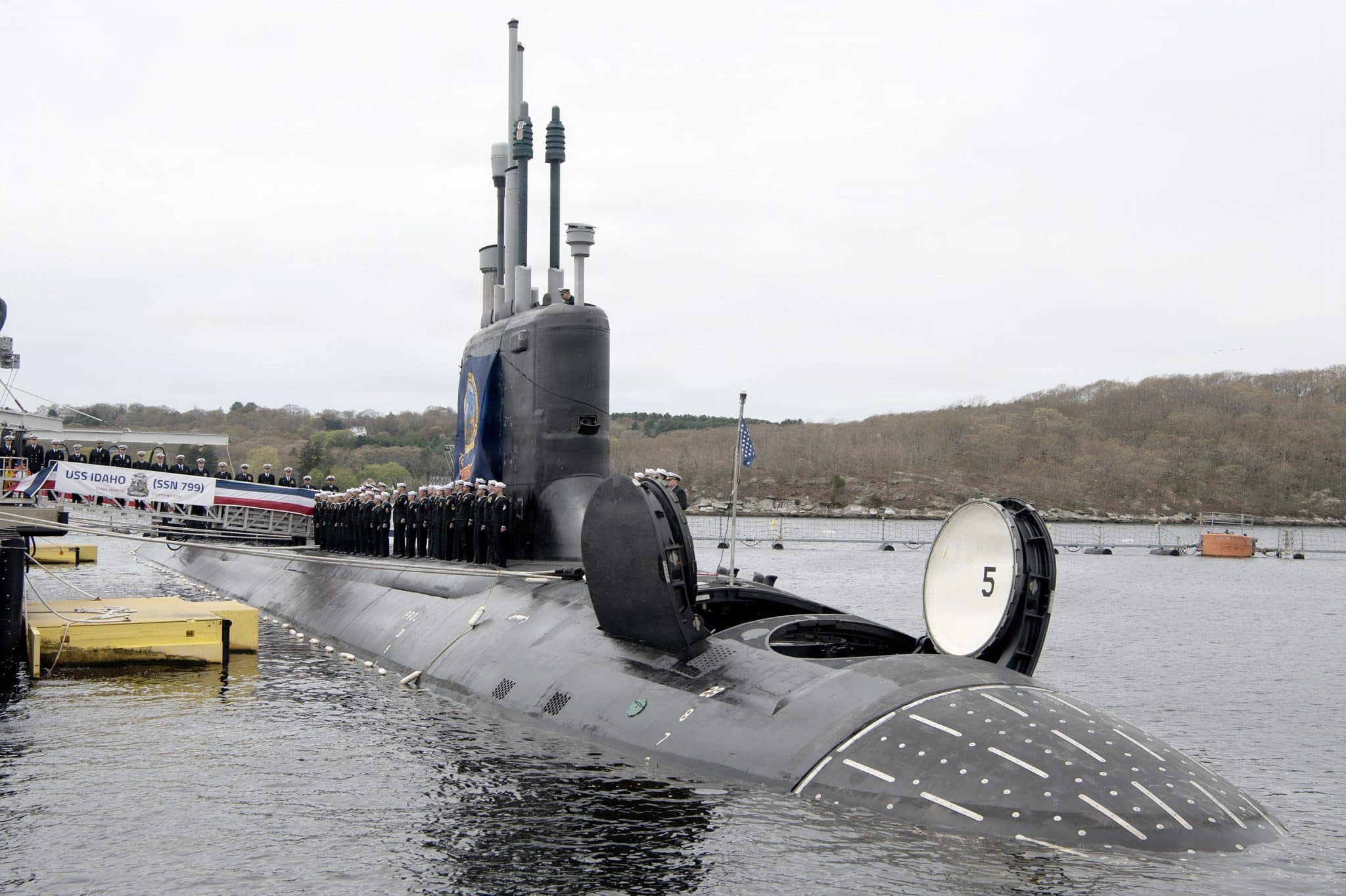
The U.S. Navy and industry teams at General Dynamics Electric Boat are planning sweeping changes to its penultimate Block V Virginia-class fast attack submarine, the future USS Baltimore (SSN 812), with an ultimate goal of converting the submarine into a special operations, special warfare, and seabed manipulation attack submarine capable of fulfilling missions currently carried out by the USS Jimmy Carter (SSN 23).
Recent job openings searching for systems engineering test leads at General Dynamics Electric Boat in Groton, Connecticut confirm the U.S. Navy’s plans. Additional confirming details — previously unreported — date back over a year.
“The largely unexplored seafloor is the latest battle space. This challenging environment is where the SSN 812 Subsea and Seabed Warfare (SSW) platform will take the stage,” one job posting from Electric Boat reads, dated August 9. “SSW is a new capability targeted for a single, late-Block-V Virginia Class submarine. It is a complex, fast-moving program with strong Navy and Congressional support.”
U.S. Navy budgets dating back to 2025 also confirm the future Baltimore‘s role in taking the mantle from Jimmy Carter. Research and development budgets released in June 2025 looked to “[i]nitiate SSN 812 Subsea Seabed Warfare platform unique [Non-Propulsion Electronics System] integration and test plans,” with budgets for Fiscal Year 2027 released in April 2026 continuing those efforts. Total work on the SSW payload dates back beyond 2022, both in Virginia-class and SSN(X) development.
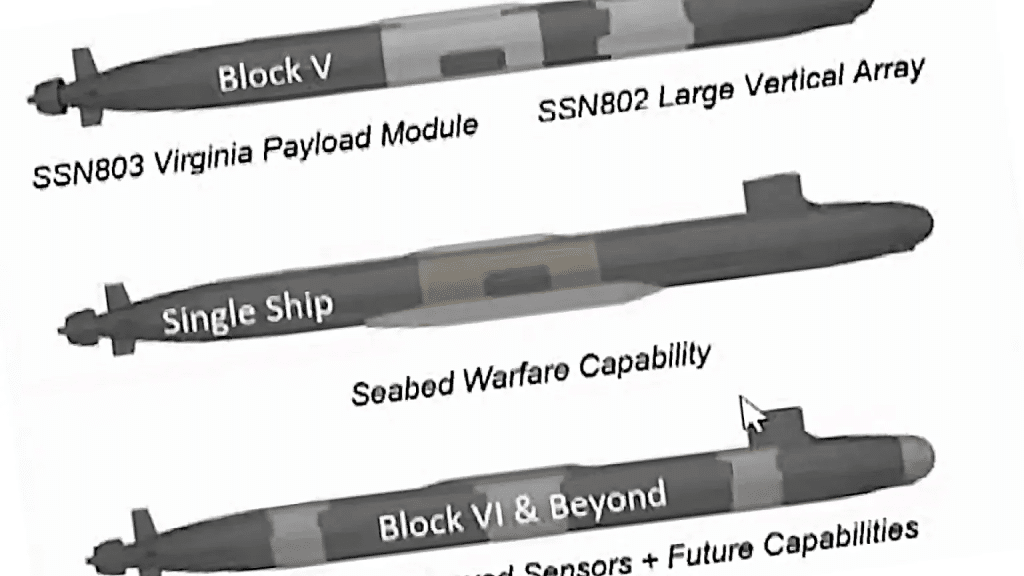
The War Zone has covered the future SSW variant heavily since its original unveiling in 2023 by then-General Dynamics president Kevin Graney, outlining the purpose and possibilities of a modified Virginia-class attack submarine, with additional follow-on reporting confirming the existence of an ongoing SSW construction for a late Block V variant.
Development of an SSW attack submarine aligns with the U.S. Navy’s strategy of “seabed superiority“, a topic Commander, Submarine Forces Vice Admiral Richard Seif made mention of at Combined Naval Event 2026 in Europe earlier this year. Naval News covered Seif’s comments on the show floor during the event.
“Today, as we’re talking, we are deploying seabed warfare capability. This is for survey. This is for attribution. This is for the full spectrum of operations, both defensive and offensive,” Vice Adm. Seif said during his presentation on asymmetric advantages in subsea warfare. “On defensive and offensive seabed warfare capability, this really, really is a growth area and something we’re really moving out on. On the offensive side, it’s the ability to dominate and have what I call ‘seabed superiority’.”

While Block V boats are defined primarily by the incorporation of the Virginia Payload Module (VPM)—which inserts a large mid-body section to increase Tomahawk land-attack missile capacity—dedicating SSN 812 to the Subsea and Seabed Warfare (SSW) mission introduces unique design and operational trade-offs. Tailoring a hull for specialized deep-sea engineering, saturation diving accommodations, tethered vehicle operations, and specialized Non-Propulsion Electronics System (NPES) architectures likely requires significant internal modifications. Whether these changes necessitate a reconfigured or partially sacrificed VPM volume, the tradeoff underscores the Navy’s acute prioritization: the absolute necessity to protect critical undersea infrastructure (CUI) and contest adversary seabed dominance takes precedence over standard multi-mission strike capacity for at least this single hull, ensuring the fleet retains a dedicated national-asset capability as the aging Jimmy Carter eventually nears the end of its operational lifecycle.