News
Sealartec Demonstrates Autonomous Launch & Recovery System for USV
Sealartec, an innovative technology startup company has conducted full sea trials for its ground-breaking robotic launch and recovery system.



Sealartec, an innovative technology startup company has conducted full sea trials for its ground-breaking robotic launch and recovery system.
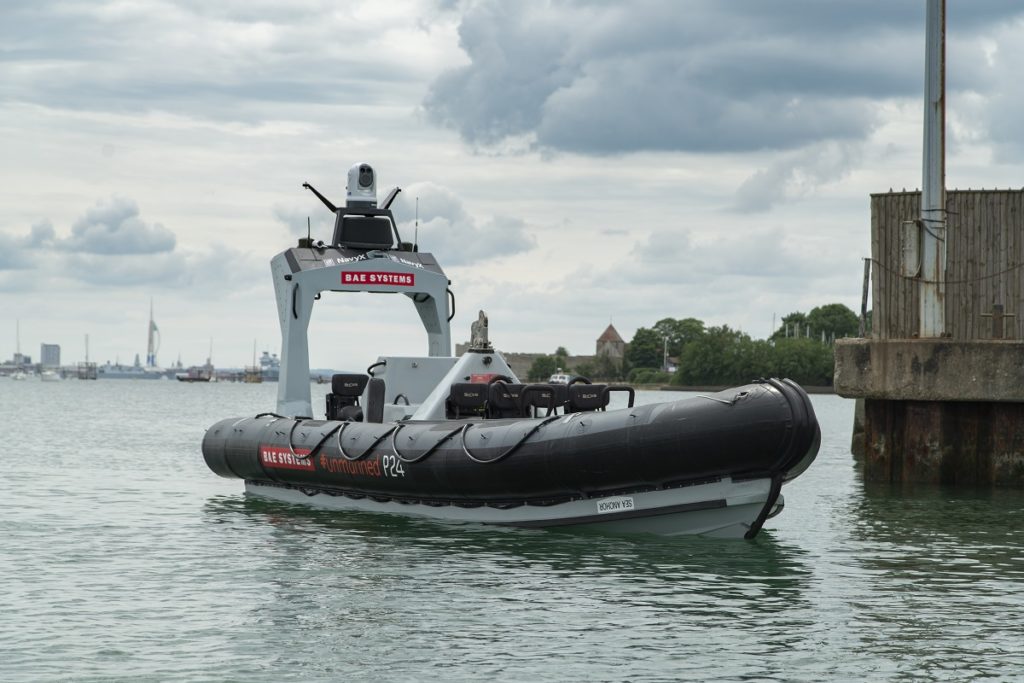
The first crewless Pacific 24 unmanned surface vessel (USV) for general duties with the Royal Navy has been launched, ready for trials to see how it – and similar craft – might fit into the ‘fleet of tomorrow’.
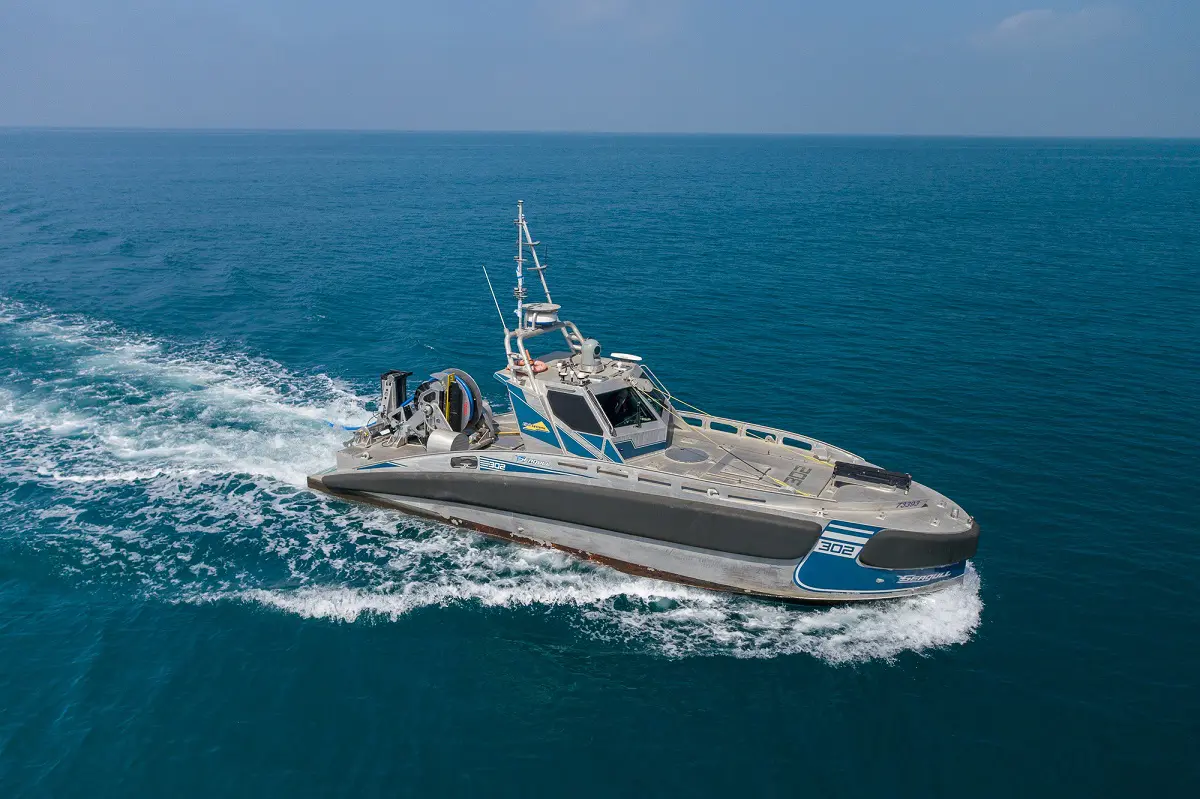
Elbit Systems UK completed a series of Anti-Submarine Warfare (ASW) trials with the UK MoD.

Ghost Fleet Overlord test vessels continue to inform and accelerate the U.S. Navy’s Large and Medium Unmanned Surface Vessel (USV) programs

The Naval Sea Systems Command (NAVSEA) Program Executive Office Integrated Warfare System (PEO IWS) has issued a request for proposal (RFP) for the Littoral Combat Ship (LCS) lethality and survivability upgrades and the Large Unmanned Surface Vehicle (LUSV) combat system.
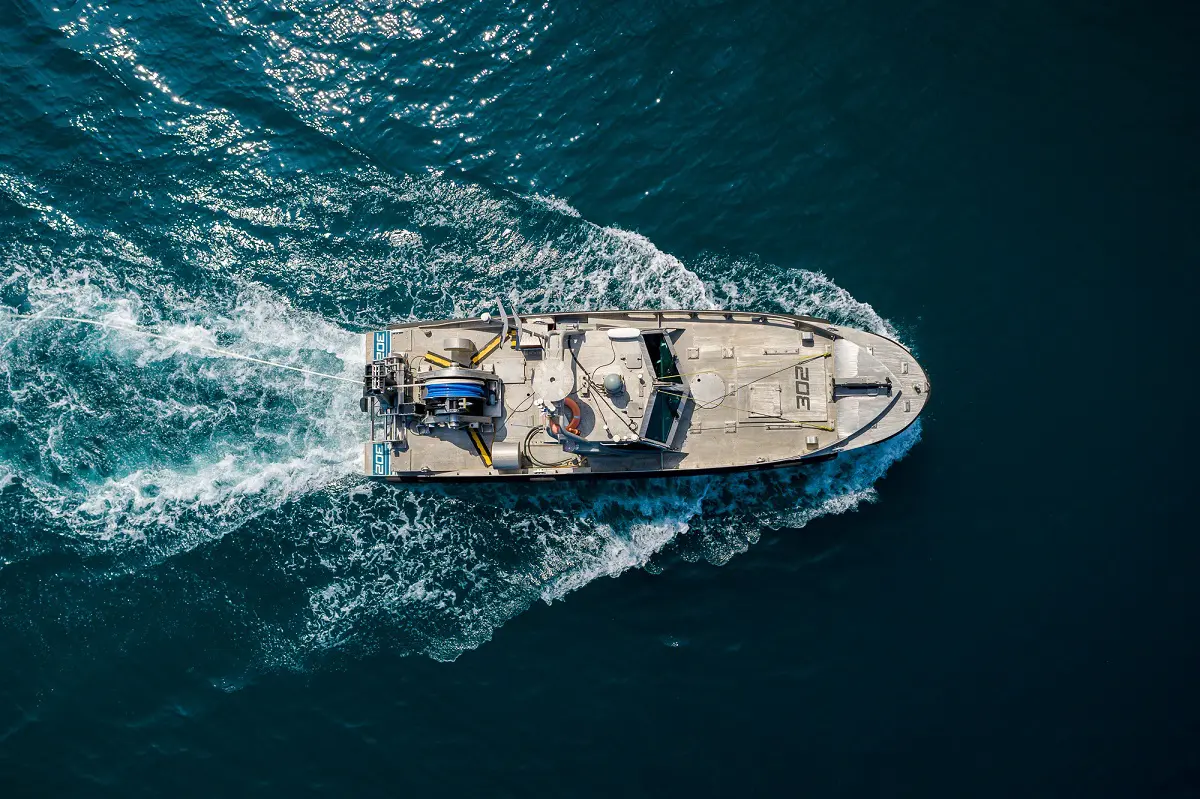
Elbit Systems Ltd. announced today the successful integration of the Towed Reelable Active Passive Sonar (TRAPS) for Unmanned Surface Vessels (TRAPS-USV) onboard the Company’s Seagull USV. The sea trials included multiple deployment and recovery cycles, towing at different speeds and transmission at various power levels.

GeoSpectrum Technologies announces the debut of a new and compact version of its Towed Reelable Active Passive Sonar (TRAPS) suitable for Unmanned Surface Vessels (USVs).

The Russian Navy’s search-and-rescue service is planned to receive 14 more Marlin-350 remote-controlled unmanned submersible vehicles before the end of 2020, the Defense Ministry’s press office said.

Sredne-Nevsky Shipyard of the United Shipbuilding Corporation (USC) began producing hull elements of unmanned surface vessels. They are produced on orders of St. Petersburg Polytechnic University, the USC said.

The US Coast Guard (USCG) Research and Development Center (RDC) is moving forward with plans to assess low-cost, commercially available autonomous solutions to improve maritime domain awareness in remote regions of the Pacific Ocean.